
AI Takes Centre Stage as Rural and Tribal Transport Safety Webinar Explores New Technology

Published
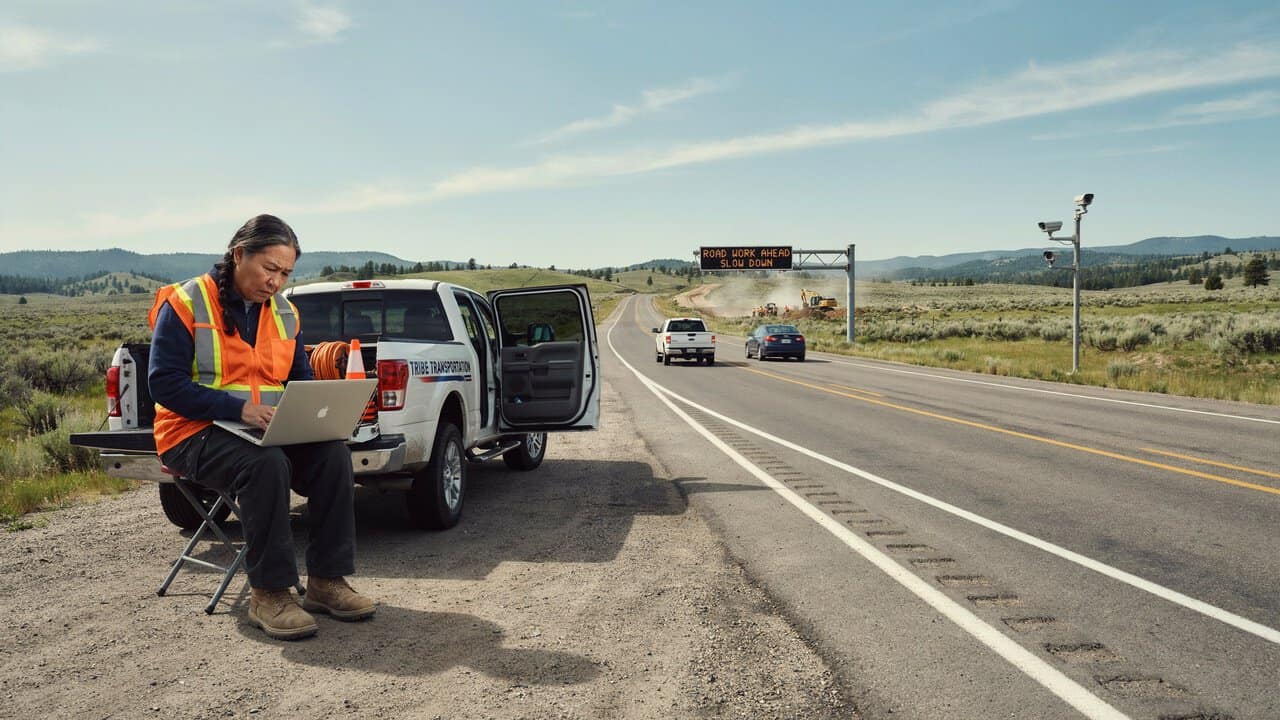
AI is reshaping rural and Tribal transportation safety. A free webinar will show how artificial intelligence can detect risks, monitor roads, issue alerts and support safer construction across the United States.
Artificial intelligence is moving deeper into rural and Tribal transportation safety, creating new ways to identify risks and respond to changing road conditions. The upcoming free webinar, Incorporating Artificial Intelligence (AI) into Rural and Tribal Transportation Safety, will examine practical applications already being explored by transportation agencies.
Wyoming DOT will discuss AI for detecting behavioural safety risks, including speeding and distracted driving. Meanwhile, the Yakama Nation will demonstrate how AI can monitor traffic and road conditions, identify safety events and send real-time alerts. Iowa DOT will also examine AI applications in construction, showing how technology can support safer and more responsive transportation operations.
What Will the Rural and Tribal Transportation Safety Webinar Cover?
The National Center for Rural Road Safety and NLTAPA Safety Work Group are co-hosting the free 1.5-hour online webinar on Thursday, 24 September 2026.
Advertisement
Advertisement
The session will focus on practical applications of artificial intelligence rather than treating AI as a purely theoretical technology. Participants will explore how data-driven systems can assist transportation professionals with identifying hazards, monitoring road networks and improving responses to emerging safety concerns.
The webinar is scheduled from 11:00 am to 12:30 pm Mountain Time, corresponding to 1:00 pm to 2:30 pm Eastern Time.
Advertisement
Advertisement
For rural and Tribal communities, these technologies could be particularly relevant because transportation networks can cover large geographical areas and require continuous monitoring.
How Can AI Detect Speeding and Distracted Driving?
Wyoming DOT will highlight the use of AI to identify behavioural safety risks, including speeding and distracted driving.
Advertisement
Advertisement
Driver behaviour remains an important component of road safety, and artificial intelligence can process transportation data to identify patterns that may otherwise be difficult to detect manually. Such systems can potentially help agencies understand where and when risky behaviour is occurring.
The Wyoming DOT example will provide participants with insight into how AI can be incorporated into transportation safety work to identify behavioural risks. The focus is on using technology as an additional analytical resource for transportation professionals, rather than replacing conventional safety practices.
How Will the Yakama Nation Use AI for Road Monitoring?
The Yakama Nation will showcase AI applications for monitoring traffic and road conditions, identifying safety events and distributing real-time alerts.
The proposed system can support transportation professionals by bringing together information about road and traffic conditions and identifying events that may require attention. Alerts can then be delivered through multiple channels, including email, text messages and variable message signs.
Advertisement
Advertisement
This approach illustrates how AI could connect detection with communication. For rural and Tribal transportation networks, faster access to information can help professionals respond to changing conditions while also providing road users with timely safety information.
What Role Can AI Play in Transportation Construction?
Iowa DOT will demonstrate an application of AI in construction, extending the technology beyond traffic monitoring and driver behaviour.
Construction environments can involve changing road layouts, equipment, workers and temporary traffic-management arrangements. AI-based systems may provide additional tools for analysing information and supporting transportation professionals working in these environments.
The Iowa DOT example will form part of the webinar’s wider examination of practical AI applications. By bringing together examples from Wyoming, the Yakama Nation and Iowa, the session will demonstrate that artificial intelligence can be applied across different areas of transportation safety.
Why Does AI Matter for Rural and Tribal Transportation?
AI can provide transportation agencies with another method of processing large amounts of information and identifying potentially significant events. This could become increasingly useful as agencies seek more responsive approaches to road monitoring, behavioural safety and construction management.
The webinar also provides an opportunity to examine AI from an operational perspective. Instead of focusing solely on the technology itself, the examples will show how transportation organisations are exploring its use in real-world safety environments.
Advertisement
Advertisement
For rural and Tribal communities, the discussion is particularly relevant because technology can help transportation professionals monitor wider networks and communicate safety information efficiently. The webinar therefore offers a practical look at how emerging digital tools could complement established transportation safety programmes.
“Artificial intelligence is opening an important new chapter for rural and Tribal transportation safety. The examples from Wyoming DOT, the Yakama Nation and Iowa DOT demonstrate how technology can move beyond theory and support practical safety operations. From detecting speeding and distracted driving to monitoring road conditions, delivering real-time alerts and improving construction processes, AI can help transportation professionals make better use of available information. This webinar is especially valuable because it brings together different applications and shows how emerging technology can complement established safety practices. Greater understanding of these tools can encourage informed innovation while keeping the focus firmly on safer roads, stronger transportation systems and better outcomes for rural and Tribal communities.” says Anup Kumar Keshan, Editor-on-Chief, TTW.
What Should Participants Take Away?
The webinar offers a focused examination of how artificial intelligence is being explored across rural and Tribal transportation safety. Wyoming DOT will address behavioural risks such as speeding and distracted driving, while the Yakama Nation will examine AI-powered monitoring, event detection and real-time alerts. Iowa DOT will add a construction perspective.
Together, these examples show that AI is not limited to a single transportation function. It can support the detection of risks, analysis of road conditions, communication with road users and construction-related safety work. The free online format also gives transportation professionals an accessible opportunity to learn from different agency experiences.
For organisations considering AI adoption, the webinar provides a useful starting point for understanding where the technology may complement existing safety practices and transportation operations.
Advertisement
