
Detroit Moves Alongside Hamtramck and More Hidden Districts for a Powerful USA Travel Escape

Updated
Published
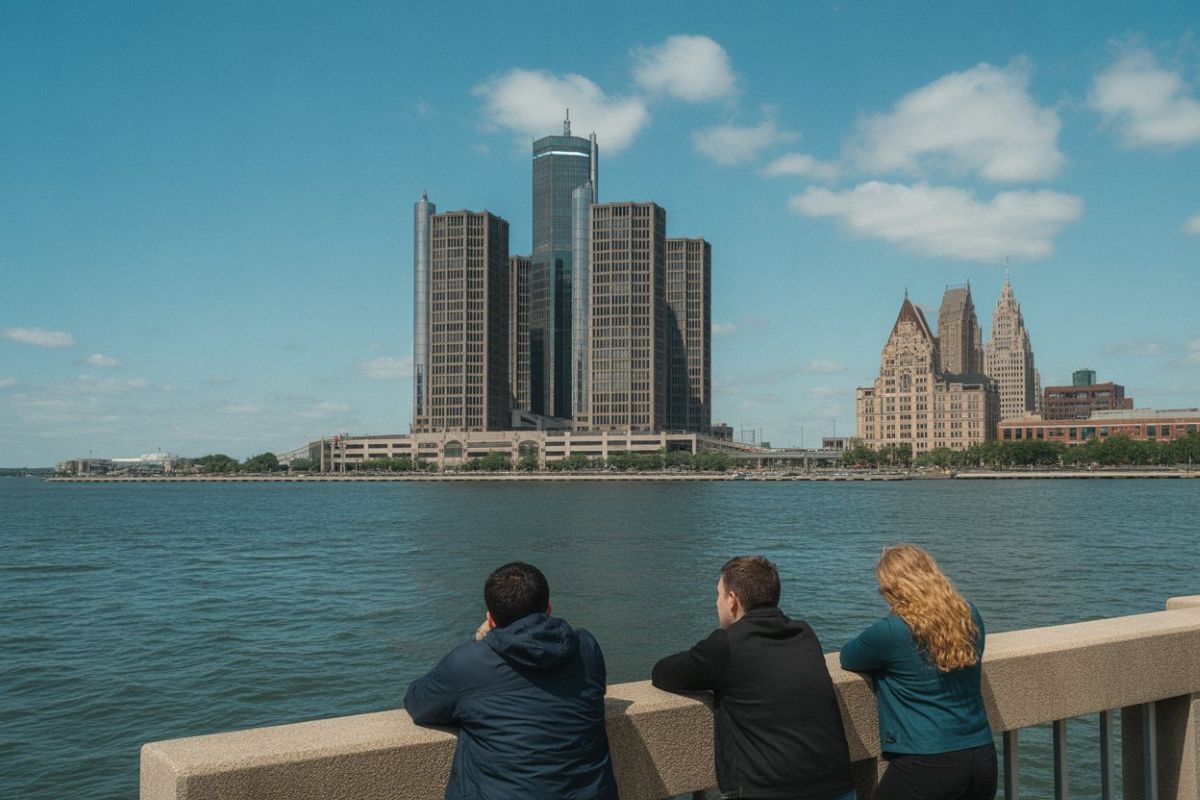
Detroit in the United States is often known for cars, Motown music, major sports and its famous skyline. But beyond these well-known sights, the city has a different story. It is a place of colourful streets, quiet gardens, bold art, historic neighbourhoods and food from across the world. Travellers who look deeper can find a Detroit that feels creative, warm and full of surprise. From the small city of Hamtramck to the wide Detroit River, these lesser-known places show why Detroit is becoming a stronger destination for curious travellers.
Hamtramck Brings Many Worlds Together
Hamtramck is one of Detroit’s most exciting hidden places. It is a separate city surrounded by Detroit. It is small, busy and full of life. The area has a long Polish history. Today, it is also home to Bangladeshi, Yemeni and south-eastern European communities.
This makes Hamtramck a special food destination. Visitors can try Polish baked goods, dumplings, Bangladeshi meals, Yemeni dishes and simple American diner food in a short walk. Joseph Campau Avenue is the main street. It has old shops, bakeries, restaurants and music spaces.
Hamtramck is not built for big tourist crowds. It feels local. That is its strength. It gives travellers a chance to see how many cultures live side by side in Detroit. Summer markets and community festivals add more colour to the experience.
Heidelberg Project Turns a Street Into Art
The Heidelberg Project is one of the most unusual places in Detroit. It sits in the McDougall-Hunt neighbourhood on the city’s east side. Artist Tyree Guyton began the project in 1986. He wanted to respond to abandoned houses, empty land and hardship in his own community.
He used found objects, bright paint, old toys, signs and everyday materials. Houses, trees and streets became part of the artwork. The result is an outdoor art space that feels bold, strange and deeply human.
This is not a polished museum. It is an art project with a message. It asks visitors to think about waste, poverty, hope and change. The Heidelberg Project shows how art can bring attention to a neighbourhood. It also shows Detroit’s ability to create something meaningful from difficult times.
Visitors should walk carefully, respect local homes and avoid blocking driveways. The project is free to visit and gives travellers a very different view of Detroit.
Eastern Market Offers More Than Fresh Food
Eastern Market is one of Detroit’s best-known local districts, but many visitors only see its Saturday market. The larger neighbourhood deserves much more time. It has historic market sheds, murals, small shops, coffee places, record stores, breweries and local makers.
The market area began long ago as a place for hay and wood. Later, it became an important food market. Today, it remains a place where people can buy fresh produce, flowers, meat, cheese and handmade goods.
The district is also one of Detroit’s strongest public art areas. Murals cover many walls. They give the neighbourhood a lively and open feeling. Visitors can spend the morning at the market and then explore nearby streets at a slower pace.
From Eastern Market, travellers can take the Dequindre Cut. This former rail route is now a greenway for walking and cycling. It links the market area with the riverfront. It is a simple but powerful example of how Detroit has changed old industrial spaces into places for people.
Advertisement
Advertisement
Detroit Riverfront Gives the City a New View
The Detroit River is one of the city’s biggest surprises. It gives visitors wide views of Canada across the water. The Riverwalk runs through parks, open spaces and neighbourhoods east of downtown. It is a strong place for walking, cycling and watching the sunset.
The route connects different parts of the city. It takes travellers through Rivertown and towards Belle Isle. Along the way, visitors can see boats, public art, families, runners and people relaxing by the water.
The riverfront is important because it changes the idea of Detroit. The city is not only about factories and roads. It also has water, green spaces and open skies. For travellers, the Riverwalk is one of the easiest ways to feel the city’s calm side.
Belle Isle Is a Nature Escape in the City
Belle Isle is a large island park in the Detroit River. It has views of Detroit on one side and Canada on the other. Many people visit quickly for photographs, but the island needs more time.
The park has a conservatory, aquarium, beach, nature centre, museum and gardens. One of its most peaceful places is the Oudolf Garden. This public garden uses thousands of plants to create a changing landscape through the seasons.
Belle Isle feels far away from the busy streets of downtown. Yet it is close to the city centre. It is a good place for families, walkers, cyclists and travellers who need a break from buildings and traffic.
Advertisement
Advertisement
Southwest Detroit Shares Food and Culture
Southwest Detroit is another important place for travellers to explore. Mexicantown is the heart of the area. It has strong Mexican and Latino roots, family restaurants, bakeries, food shops and colourful murals.
The food is a major reason to visit. Travellers can find tacos, fresh pastries, grilled dishes and recipes passed down through families. However, the area offers more than eating. Its art tells stories of migration, work, family and community.
Mexicantown feels active because it is a real neighbourhood. It is not simply a place made for visitors. This gives it a strong sense of identity. A visit here helps travellers understand the many people and cultures that have shaped Detroit.
History Lives in Detroit’s Quiet Corners
Detroit has deep Black history and Underground Railroad history. The city was one of the final stops for freedom seekers travelling to Canada. Second Baptist Church played a major role in helping people seeking freedom during the nineteenth century.
Visitors can also explore the Charles H. Wright Museum of African American History, Hart Plaza and Historic Fort Wayne. These places explain Detroit’s role in African American life, freedom movements, military history and the long relationship between the city and the Detroit River.
Elmwood Cemetery is another quiet historic place. It has old trees, monuments and the graves of people who helped shape Detroit. It offers a calmer way to learn about the city’s past.
Detroit’s hidden destinations are not hidden because they lack value. They are hidden because they need time, care and curiosity. The city gives travellers art, food, nature and history in places that feel real. Those who move beyond the main attractions will find a Detroit full of powerful stories and unforgettable character.
Advertisement
Advertisement
Advertisement
