
Philippines’ Sports Tourism Surge Accelerates as World Events Unlock New Travel Opportunities

Published
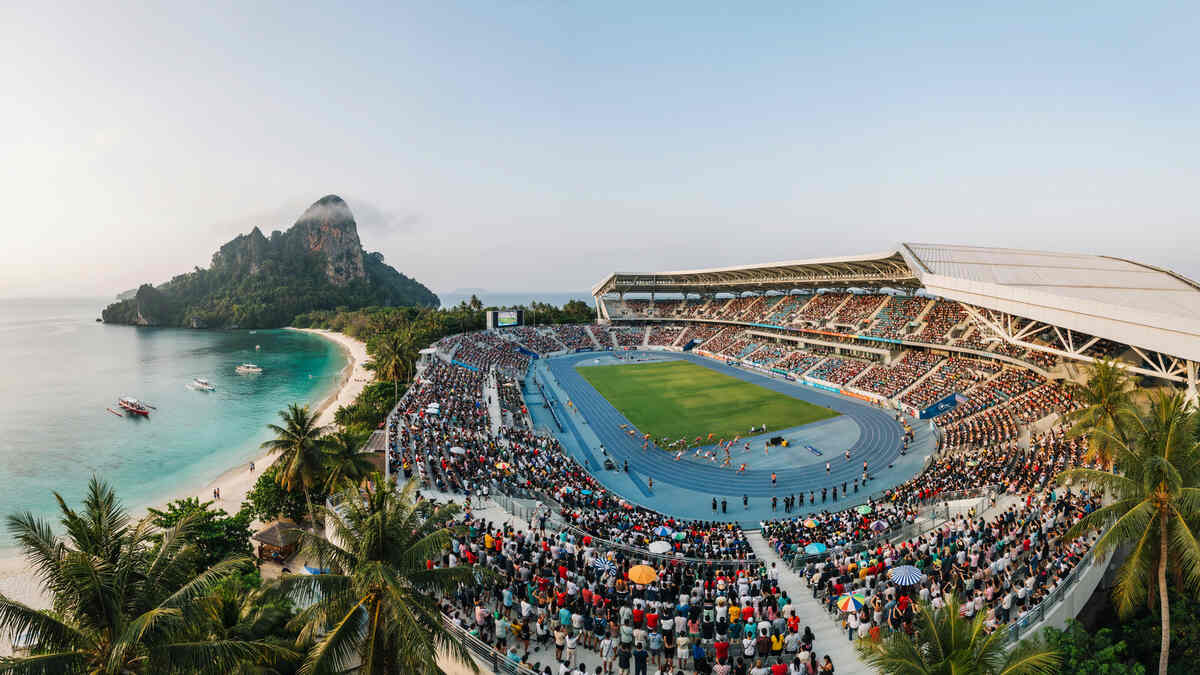
The Philippines is set to boost the development of sports tourism thanks to the rising number of international events. The Philippines is positioning itself as an emerging sports tourism hotspot as global competitions, governmental initiatives, as well as destination-specific programs, offer a growing attraction to high-end visitors. Over 30 international sporting events are set to be hosted or drawn to the country as the archipelago uses sports to raise the number of visitors, the length of their stay, the appeal of the destination, and the ensuing economic benefits.
The growing sports tourism movement is being supported by a national strategy that connects sporting events with tourism development. The creation of the National Sports Tourism Inter-Agency Committee (NST-IAC) through Administrative Order No. 38 has provided a structured framework to coordinate government efforts, improve event hosting capabilities, and promote the Philippines as a competitive global sports destination.
Philippines Turns Global Sporting Events Into New Tourism Growth Engines
Sports tourism has emerged as one of the Philippines’ fastest-growing tourism opportunities, as international competitions are increasingly being recognised as more than sporting occasions. These events are becoming powerful platforms that attract athletes, families, supporters, officials, and international visitors who contribute directly to local economies.
Unlike traditional tourism arrivals, sports travellers often generate higher-value spending because their trips involve longer stays and multiple travel requirements. Visitors arriving for competitions typically spend on accommodation, transportation, dining, shopping, guided tours, and leisure activities before or after events.
Advertisement
Advertisement
The Philippines is now focusing on converting these short sporting visits into complete tourism experiences. Instead of visitors travelling only between airports, hotels, and competition venues, programmes are being developed to encourage exploration of beaches, cultural attractions, adventure destinations, and local communities.
This approach reflects a wider global trend where countries are using sports events as destination marketing tools. Major competitions provide international exposure while allowing host locations to showcase their infrastructure, landscapes, hospitality, and cultural identity.
Advertisement
Advertisement
The Philippine government has identified sports tourism as an important contributor to economic growth, employment generation, investment attraction, and tourism development. The NST-IAC was established to oversee initiatives, support international event hosting, and strengthen cooperation between sports and tourism sectors.
More Than 30 International Events Put Philippines On Global Sports Tourism Map
The Philippines is expanding its international sports calendar, with more than 30 global events lined up for hosting. The growing schedule highlights the country’s ambition to become a recognised destination for international competitions.
Advertisement
Advertisement
These events cover different sporting disciplines and attract diverse groups of travellers. Youth competitions, cycling events, water sports, and other international tournaments are helping introduce Philippine destinations to new audiences worldwide.
The increasing number of hosted events is also supporting regional tourism growth. While major cities remain important hubs, sports tourism is creating opportunities for destinations outside traditional tourism centres.
Cities and islands with strong tourism appeal are being positioned as potential venues where visitors can combine competition attendance with leisure travel. This strategy allows sporting events to contribute not only to event locations but also to surrounding destinations.
The Philippines’ advantage comes from its combination of tropical landscapes, diverse tourism products, improving infrastructure, and internationally recognised destinations. The country’s islands, beaches, mountains, and cultural attractions provide opportunities for sports-linked holidays throughout the year.
Advertisement
Advertisement
Through stronger event planning and destination partnerships, sports tourism is being transformed into a tool for spreading tourism benefits across different regions.
Youth Sports Events Create High-Value Family Travel Opportunities
One of the strongest examples of the tourism potential of sports events has been demonstrated through youth competitions. The Karate One Youth League attracted around 3,000 young participants from 90 countries, creating a significant international visitor movement.
The impact extended far beyond the athletes themselves. Many participants travelled with parents, grandparents, and siblings, creating a wider tourism ecosystem around the competition.
Family members stayed for more than seven days in many cases, generating additional demand for hotels, restaurants, transportation services, tours, and attractions.
This model highlights an important opportunity for the Philippines. Youth sports competitions are not only about athletes competing; they create family travel experiences where sporting commitments are combined with holidays.
Such events can encourage visitors to discover destinations beyond competition venues. Families attending tournaments can explore beaches, heritage sites, nature attractions, and local experiences, increasing tourism spending and strengthening destination awareness.
Advertisement
Advertisement
The growing popularity of family-oriented sports tourism also allows the Philippines to attract visitors who may return in the future for leisure holidays after experiencing the country through sporting events.
Tour of Luzon Showcases Philippines Through Global Cycling Exposure
Cycling has become another important driver of Philippine sports tourism, with the Tour of Luzon demonstrating how sporting events can become international marketing platforms.
The cycling tournament featured 17 teams from five countries and generated significant global attention, reportedly receiving around 200 million views.
The visibility created by such events provides an opportunity to showcase landscapes, communities, and destinations across Luzon. Unlike stadium-based competitions, cycling events travel through multiple locations, allowing audiences worldwide to see different parts of the country.
This creates a unique tourism advantage. Every route becomes a visual promotion of Philippine scenery, local culture, and regional attractions.
Cycling tourism is also considered a high-value travel segment because participants and supporters often seek additional experiences connected to nature, adventure, and local communities.
Advertisement
Advertisement
By expanding cycling and outdoor sporting events, the Philippines can attract travellers interested in active holidays while promoting lesser-known destinations.
From Competition Venues To Complete Philippine Travel Experiences
A major focus of the sports tourism strategy is changing how international visitors experience the country.
Previously, many athletes and teams followed a limited travel pattern: arriving at the airport, staying near competition venues, participating in events, and leaving without exploring the destination.
The new approach aims to integrate tourism opportunities into sports journeys.
Visitors attending competitions are now being encouraged to extend their stays and discover destinations such as Boracay, Siargao, Cebu, Bohol, and Clark.
Boracay offers internationally recognised beaches and water activities, making it suitable for sports and leisure combinations. Siargao provides opportunities for surfing and adventure tourism. Cebu and Bohol offer cultural, marine, and nature-based experiences, while Clark provides facilities suitable for larger sporting events.
Advertisement
Advertisement
By connecting competitions with tourism packages, the Philippines aims to increase visitor spending and create stronger links between sports and local economies.
Boracay, Siargao, Cebu And Bohol Gain Recognition As Sports Destinations
The rise of sports tourism is helping transform several Philippine destinations into international event locations.
Boracay’s reputation as a beach destination provides opportunities for water sports and outdoor competitions. Siargao’s global surfing identity supports adventure-based sports tourism. Cebu’s established tourism infrastructure makes it suitable for international events, while Bohol’s natural attractions create opportunities for visitors seeking experiences beyond competitions.
Clark has also become an important location because of its event facilities and accessibility.
The development of these destinations reflects a broader tourism strategy: using sports events to introduce international travellers to different parts of the Philippines.
As more competitions are hosted across the country, tourism benefits can be distributed more widely, supporting hotels, transport providers, restaurants, tour operators, and local businesses.
Advertisement
Advertisement
Government Strategy Aims To Build A Long-Term Sports Tourism Future
The Philippines’ sports tourism expansion is being built around stronger cooperation between government agencies, tourism organisations, and sports stakeholders.
The National Sports Tourism Inter-Agency Committee has been tasked with coordinating initiatives, supporting bids for major international sporting events, and helping create a long-term development plan for the sector.
The strategy reflects a recognition that sports tourism can provide benefits beyond individual competitions. Successful events can improve international visibility, encourage investment, strengthen infrastructure, and create employment opportunities.
By combining sports with tourism experiences, the Philippines is aiming to position itself as a destination where visitors do not simply attend events but also discover the country.
Philippines Builds A New Era Of Experience-Led Tourism Growth
The Philippines is entering a new phase of tourism development where sports are becoming a gateway to destination discovery.
International competitions are being used not only to attract athletes but also to bring families, supporters, and global audiences closer to Philippine experiences.
Advertisement
Advertisement
With a growing event calendar, stronger government coordination, and a focus on connecting sports with travel, the country is creating a new tourism model based on longer stays, higher visitor spending, and wider destination exposure.
The Philippines is witnessing a boom in sports tourism as international sporting events are on the rise, attracting global tourists, helping generate substantial revenues, and drawing attention to destinations beyond the sports events themselves.
As the world turns to experiential travel, the sports tourism concept is a great chance to promote the islands, culture, adventure, and friendliness of the Filipinos to the world.
Advertisement
