
Germany Triggers Europe Visa Battle as Russian Tourists Face Tougher Restrictions Under New Security Measures

Published
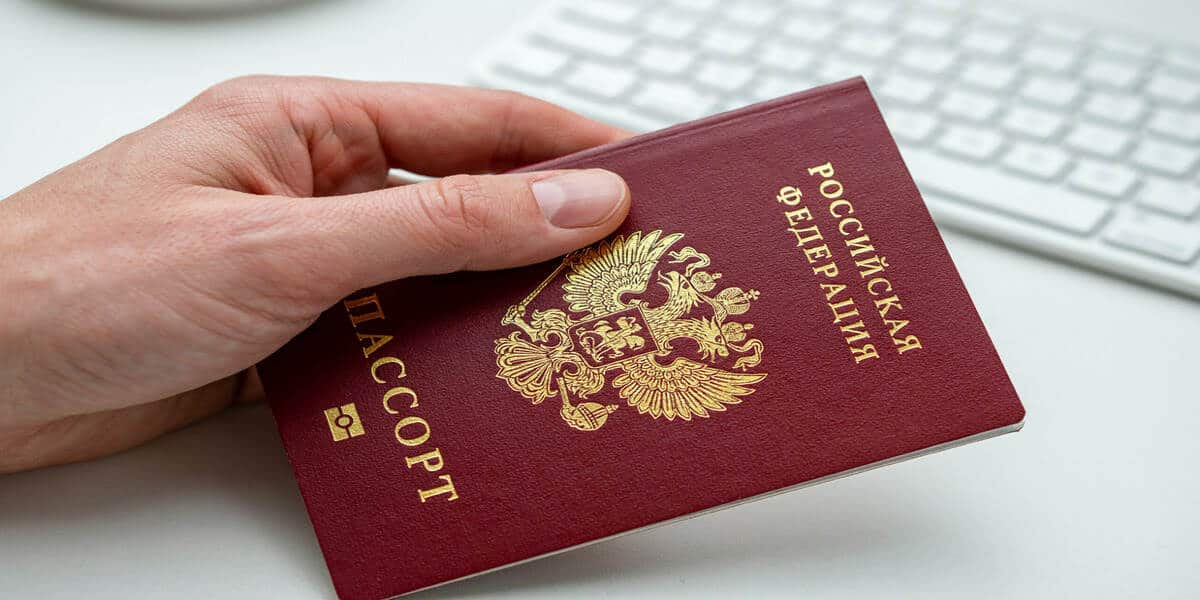
Germany is pressuring the EU to restrict Russian tourist visas as too many short-term travel permits issued to Russian citizens are allowed in the current climate of increased security concerns. The Government of Germany is calling on its EU partners to impose more stringent and standardized visa controls. They believe that a more rigorous screening process is required to guarantee that only those who pose no potential risks can enter the Schengen area. The pressure comes after heightened security measures after a series of security-related incidents souring German-Russia relations. The Government is now considering reviewing not only tourist travel restrictions but Russian-related operations and diplomatic activities in Germany.
Germany has launched a major push for stricter controls on Russian tourist visas, warning that European countries are still issuing too many short-stay travel permits to Russian citizens. Berlin is urging its European Union partners to reduce the number of Schengen C visas issued for tourism and introduce stronger coordination on travel security.
The move comes amid rising tensions between Germany and Russia following security concerns linked to a failed drone incident at Leipzig Airport. German officials say stronger checks are needed to ensure that only individuals who do not pose a security threat are allowed to enter the European Union.
Germany’s latest call could reshape the future of Russian leisure travel to Europe and create a new phase in the continent’s already complex visa environment.
Advertisement
Advertisement
Germany Warns EU Countries Over High Number of Russian Tourist Visas
The German Government has raised concerns over the number of tourist visas currently being issued to Russian nationals across the European Union.
A spokesperson for Germany’s Foreign Ministry said that the number of short-stay C visas granted to Russian citizens for holidays in Europe remains too high. Berlin believes EU countries must work more closely together to reduce visa approvals and strengthen security screening.
Advertisement
Advertisement
Germany referred to a 2022 agreement among European Union countries, where members agreed to cooperate on reducing the number of tourist visas issued to Russian nationals.
However, German officials said the agreement is being applied differently across Europe. Some countries have introduced strict measures, while others continue to issue a larger number of visas.
Advertisement
Advertisement
Berlin is now calling for a more consistent approach across the European Union.
The German Government says the objective is not to stop all travel but to ensure that people entering Europe do not create security risks.
Security Concerns Push Germany Toward Stronger Travel Controls
Germany’s renewed focus on Russian tourist visas follows its response to a failed drone attack at Leipzig Airport.
German authorities said the incident raised serious security concerns and announced further measures after blaming Russia for the attack.
Advertisement
Advertisement
The Government said it would respond firmly to actions that threaten national security and European stability.
Berlin believes travel policies must now consider wider security challenges. Officials argue that visa decisions cannot only focus on tourism and economic benefits but must also include careful assessment of possible risks.
Germany says modern security threats can involve different areas, including diplomatic activities, cyber operations and attempts to influence European institutions.
The Government has indicated that stronger screening procedures may be necessary to protect European borders.
Europe Faces Pressure for a Unified Russian Visa Strategy
The debate over Russian tourist access to Europe has become one of the most sensitive travel issues in recent years.
Since 2022, European countries have followed different approaches toward Russian visitors. Some nations have introduced tougher restrictions, while others have maintained more open visa systems.
Advertisement
Advertisement
Germany believes this difference creates challenges for the Schengen Area.
Officials argue that when countries follow different rules, travellers may apply through nations with easier approval processes before entering other European destinations.
Berlin wants EU members to create a stronger common policy that applies similar standards across the bloc.
The German Government believes a coordinated system would improve security checks and prevent individuals considered potential risks from entering Europe through weaker screening channels.
Germany Moves to End Russian Cultural Institute Operations in Berlin
Germany’s actions against Russian-linked activities extend beyond tourist visas.
The Government has also announced plans to end the operation of the Russian Cultural Institute, commonly known as the Russian House, in Berlin.
Advertisement
Advertisement
German authorities confirmed that a termination notice has been issued and that the organisation will stop operating as a cultural institution in the middle of next year.
Before the final closure, Germany plans to further reduce the organisation’s activities.
Employees sent from Russia to work at the institute will be required to leave Germany.
The decision represents another major development in the changing relationship between Berlin and Moscow.
Germany says the move is part of a wider review of Russian state-linked organisations operating within the country.
Russian Diplomatic Presence Faces Further Restrictions
Germany has also announced restrictions affecting Russian diplomatic personnel.
Advertisement
Advertisement
Staff members assigned from Russia will be asked to leave Germany, including employees connected with the Russian Consulate-General in Bonn.
The Government says these measures are necessary due to security concerns and are designed to reduce potential risks linked to foreign state activities.
German officials have warned that Russia may respond to the decisions, but Berlin says it is prepared for possible reactions.
Deputy Government Spokesman Steffen Meyer said Germany believes Moscow has understood the message behind the latest actions.
He stated that hostile activities would not achieve their intended political goals and that such actions would ultimately damage Russia itself.
Russian Tourism to Europe Faces an Uncertain Future
Germany’s latest demand could become a major turning point for Russian travellers planning trips to Europe.
Advertisement
Advertisement
The Government has not announced a complete ban on Russian tourist travel, but Berlin is clearly pushing for fewer visa approvals, stricter checks and stronger cooperation among EU countries.
Future changes could result in longer processing times, additional security reviews and fewer opportunities for short holiday visits.
For European countries, the challenge will be balancing security priorities with tourism, economic connections and international relations.
Germany believes stronger restrictions are necessary due to the current security environment. Other EU nations will now decide whether to follow Berlin’s approach or continue with their own visa policies.
As relations between Europe and Russia remain tense, tourist visas have become more than just a travel document. They have become part of a bigger debate of security, diplomacy and the future of movement across Europe. Germany, in particular, is urging the EU to cut Russian touristic visas, as the government in Berlin deems the current amount of approvals to be too high. And with increased security screenings come increased tensions.
The move could have a major impact on the Russian ability of traveling in the EU, as nations are now debating increased visa restrictions and border control.
Advertisement
