
United Airlines Turns Starlink Wi-Fi Into a Powerful Customer Magnet as Global Airlines Race to Transform Air Travel

Published
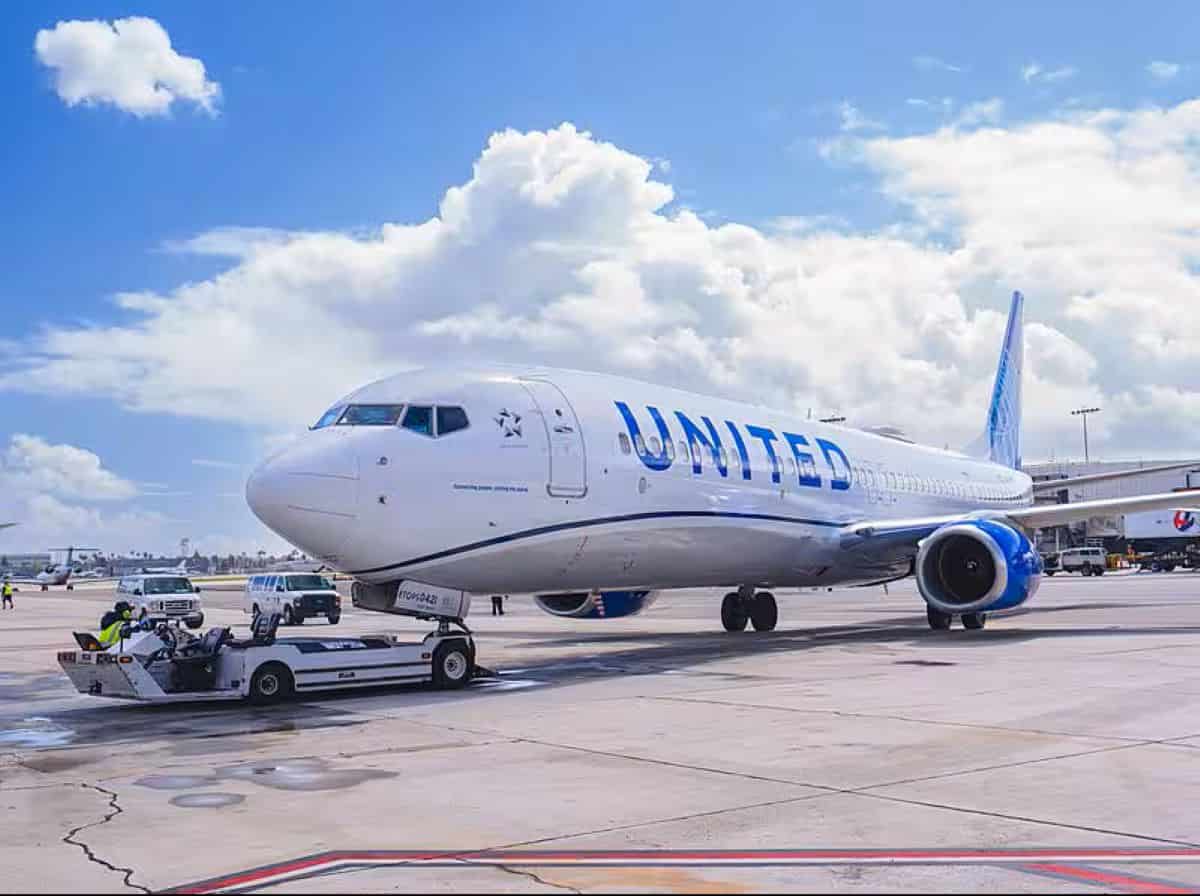
Imagine settling into your aircraft seat for a long journey and discovering that you can message colleagues, stream a live sporting event or catch up with work without the usual frustration of slow internet. For United Airlines, this increasingly connected experience is becoming more than a passenger convenience. The American carrier is using Starlink Wi-Fi to attract customers, strengthen loyalty and stand out in an increasingly competitive travel market.
United announced on 15 October 2026 that Starlink was available on more than 635 aircraft, covering nearly half its daily departures. Its latest third-quarter financial announcement subsequently reported installations on more than 640 aircraft. The airline aims to complete its fleet-wide rollout by the end of 2027. These figures underline the speed of its expansion, although passengers should still check connectivity availability for their particular flight.
United Airlines Uses Better Wi-Fi to Attract New Customers
The airline’s strategy extends beyond installing new equipment. United has introduced a promotional campaign called ‘Switch to Better Wi-Fi’, offering eligible members of competing loyalty programmes a route to United Premier status, subject to the offer’s qualifying conditions.
The airline reported a tenfold increase in daily status-match applications during the campaign, which it extended to 22 October. This is a significant response to a marketing initiative, although applications should not be confused with completed bookings, new customers retained over the long term or additional revenue.
Advertisement
Advertisement
United’s management argues that travellers may initially try the airline because of Starlink but remain because of its wider service, onboard products, digital tools and customer experience.
The approach illustrates a wider commercial opportunity: airlines can use technology to attract passengers and then encourage them to return through their broader travel offering.
Advertisement
Advertisement
What Starlink Means for Business and Leisure Travellers
Inflight internet has traditionally been associated with messaging, browsing and occasional email access. Satellite connectivity with greater capacity and lower latency can support a broader range of online activities, including cloud-based work, video streaming and interactive entertainment.
For business travellers, this could make time spent in the air more productive. Passengers may be able to review documents, communicate with colleagues and prepare for meetings while travelling between cities or continents.
Advertisement
Advertisement
Leisure passengers have different priorities. Families can stay connected, travellers can communicate with people waiting at their destination, and sports fans may be able to follow live events during a journey.
United has also promoted live professional and college football on Starlink-equipped seatback screens. These features help turn connectivity into a more visible part of the passenger experience rather than an invisible technical upgrade.
However, actual performance depends on the aircraft, network conditions and service policies. Better internet does not guarantee uninterrupted access throughout every flight.
North America Faces a New Airline Loyalty Battle
United is not competing in isolation. Delta Air Lines has invested in complimentary Wi-Fi through its Delta Sync offering, while American Airlines announced plans to install Starlink on more than 500 narrowbody aircraft, with installations expected to begin in 2027.
Advertisement
Advertisement
These different approaches demonstrate how connectivity is becoming part of the competition between major US carriers. Airlines can use internet access alongside frequent-flyer benefits, digital entertainment and onboard services to make their products more attractive.
For travellers comparing flights, Wi-Fi may become another consideration alongside ticket prices, departure times, baggage allowances and seat comfort. Nevertheless, passengers will still weigh these factors differently depending on their budget and the purpose of their journey.
Europe Brings Connectivity Into the Passenger Experience
The trend extends across the Atlantic. Lufthansa Group began operating its first Starlink-equipped flight in August 2026, with further installations planned as part of a wider rollout. Its approach links high-speed internet with its existing customer-account and loyalty ecosystem.
Iberia has also introduced Starlink-equipped aircraft, according to previously published travel-industry coverage.
For European travellers, the development could make internet access a more important part of comparing airlines on short-haul connections and longer international journeys. Yet rollout schedules vary, and the presence of the technology across an airline group does not mean every aircraft offers the same service.
Emirates and Singapore Airlines Extend the Global Race
In the Middle East, Emirates reported in July 2026 that its customers had recorded more than one million Starlink Wi-Fi connections since the service’s introduction across its fleet began seven months earlier.
Advertisement
Advertisement
In Asia-Pacific, Singapore Airlines announced in May 2026 that it had selected Starlink for its long-haul Airbus A350-900 and A380 aircraft. Its planned rollout was due to begin in the first quarter of 2027 and continue through the end of 2029.
These developments highlight how airlines serving major international hubs are investing in the digital journey. For passengers connecting through Dubai or Singapore, a more connected flight could improve the experience of spending many hours travelling between continents.
However, connection totals and installation plans do not independently demonstrate that Wi-Fi has increased ticket sales or profitability.
Aviation Safety and Passenger Expectations Remain Important
New connectivity equipment must meet the relevant aviation certification and operational requirements. The US Federal Aviation Administration maintains a regulatory system for aircraft modifications, including supplemental type certificates covering approved equipment installations.
The FAA’s published records include Starlink aviation-system installations for specified aircraft types. These approvals are aircraft-specific, so they should not be interpreted as blanket approval for every aircraft or configuration.
Passengers should also understand that internet availability is separate from flight safety, scheduling and other passenger rights. The US Department of Transportation explains that travellers may be entitled to a refund for a paid ancillary service, including Wi-Fi, when an airline fails to provide the service purchased, subject to the applicable rules.
Advertisement
Advertisement
The Future of Travel May Be More Connected
United Airlines’ Starlink expansion shows how an onboard technology upgrade can become part of a much larger commercial strategy. The airline is seeking to turn a better digital experience into stronger customer preference, while competitors across North America, Europe, the Middle East and Asia-Pacific pursue their own connectivity improvements.
For travellers, the benefit could be simple but meaningful: less time offline and more freedom to work, communicate or relax during a journey. Whether that convenience becomes decisive when choosing an airline will depend on availability, reliability, price and the quality of the overall service.
The next time passengers compare flights, the decision may involve more than the seat, fare or route. Increasingly, it may also come down to how connected they can remain between take-off and landing.
Advertisement
