
Paradise for Foodies? These Are the World’s Best Food Cities 2026 for Food Lovers From Thailand’s Street Food to Peru, Mexico, Spain, China, UK, and More Global Destinations Redefining Travel Through Flavor

Published
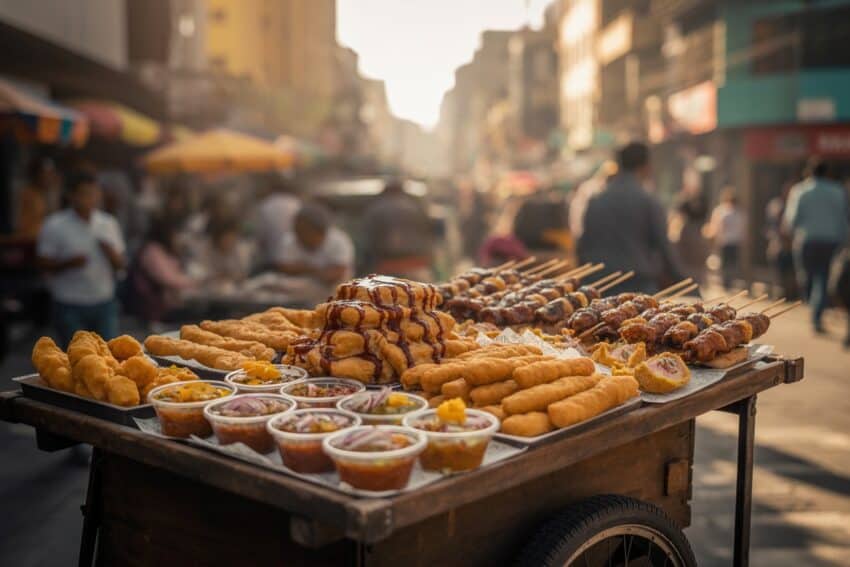
Travel today isn’t just about monuments or museums anymore. For many people, it’s about what’s on the plate. The idea of the world best food cities 2026 captures that shift perfectly, where entire cities are judged by flavor, memory, and everyday eating culture. What makes it interesting is how differently each place builds its food identity—some through street vendors, others through centuries-old traditions or global migration.
Across official tourism boards and cultural departments, these destinations are often highlighted as top culinary tourism destinations, not just because of restaurants, but because food is part of daily life. And once you start looking closely, you realize each city tells its own story through what people cook, sell, and share.
Advertisement
Advertisement
Top 10 World Best Food Cities 2026 (Starting From Rank 10)
- 10. Lisbon
Lisbon stands out for its simple but deeply satisfying coastal cuisine. Official tourism bodies often highlight how Portugal’s capital preserves traditional seafood dishes and bakery culture while keeping everyday food affordable and accessible. - 9. Athens
Athens brings together ancient culinary heritage and modern Mediterranean dining. Government cultural programs emphasize olive oil-based cooking traditions, fresh produce markets, and long-standing local food customs. - 8. Beijing
Beijing reflects centuries of imperial culinary history supported by national heritage preservation efforts. The city’s food culture is shaped by regional Chinese traditions, public food markets, and historically significant dishes maintained through cultural programs. - 7. Melbourne
Melbourne is widely recognized for its multicultural food environment, supported by Australia’s tourism and cultural institutions. Its dining scene blends global influences with strong café culture and locally sourced ingredients. - 6. Ho Chi Minh City
Ho Chi Minh City is known for its vibrant street food network and strong local culinary identity. Official tourism initiatives highlight its balance of traditional Vietnamese cooking and fast-moving urban food culture. - 5. Barcelona
Barcelona brings Mediterranean identity to life through its regional cooking traditions. The Barcelona Catalan cuisine reflects Catalonia’s heritage, with strong emphasis on fresh produce, seafood, and long-standing market culture supported by regional preservation programs. - 4. London
London’s food identity is shaped by global migration and cultural diversity. The London food diversity scene is supported by historic food markets and government-backed cultural preservation efforts that protect multicultural culinary spaces. - 3. Mexico City
Mexico City offers a layered food culture that blends ancient culinary traditions with modern innovation. The Mexico City cuisine landscape is supported by cultural heritage programs that recognize traditional food practices as part of national identity. - 2. Bangkok
Bangkok is one of the most dynamic food capitals in the world, known for its dense and accessible street food network. The Bangkok street food culture is deeply embedded in daily life and actively supported through tourism and urban food regulation efforts. - 1. Lima
Lima leads the list with a culinary identity shaped by coastal geography and cultural fusion. The Lima food culture reflects Indigenous traditions combined with global influences, supported by national tourism and heritage programs that promote both traditional and modern Peruvian cuisine.
Lima Quiet Coastal And Deeply Rooted In Flavor
Lima doesn’t always shout for attention, but it earns its place in the world best food cities 2026 through depth rather than noise.
The Lima food culture is shaped by its coastline and long history of cultural blending. Official tourism bodies in Peru often emphasize how Indigenous ingredients meet global influences in a way that feels seamless rather than forced.
Advertisement
Advertisement
Some defining traits include:
- Fresh seafood playing a central role in daily meals
- Traditional dishes influenced by multiple cultural waves
- Strong focus on local ingredients and seasonal cooking
- Recognition of both affordability and high-quality dining
Lima’s food scene feels grounded. It’s not built for spectacle—it’s built for continuity, which makes it quietly powerful in global culinary conversations.
Advertisement
Advertisement
Mexico City History Heat And Heritage On A Plate
Mexico City feels like a living archive of taste. Among the world best food cities 2026, it stands out for how deeply food is tied to identity and history.
The Mexico City cuisine scene stretches from ancient traditions to modern reinventions. Government cultural programs recognize Mexican food as heritage, which helps protect traditional cooking methods while still allowing innovation.
Advertisement
Advertisement
Walk through its food landscape and you’ll notice:
- Street tacos that carry centuries of culinary evolution
- Markets filled with regional ingredients and old recipes
- Government-supported food festivals celebrating heritage dishes
- A strong mix of fine dining and everyday street meals
There’s a rhythm here—old and new constantly sharing the same space. That balance is a big reason Mexico City is repeatedly placed among the world best food cities 2026.
Bangkok Where The Streets Basically Are The Kitchen
If there’s one place that instantly comes to mind in the world best food cities 2026, it’s Bangkok. The city doesn’t treat food as an “experience”—it treats it like part of the street itself.
The Bangkok street food scene is everywhere: sidewalks, floating markets, night stalls, even small family setups that have been cooking the same recipes for decades. Official tourism programs in Thailand consistently highlight how street food is not a trend here—it’s a cultural backbone.
Advertisement
Advertisement
What stands out most is how everyday it feels:
- Meals are cooked right in front of you
- Flavors hit all directions at once—sweet, sour, salty, spicy
- Many dishes are still sold for locals, not just tourists
- Recipes are passed down informally, often within families
Bangkok doesn’t try to impress you. It just feeds you constantly.
Barcelona Mediterranean Comfort With Deep Tradition
Barcelona brings a completely different energy to the world best food cities 2026. It’s slower, sun-soaked, and deeply tied to its region.
The Barcelona Catalan cuisine identity is shaped by Mediterranean living—simple ingredients treated with care and respect. Regional tourism and cultural institutions often highlight how food here is inseparable from Catalan heritage.
What defines it:
- Olive oil, bread, seafood, and vegetables at the center of meals
- Strong presence of traditional dishes in everyday eating
- Markets that act as both cultural and community spaces
- Cooking styles passed down through generations
Barcelona doesn’t overwhelm you with variety. Instead, it refines what it already has.
Advertisement
Advertisement
London A City That Eats The World
London is less a single cuisine and more a collection of the world on one map. In discussions about the world best food cities 2026, it often stands out for diversity rather than tradition.
The London food diversity story is rooted in migration. Government cultural bodies frequently point out how communities from around the world have shaped what the city eats today.
Here’s what that looks like on the ground:
- Entire neighborhoods dedicated to different global cuisines
- Historic food markets preserved as cultural landmarks
- Constant blending of traditional British food with global influence
- High variation in restaurant styles and dining experiences
London doesn’t have one food identity—it has many happening at the same time.
Why These Cities Keep Coming Up Together
Across continents, the world best food cities 2026 show a clear pattern: food is no longer just part of travel, it is the reason for travel itself.
Whether it’s street stalls, coastal traditions, or multicultural kitchens, these cities show that eating is never just about eating. It reflects history, migration, climate, and everyday life shaped over generations.
Advertisement
Advertisement
That’s also why they stand out as top culinary tourism destinations—because visitors aren’t just trying food, they’re stepping directly into how people live.
Conclusion
The world best food cities 2026 are not simply rankings. They are snapshots of how culture survives and evolves through food. From the energy of Bangkok street food to the depth of Lima food culture, from the layered Mexico City cuisine to the heritage-driven Barcelona Catalan cuisine, and the global mix of London food diversity, each city tells a different story.
Together, they prove something simple but powerful: food is one of the most human ways to understand a place.
Advertisement
