
Japan Goes All Out to Win American Tourists as Six Stunning Prefectures Unveil a New Travel Era in New York

Published
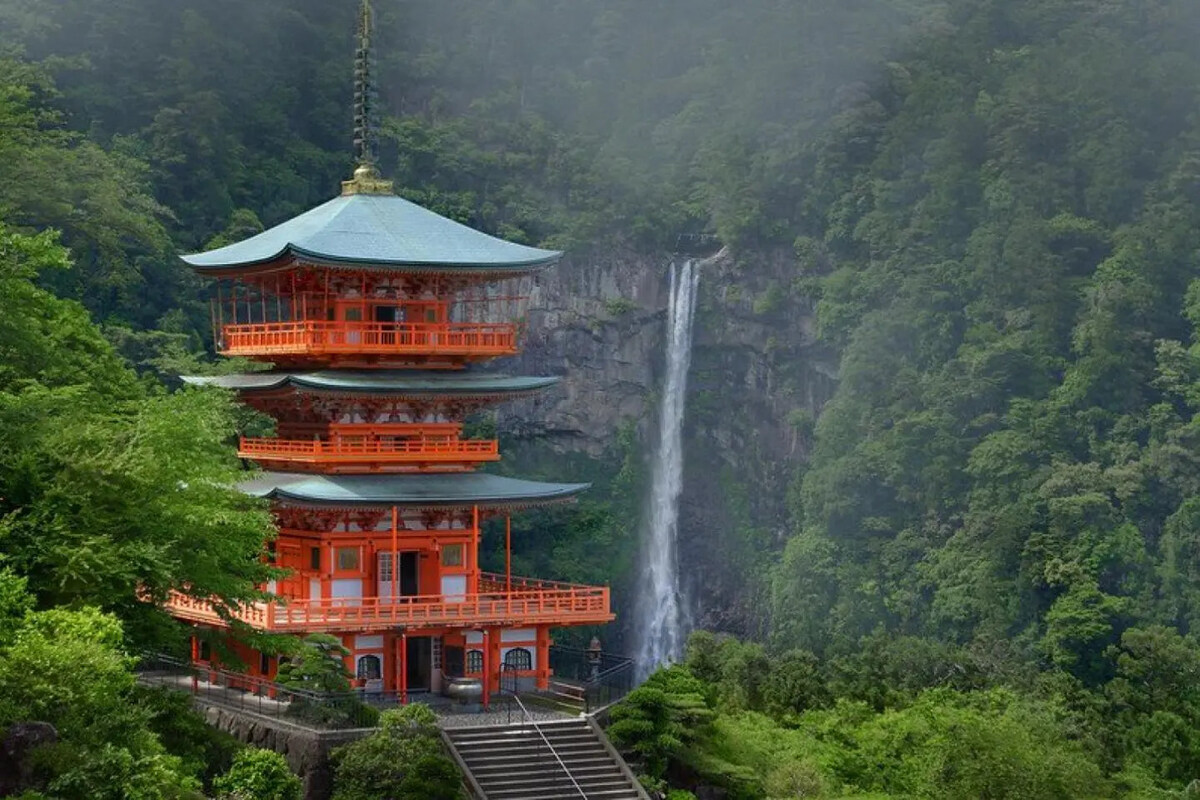
Japan is stepping up its efforts to attract American travellers to destinations beyond Tokyo, Kyoto and Osaka, with six prefectures joining a major tourism and trade promotion in New York City from 22 to 25 October 2026. Organised by the National Governors’ Association of Japan, the initiative brings together Nagano, Toyama, Shizuoka, Mie, Miyagi and Chiba to showcase regional culture, food, heritage and visitor attractions. The campaign aims to strengthen inbound tourism, create new opportunities for North American travel businesses and expand overseas markets for Japanese regional products as local economies face pressure from population decline.
Japan Brings Six Prefectures Together in New York to Unlock New Tourism Opportunities
The international promotional programme opened on Thursday, 22 October, at Glasshouse Chelsea in Manhattan. It included a tourism seminar from 4pm to 5.40pm, followed by a reception from 6pm to 7.45pm. The event introduced American travel companies, media representatives and business organisations to Japan’s regional destinations and distinctive cultural experiences. Five governors attended the initiative in person, representing Nagano, Toyama, Shizuoka, Mie and Miyagi, while Chiba also participated. The delegation was led by Nagano Governor Shuichi Abe, president of the National Governors’ Association.
Advertisement
Advertisement
Nagano’s official announcement identified approximately 40 invited travel agencies and media organisations for the tourism seminar. The wider reception brought together representatives from tourism, food and international trade. New York was selected for its importance as a centre of international commerce, culture and media. The programme allowed Japan’s regional authorities to engage directly with businesses capable of introducing new destinations to North American consumers.
Nagano, Toyama, Shizuoka, Mie, Miyagi and Chiba Showcase Japan’s Distinctive Regional Experiences
The six participating prefectures presented different aspects of Japanese culture, giving overseas travel companies a broader understanding of the country’s tourism opportunities.
Advertisement
Advertisement
Their presentations combined live performances, cultural demonstrations, regional specialities and destination information.
| Japanese prefecture | Tourism and cultural highlights | Potential tourism appeal |
|---|---|---|
| Toyama | Traditional Kokiriko folk song and dance associated with Gokayama | UNESCO heritage, rural culture and traditional performances |
| Shizuoka | Green tea cultivation, tea history and regional production traditions | Tea tourism, agriculture and cultural experiences |
| Mie | Iga-style ninja performance featuring traditional martial techniques | Heritage tourism and traditional Japanese culture |
| Nagano | Soba noodle-making demonstration, Japanese Alps, snow resorts and historic routes | Mountain holidays, winter tourism, gastronomy and history |
| Miyagi | Traditional regional sweets, including zunda mochi | Food tourism and northeastern Japanese culture |
| Chiba | Regional tourism attractions and local food promotion | Greater Tokyo excursions and regional experiences |
The presentations highlighted how visitors can discover different aspects of Japan within a single holiday.
Advertisement
Advertisement
Toyama and Shizuoka Put Traditional Japanese Culture at the Centre of Their Tourism Campaign
Toyama‘s presentation drew attention to Gokayama, an area internationally recognised for its traditional settlements and connections to Japan’s UNESCO-listed historic villages. The prefecture showcased Kokiriko, a traditional folk song and dance associated with local harvest customs. Its performance highlighted the importance of cultural preservation and community traditions in shaping visitor experiences. The presentation also positioned rural heritage as an attraction for travellers seeking experiences outside major urban centres.
Shizuoka introduced another important part of Japanese culture through its green tea industry. The prefecture presented the history of tea cultivation, traditional agricultural practices and the distinctive characteristics of locally produced green tea. Tea tourism offers visitors opportunities to explore agricultural landscapes, learn about regional production methods and experience an important part of Japanese daily life. Together, Toyama and Shizuoka demonstrated how traditional culture and agricultural heritage can support destination marketing and encourage visitors to explore regional communities.
Advertisement
Advertisement
Mie, Nagano and Miyagi Strengthen Japan’s Cultural and Food Tourism Appeal
Mie introduced the heritage of Iga-style ninjas through a choreographed performance involving traditional weapons and martial techniques. The presentation showcased a distinctive part of Japan’s historical identity and its appeal to travellers interested in Japanese history, performance and cultural traditions. Nagano focused on its mountain landscapes, snow resorts, traditional food and historic communities.
The prefecture distributed digital tourism material highlighting destinations including the Japanese Alps and historic post towns. A live soba-making demonstration at the reception introduced guests to the preparation of traditional buckwheat noodles. Miyagi contributed to the cultural showcase through regional food traditions, including zunda mochi, a Japanese sweet made with pounded rice cakes and a sweetened green soybean topping. These demonstrations connected destination marketing with food and cultural tourism, allowing travel industry representatives to experience elements that could feature in future holiday packages.
Japan’s Regional Tourism Strategy Gains Importance as International Visitor Patterns Change
The promotional initiative comes as Japan continues to receive substantial international visitor volumes, although the latest figures show changing monthly demand. According to the Japan National Tourism Organization, the country recorded 3,103,700 international visitor arrivals in September 2026, representing a 5% decline compared with September 2025. Despite the monthly decrease, cumulative arrivals during January–September 2026 exceeded 30 million. The organisation also reported that seven source markets achieved record September visitor numbers, including South Korea, Taiwan, Singapore, India, Mexico, Russia and the Middle East region.
Japan’s regional promotion programme therefore takes place against a wider effort to strengthen inbound travel and improve the geographical distribution of tourism benefits. Historically, Tokyo, Kyoto and Osaka have attracted significant international attention through the established Golden Route. The New York campaign encourages travel businesses to look beyond these destinations by introducing experiences in central, eastern and northeastern Japan. This approach could help distribute visitor spending across more communities while supporting longer and more varied itineraries.
Advertisement
Advertisement
Japan’s New York Tourism Campaign Also Targets a Growing American Travel Market
The United States remains an important international visitor market for Japan’s tourism industry. According to the National Governors’ Association’s official promotional planning documents, Japan received approximately 3,306,800 visitors from the United States in 2025, an increase of 21.4% from the previous year. The United States ranked as Japan’s fourth-largest inbound source market that year. The association also reported 42,683,600 international visitor arrivals across Japan in 2025, illustrating the scale of demand that regional destinations are seeking to attract.
Nagano has already recorded stronger North American accommodation demand. Its prefectural government reported 113,050 guest nights from American visitors in 2025, equivalent to 146% of the previous year’s level. Canadian visitors accounted for another 26,670 guest nights, equivalent to 148% of the 2024 figure. Both markets reached record levels for the prefecture. These figures support Nagano’s decision to pursue additional North American travel trade partnerships and promote higher-value tourism experiences.
Japanese Food Expo in Brooklyn Extends the Campaign Beyond Tourism Promotion
The New York initiative also included an international food and commercial promotion running from 23 to 25 October at Japan Village in Brooklyn. While six prefectures participated in the tourism seminar, businesses from 12 Japanese prefectures joined the Japanese Food Expo. These were Akita, Iwate, Miyagi, Chiba, Toyama, Ishikawa, Gifu, Mie, Fukui, Tottori, Saga and Nagano. The exhibition introduced Japanese regional products to American consumers, distributors, importers and commercial buyers.
Nagano contributed seven participating businesses, the largest representation among the prefectures. Its products included soba noodles, miso, rice, premium wagyu beef, traditional seasonings and regional beverages. The programme brought together two connected economic objectives: increasing the number of international visitors to Japan and creating opportunities for Japanese producers to sell regional products overseas. The event was expected to attract approximately 12,000 visitors over three days, although that figure remained an organiser projection rather than a verified final attendance total.
New York Tourism and Trade Promotion: Official October 2026 Event Schedule
| Date | Event | Location | Main objective |
|---|---|---|---|
| 22 October, 4pm–5.40pm | Prefectural tourism seminar | Glasshouse Chelsea, Manhattan | Destination promotion to US travel agencies and media |
| 22 October, 6pm–7.45pm | Cultural and tourism reception | Glasshouse Chelsea | Networking and regional product presentations |
| 23 October, 1pm–5pm | B2B commercial meetings | Industry City, Brooklyn | Direct discussions with food buyers and distributors |
| 23 October | Japanese Food Expo begins | Japan Village, Brooklyn | Promote Japanese regional food and products |
| 24 October, noon–1.20pm | Food Expo opening event | Japan Village | Regional food demonstrations and product promotion |
| 24 October | Food Expo public programme | Japan Village | Consumer engagement and food promotion |
| 25 October | Final scheduled exhibition day | Japan Village | Regional product promotion and commercial exposure |
Schedule based on official releases from the Toyama and Nagano prefectural governments. All times are local New York time. The commercial meetings on 23 October were scheduled to bring approximately 100 food industry buyers into direct contact with participating businesses. These interactions were intended to help Japanese producers establish relationships with American distributors and explore potential overseas sales channels.
Japan Turns to International Tourism and Exports as Population Decline Pressures Regional Economies
The broader importance of the campaign lies in the economic challenges facing many Japanese communities. Japan’s shrinking and ageing population is reducing the size of domestic markets, particularly in areas outside major metropolitan centres. Toyama’s official announcement directly connected the New York initiative with efforts to address domestic market contraction through increased inbound tourism and exports of agricultural, forestry, fisheries and food products. Tourism can generate revenue across several local industries. Visitors pay for accommodation, transport, restaurants, cultural activities and regional products.
Advertisement
Advertisement
When travellers visit smaller destinations, part of this spending can reach communities that receive fewer international tourists. Export development offers another commercial opportunity by allowing regional producers to reach overseas customers without depending entirely on domestic consumption. The combined tourism and food promotion therefore represents a coordinated approach to regional economic development rather than two unrelated marketing activities.
Nagano Extends Its North American Tourism Campaign to More Cities in November
The New York initiative is also connected to wider international promotional activity by Nagano. The prefectural government announced further tourism seminars and business meetings in Honolulu, San Francisco and Vancouver during November 2026. These events are designed to promote nature, food culture and higher-value tourism while helping businesses develop and sell travel packages.
The scheduled programme includes:
- 2 November: Tourism seminar and trade meetings in Honolulu.
- 4 November: Tourism seminar and trade meetings in San Francisco.
- 6 November: Tourism seminar and trade meetings in Vancouver.
Nagano confirmed that 15 participating organisations would be involved in presentations, with business meetings planned for approximately 30 local travel trade representatives. This programme demonstrates how regional governments are extending international tourism promotion beyond a single event to build sustained commercial relationships. The activities are particularly relevant to travel companies developing mountain holidays, cultural experiences, winter travel programmes and food-focused itineraries.
What Japan’s New Regional Tourism Campaign Means for American Travellers and the Global Travel Industry
For American travellers, the campaign could create greater awareness of Japanese destinations that receive less international publicity than Tokyo, Kyoto and Osaka. Potential itinerary themes include alpine scenery and winter recreation in Nagano, heritage villages in Toyama, green tea culture in Shizuoka, ninja traditions in Mie, regional cuisine in Miyagi and additional sightseeing experiences in Chiba.
The initiative does not introduce new visa requirements, passport rules or immigration changes. Its central focus is tourism promotion, commercial cooperation and regional economic development. The programme’s longer-term success will depend on whether destination awareness produces new bookings, greater visitor spending and stronger commercial relationships. Japan’s New York campaign nevertheless illustrates a clear direction in its international tourism strategy: make regional experiences more visible, connect local businesses with overseas markets and encourage travellers to discover more of the country beyond its established tourism centres.
Advertisement
