

Lesotho’s Luxury Cruise Ambition Meets Tough Travel Demand Test as Tourism Investment Awaits Commitment

Published
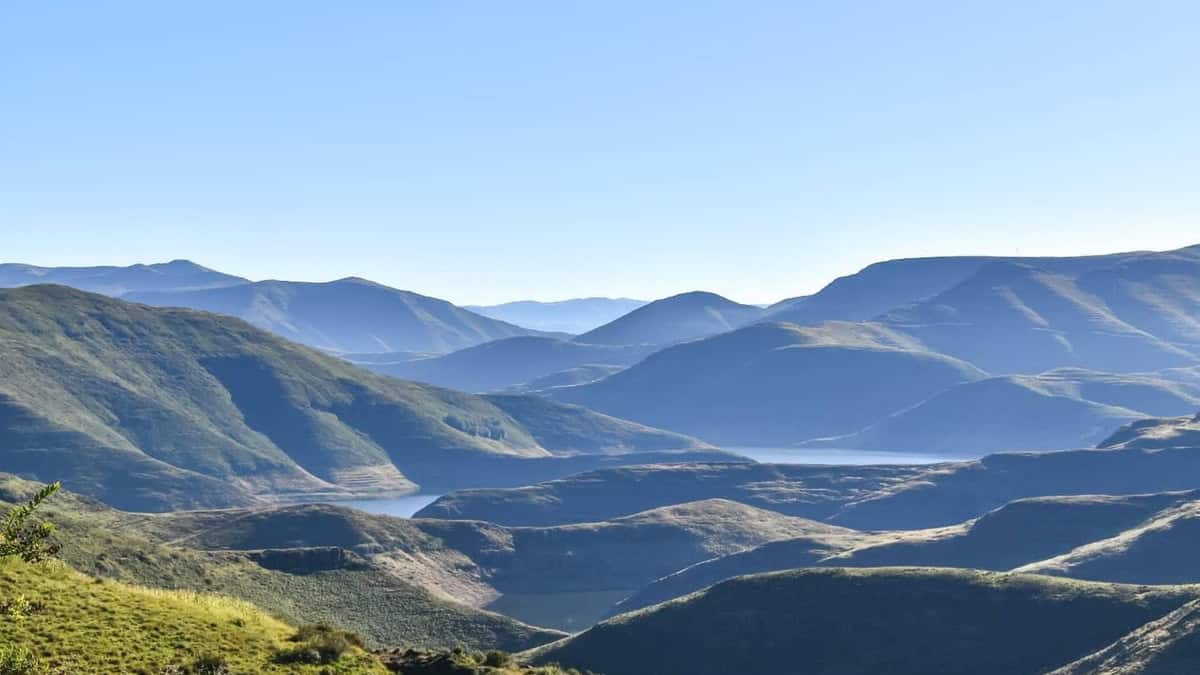
Lesotho’s proposed Katse luxury cruise faces a significant commercial test as official tourism figures reveal an 18% fall in international arrivals during 2025 and weak accommodation demand in Thaba-Tseka District. The Lesotho National Development Corporation is promoting a US$10.8 million integrated resort proposal, while a separate government tourism guide identifies a US$3 million cruise investment. A US$55 million road-upgrade procurement pipeline could improve access, but no verified cruise financing agreement, construction award or launch date has emerged from the official documents examined.
Lesotho’s Luxury Cruise Ambition Confronts a New Tourism Investment Reality
Lesotho’s ambition to introduce luxury cruising on Katse Dam has entered a more demanding commercial environment than the one outlined in earlier investment promotions. The latest annual tourism data raises important questions about visitor demand, transport accessibility and the viability of premium accommodation in the country’s highlands.
According to the Lesotho Tourism Development Corporation’s official 2025 Arrivals and Accommodations Report, international arrivals declined from 960,321 in 2024 to 787,069 in 2025.
The 18% contraction followed a 30.9% increase during 2024. It also left visitor arrivals at just 68.9% of their 2019 level.
Advertisement
Advertisement
This matters because the Lesotho National Development Corporation’s Katse Tourist Village investment proposal promotes the destination partly through the strong tourism performance recorded in 2024.
The later figures do not invalidate the investment opportunity. However, they introduce a material change in market conditions that prospective investors, travel agents, destination management companies and hospitality operators must consider.
Advertisement
Advertisement
The central issue is no longer simply whether Katse Dam possesses the scenery required to support a luxury cruise.
It is whether Lesotho can convert existing highland visitation into sufficient paying passengers, longer hotel stays and repeat travel to support the proposed development.
International Arrivals Fall While Katse Maintains a Small Share of Recorded Destination Demand
The tourism corporation’s 2025 report provides the most important independent statistical context for examining the cruise proposal.
| Official tourism indicator | Verified figure | Relevance to Katse luxury cruising |
|---|---|---|
| International arrivals in 2024 | 960,321 | Earlier tourism expansion used in investment promotion |
| International arrivals in 2025 | 787,069 | Latest reported annual demand baseline |
| Annual change | -18.0% | Indicates a weaker overall visitor market |
| Recovery against 2019 arrivals | 68.9% | Shows pre-pandemic volumes remain unrecovered |
| Arrivals originating in South Africa | 88.5% | Establishes the importance of regional customers |
| Arrivals entering by road | 98.1% | Makes road access essential to tourism distribution |
| Maseru Bridge share of arrivals | 43.8% | Identifies a major national entry point |
| Leisure and holiday visitors | 64.3% | Indicates the size of the broad leisure segment |
| Day visitors | 33.4% | Highlights demand for shorter experiences |
| Visitors staying one night | 20.5% | Shows limited overnight conversion |
| Combined zero-to-one-night visitors | 53.9% | Reinforces the short-stay structure |
| Katse Dam as intended destination | 16,528 arrivals | Establishes recorded destination interest |
| Katse Dam share of intended destinations | 2.1% | Shows the reservoir’s relatively limited national share |
Source: Lesotho Tourism Development Corporation, 2025 Arrivals and Accommodations Report, including its destination and length-of-stay tables.
The fall in international arrivals requires careful interpretation. LTDC identifies visa-related and border-operational constraints as significant contributors to the decline. The national figures therefore do not prove that travellers have lost interest in Lesotho’s landscapes or tourism products.
Nevertheless, they represent the operating environment against which new tourism investment must be assessed.
Advertisement
Advertisement
Katse Dam’s recorded figure of 16,528 intended-destination arrivals is particularly relevant. It demonstrates recognised destination demand, but it does not represent confirmed prospective customers for a premium cruise.
Nor can every traveller visiting Katse be expected to purchase a boat excursion, attend an event or book a luxury overnight stay.
The commercial case depends on the proportion of visitors willing to purchase these higher-value services.
Maseru and Thaba-Tseka Reveal the Geographic Challenge Facing Highland Tourism
One of the clearest findings in the 2025 accommodation report is the substantial difference between established tourism centres and more remote districts.
Maseru, the capital and principal commercial gateway, recorded considerably stronger accommodation activity than Thaba-Tseka District, where Katse Dam is located.
The comparison is based on district-level accommodation statistics. It must not be interpreted as figures for the two towns alone.
Advertisement
Advertisement
| 2025 accommodation indicator | Maseru District | Thaba-Tseka District | National benchmark |
|---|---|---|---|
| Reported guest nights | 170,125 | 12,390 | 378,425 |
| Bed occupancy | 31.7% | 12.6% | 22.1% |
| Rooms represented in survey | 1,476 | 156 | 3,680 |
| Establishments responding | 83 | 11 | 218 |
Source: LTDC 2025 Arrivals and Accommodations Report. The accommodation survey covered 218 of an estimated 252 licensed establishments, so its results should not be presented as a complete census of every accommodation provider.
This uneven distribution is commercially important.
Maseru benefits from government activity, business travel, urban services and established hospitality infrastructure. Thaba-Tseka offers a different proposition: mountain scenery, reservoir tourism, outdoor recreation and a more specialised accommodation market.
Its 12.6% reported bed occupancy does not establish that a new upscale lodge would perform at the same rate. A distinctive product could attract customers who do not currently visit.
However, a premium development would need to demonstrate how it could generate demand beyond the district’s existing accommodation pattern.
The substantial difference in reported guest nights suggests that a Katse cruise business may need to sell complete journeys rather than rely on travellers already staying nearby.
Advertisement
Advertisement
Two Katse Investment Proposals Require Separate Financial Assessment
A critical distinction emerges when the official government-backed investment documents are compared.
The tourism corporation’s investment guide identifies a standalone Katse luxury cruise opportunity with an estimated capital expenditure of US$3 million.
The development corporation separately promotes a larger Katse Tourist Village concept requiring US$10.8 million.
These figures describe different project scopes. They are not two confirmed financing packages for the same boat.
| Project component | LTDC cruise proposal | LNDC tourist village proposal |
|---|---|---|
| Promoting institution | Lesotho Tourism Development Corporation | Lesotho National Development Corporation |
| Indicative investment | US$3 million | US$10.8 million |
| Overall scope | Proposed luxury cruise operation | Integrated hospitality and leisure destination |
| Marine facilities | Premium passenger vessel and proposed jetties | Double-deck vessel for 40–60 passengers |
| Cruise geography | Approximately 50 km between Lejone and Katse Dam wall | Katse Dam sightseeing, dining and charters |
| Accommodation | Not established as a core component | Proposed 24–40-unit upscale eco-lodge |
| Additional attractions | Dining, entertainment and observation amenities | Skywalk, interpretation centre, outdoor activities and retail |
| Business travel facilities | Not separately established | Planned conference and MICE facilities |
| Project status | Greenfield investment opportunity | Public-private partnership opportunity |
| Confirmed commercial opening | Not established | Not established |
Sources: Official Lesotho Travel Investor Guide and LNDC Katse Tourist Village investment profile.
The cruise investment guide explicitly identifies the boat project as an opportunity that had not undergone a completed study when the guide was prepared.
Advertisement
Advertisement
It envisages a passenger vessel travelling between Lejone and the Katse Dam wall, together with dining facilities, observation areas, lounges and waterfront passenger infrastructure.
Meanwhile, LNDC’s integrated village concept combines a cruise vessel with accommodation, adventure experiences, dining and business-event facilities.
The two proposals may share a destination and some commercial objectives, but the accessible records do not establish that they have been merged into a single approved development.
For investors, that distinction determines the true capital requirement, operating responsibilities and potential revenue sources.
US$10.8 Million Resort Projections Face an Updated Market Test
LNDC’s integrated development profile contains indicative financial projections intended to attract potential investment partners.
Its proposal allocates US$10 million to fixed assets and US$800,000 to initial working capital.
Advertisement
Advertisement
The published model anticipates after-tax net profit of US$2.12 million in the first operating year, rising to US$3.38 million by the tenth year.
It also presents a projected internal rate of return of 19%, a net present value of US$5.31 million using a 10% discount rate, and a discounted payback period of seven years.
| Financial indicator | LNDC investment model | Editorial interpretation |
|---|---|---|
| Total indicative investment | US$10.8 million | Proposed development requirement, not funds secured |
| Fixed assets | US$10 million | Modelled capital allocation |
| Initial working capital | US$800,000 | Proposed operating liquidity |
| First-year net profit | US$2.12 million | Forecast, not operating earnings |
| Tenth-year net profit | US$3.38 million | Long-term model assumption |
| Internal rate of return | 19% | Projected investor return |
| Net present value | US$5.31 million | Model output based on a 10% discount rate |
| Discounted payback period | Seven years | Forecast investment recovery |
| Potential direct employment | 80–100 jobs | Estimated opportunity, not realised employment |
| Commercial start date | To be confirmed | No established opening timetable |
Source: LNDC Katse Tourist Village investment profile.
These projections need to be distinguished from independently validated financial performance.
LNDC itself identifies the figures as high-level investment indicators and calls for full feasibility analysis and investor due diligence.
The 2025 tourism slowdown makes that requirement especially important.
Advertisement
Advertisement
A development that depends on strong premium visitor growth must establish realistic room occupancy, cruise passenger volumes, seasonal pricing and operating costs under the latest market conditions.
It must also account for the difference between national visitor arrivals and travellers likely to reach Katse Dam.
World Bank’s US$55 Million Road Pipeline Introduces a Separate Infrastructure Opportunity
Transport access provides another major consideration for Katse’s tourism prospects.
According to the World Bank’s May 2026 regional procurement pipeline, an upgrade of approximately 55 kilometres of road between Thaba-Tseka and Katse was listed with an estimated procurement value of US$55 million.
The proposed works fall under the Lesotho Integrated Transport, Trade and Logistics project, identified by the World Bank as P502125.
This is an important infrastructure development for destination planning, although it is not a tourism-cruise financing agreement.
Advertisement
Advertisement
The May 2026 procurement snapshot covered active procurement activities and excluded those already recorded as signed, completed, cancelled or terminated at the time.
Consequently, its inclusion establishes a procurement pipeline at that date, not a confirmed construction award or completed road upgrade by October.
The project is nevertheless relevant because road access determines how easily tourism businesses can connect Maseru, Thaba-Tseka and Katse.
A more dependable corridor could eventually support private transfers, coach movements, supplies, emergency access and integrated touring itineraries.
However, operators should not advertise improved road conditions or shorter journeys until completed works and actual operating conditions are verified.
Katse’s Cruise Route Could Connect Luxury Leisure With MICE Tourism
The proposed Lejone–Katse Dam wall route offers a geographic foundation for a premium reservoir experience.
Advertisement
Advertisement
The LTDC concept identifies approximately 50 kilometres of cruising geography, with potential embarkation infrastructure near Lejone Camp and the dam wall.
The wider LNDC proposal adds a double-deck vessel with capacity for 40–60 passengers and a resort containing 24–40 accommodation units.
Those components could support several complementary visitor segments.
Holidaymakers could purchase sightseeing and dining packages. Couples and private groups could consider charter experiences. Small corporate delegations could potentially combine conference sessions with reservoir excursions.
Such opportunities are commercially plausible, but they remain development possibilities rather than available products.
The distinction matters particularly for MICE buyers, whose contracting decisions depend on confirmed room inventory, transport capacity, meeting facilities and supplier reliability.
Advertisement
Advertisement
A 40–60-passenger boat does not automatically translate into a commercially viable conference or incentive package. Group size, available rooms, catering provision, voyage duration and alternative activities must align.
The business opportunity therefore extends beyond purchasing a vessel. It requires an integrated destination operation that can deliver a complete itinerary.
Existing Katse Tourism Offers a Foundation, Not Proof of Luxury Cruise Demand
Katse is not starting from an absence of tourism infrastructure.
According to the Lesotho Highlands Development Authority’s official tourism information, Katse already offers accommodation, reservoir boat excursions, dam-wall tours and other outdoor activities.
The authority also identifies the dam as an established attraction within the wider highlands touring network.
This confirms that the proposed luxury vessel would represent an expansion into a more specialised product rather than the introduction of boating to Katse for the first time.
Advertisement
Advertisement
The destination also benefits from cultural events. LTDC’s official information on the 2026 Katse Dam Tourism Festival identifies the event as part of efforts to strengthen local tourism, cultural participation and community enterprise.
Existing attractions could help a future cruise business build itineraries around multiple activities.
Nevertheless, established recreational boating and occasional tourism events cannot independently validate demand for a premium 40–60-passenger operation.
That would require specific evidence of customers’ willingness to pay, realistic sailing frequencies and potential bookings from travel distribution partners.
Highland Road Safety and Reservoir Stewardship Remain Operational Priorities
Travel businesses also need to consider the responsibilities associated with operating in remote mountain environments.
In May 2026, LTDC published information about a community tourism-safety campaign conducted with the Lesotho Mounted Police Service around Katse and Thaba-Tseka.
Advertisement
Advertisement
The initiative addressed concerns over incidents involving passing vehicles and aimed to improve local awareness, visitor safety and community engagement.
Its existence should not be interpreted as evidence of a general travel prohibition. It does, however, reinforce the importance of locally informed route planning.
Water management presents a separate consideration.
According to the Lesotho Highlands Development Authority’s Phase I project information, Katse Dam has a wall height of 185 metres, a reservoir surface area of 35.8 square kilometres and a storage volume of 1,950 million cubic metres.
The reservoir forms part of the Lesotho Highlands Water Project, which carries major water-resource and environmental responsibilities.
Commercial vessel development would therefore need to be compatible with reservoir operations, water-quality protection, shoreline access and appropriate safety requirements.
Advertisement
Advertisement
The accessible institutional documents do not establish that final approvals for the proposed luxury vessel, jetties or commercial operating arrangements have been granted.
The Commercial Underwriting Gap That Investors Must Address
The strongest lesson from the official documents is that a promising destination and a financially investable tourism operation are not the same thing.
A cruise developer must establish how many passengers can realistically reach Katse, what those customers will pay and whether sufficient demand exists beyond weekends, holidays and special events. The available national arrivals figure cannot answer those questions on its own.
Thaba-Tseka’s low reported accommodation occupancy introduces a second consideration. The planned resort could create additional reasons to stay, but more beds also increase fixed costs. Investors would need to demonstrate that cruise revenue, accommodation, catering and events can support the proposed infrastructure throughout the year.
A third issue concerns the relationship between the standalone US$3 million cruise proposal and LNDC’s US$10.8 million integrated development. Without a defined concession structure, investors cannot determine whether vessel operations would form part of one resort business, operate independently or depend on separate contractual arrangements.
Finally, the road-upgrade procurement introduces a potential future improvement without removing today’s access risks.
Advertisement
Advertisement
The investment case becomes stronger only when these uncertainties are resolved through updated feasibility work, independently tested demand projections, documented operating rights and verified capital commitments.
That is the distinction between destination promotion and bankable tourism development.
What Must Happen Before Katse Becomes a Bookable Luxury Cruise Destination?
Several commercial milestones remain important to the travel industry.
| Development milestone | Publicly evidenced position | What would constitute a material update |
|---|---|---|
| Cruise investment proposal | Officially promoted | Named investor and confirmed capital commitment |
| Integrated tourist village | US$10.8m investment opportunity | Approved project structure and financial close |
| Vessel acquisition | Proposed vessel specifications | Verified purchase, construction or supply award |
| Marine operating rights | Not established in reviewed records | Signed concession or operating agreement |
| Feasibility assessment | Earlier LTDC guide identified an unstudied opportunity | Completed and disclosed investment assessment |
| Waterfront infrastructure | Passenger jetties proposed | Approved design and construction commitment |
| Road-access improvement | US$55m estimate in May 2026 procurement pipeline | Confirmed award, work progress and commissioning |
| Trade distribution | No verified sales launch | Published inventory, fares and agency booking arrangements |
| Opening timetable | Not established | Officially confirmed service commencement date |
Sources: LTDC investor guide, LNDC project profile and World Bank procurement documentation. The status column reflects the official material reviewed for this report as at 9 October 2026, rather than a certification that no subsequent private transactions exist.
These milestones provide a more dependable way to track the project than promotional descriptions of future passenger experiences.
They also distinguish genuine delivery progress from the publication of another investment opportunity.
Advertisement
Advertisement
For international travel distribution companies, the decisive announcement would be a documented transition from an investment prospect to an operating project with defined capacity, dates and commercial accountability.
Critical Operational Takeaways for Travel Agents and Tour Operators
- Avoid advance sales of the proposed premium cruise. No verified launch date, published fare structure or confirmed operating inventory has been established.
- Separate existing Katse boat excursions from the proposed luxury vessel. Do not market the future 40–60-passenger concept as a service already available.
- Use current route information. Verify road conditions, transfer arrangements and accessibility before confirming highland itineraries.
- Build flexible Maseru–Thaba-Tseka–Katse packages. Combine established attractions without making future resort or cruise facilities essential to the booking.
- Treat investor projections as forecasts. The published US$10.8 million model does not demonstrate secured finance or achieved returns.
- Assess customer demand by market segment. Regional self-drive leisure, private charters, international groups and MICE buyers have different requirements.
- Verify marine and environmental permissions. Any future luxury cruise should have documented operating rights and appropriate safety arrangements.
- Monitor the road procurement independently. The World Bank’s US$55 million estimate is not a cruise construction budget.
- Contract only against confirmed supplier capacity. Require evidence of accommodation inventory, vessel availability, cancellation conditions and emergency arrangements.
Lesotho’s Long-Term Luxury Travel Opportunity Depends on Turning Ambition Into Delivery
Katse Dam remains a credible candidate for specialised luxury tourism development. Its mountain setting, engineering heritage and existing recreational activities provide the foundation for differentiated highland travel experiences.
However, Lesotho’s latest tourism figures demonstrate why new investment must be measured against current demand rather than earlier growth expectations.
The combination of an 18% national arrivals decline, limited accommodation activity in Thaba-Tseka, a proposed integrated tourist village and a substantial road procurement pipeline creates a compelling commercial question.
Can the destination generate enough high-value visitor spending to justify a larger and more sophisticated tourism product?
If investors secure finance, authorities establish appropriate operating arrangements and improved infrastructure supports dependable access, Katse could eventually attract more international touring, premium leisure and smaller incentive groups.
Advertisement
Advertisement
Until those milestones are documented, the most important development is not the prospect of a luxury cruise itself.
It is the growing need to establish whether Lesotho’s highland tourism ambitions can become a financially sustainable, operationally reliable and internationally marketable travel product.
Advertisement
