
Middle East Passengers Face Travel Disruption as Riyadh, Istanbul and More with 27 Cancellations and Delays

Published
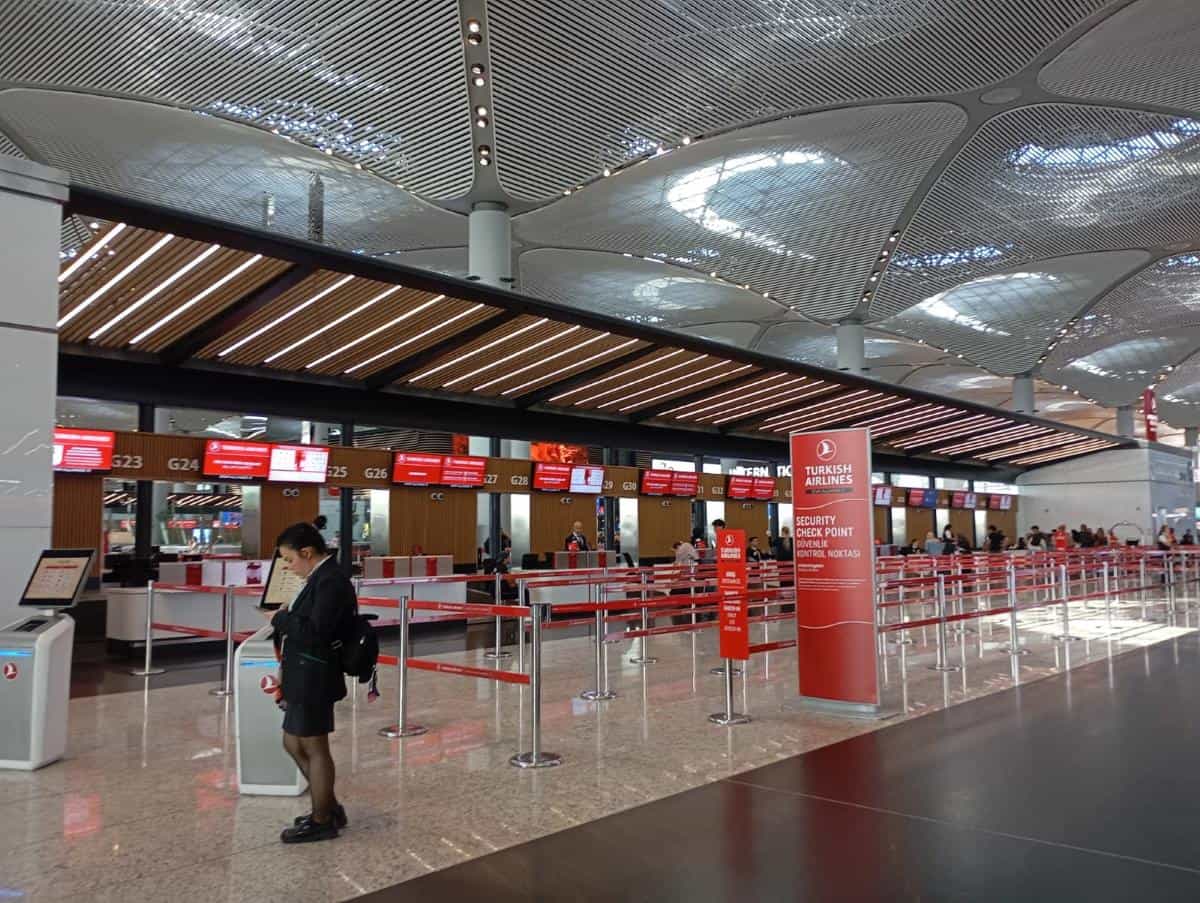
Major aviation hubs, like as Riyadh, Istanbul, and other airports, have reported significant delays and 27 cancellations, disrupting travel for customers in the Middle East. Due to operational difficulties, problems with aircraft rotation, schedule modifications, and regional airspace concerns, thousands of travelers have been impacted by the disruption. Airlines and airports, however, are still handling the situation and informing travelers of any changes to flight schedules. There were some of the biggest delays in Istanbul and Riyadh, which put further strain on connecting flights around the Middle East. Additionally, major disruptions occurred in Dubai, Jeddah, and Abu Dhabi as airlines attempted to resume regular operations and lessen the impact on travelers.
The disruption data shows that Istanbul Airport recorded the highest number of delays with 329, while Dubai International Airport reported the highest number of cancellations with 13. Other major airports, including King Khalid International Airport in Riyadh, King Abdulaziz International Airport in Jeddah, Abu Dhabi International Airport and Sharjah International Airport, also experienced delays and cancellations.
The affected airports serve as important regional and global connecting points. As a result, delays at these locations can influence onward journeys for international travellers.
Which Middle East airports recorded the highest disruptions?
The latest airport data highlights widespread pressure across several major Middle Eastern aviation hubs.
Advertisement
Advertisement
| Airport | City/Country | Delays | Cancellations |
|---|---|---|---|
| Istanbul Airport | Istanbul, Türkiye | 329 | 1 |
| Dubai International Airport | Dubai, UAE | 236 | 13 |
| King Khalid International Airport | Riyadh, Saudi Arabia | 224 | 3 |
| King Abdulaziz International Airport | Jeddah, Saudi Arabia | 188 | 2 |
| Sharjah International Airport | Sharjah, UAE | 123 | 3 |
| Abu Dhabi International Airport | Abu Dhabi, UAE | 120 | 1 |
| Ben Gurion International Airport | Tel Aviv, Israel | 114 | 2 |
| Abha Regional Airport | Abha, Saudi Arabia | 18 | 2 |
Istanbul Airport recorded the largest number of delays among all listed airports, with 329 delayed flights and one cancellation. The airport is a major connection point between Europe, Asia and the Middle East, making operational disruptions particularly significant for connecting passengers.
Dubai International Airport followed with 236 delays and 13 cancellations, representing the highest cancellation figure among the affected airports. As one of the world’s busiest international aviation hubs, disruptions at Dubai can affect both regional and long-haul travellers.
Advertisement
Advertisement
Saudi Arabia also experienced notable disruption. King Khalid International Airport in Riyadh recorded 224 delays and three cancellations, while King Abdulaziz International Airport in Jeddah reported 188 delays and two cancellations.
How were Middle East airlines affected by delays and cancellations?
Airlines operating across the region also reported varying levels of disruption. The available data shows that both Gulf carriers and international airlines faced delays and cancellations.
Advertisement
Advertisement
| Airline | Country/Region | Cancelled Flights | Cancellation Rate | Delayed Flights | Delay Rate |
|---|---|---|---|---|---|
| Saudia | Saudi Arabia | 6 | 1% | 117 | 20% |
| FlyDubai | UAE | 5 | 1% | 97 | 31% |
| Turkish Airlines | Türkiye | 1 | 0% | 284 | 17% |
| Air Arabia | UAE | 1 | 0% | 110 | 45% |
Turkish Airlines recorded the highest number of delayed flights among the listed airlines, with 284 delays and a 17% delay rate, alongside one cancellation with a 0% cancellation rate.
Saudia reported 117 delays, representing 20% of its flights, and recorded six cancellations with a 1% cancellation rate. FlyDubai experienced 97 delays at a 31% delay rate and five cancellations at a 1% cancellation rate.
Air Arabia recorded 110 delayed flights, representing the highest delay percentage among the listed airlines at 45%. The airline reported one cancellation with a 0% cancellation rate.
What cities and countries were affected by the Middle East disruption?
The disruption affected major aviation centres across several countries.
Advertisement
Advertisement
In Saudi Arabia, Riyadh, Jeddah and Abha experienced operational challenges. King Khalid International Airport in Riyadh reported 224 delays and three cancellations, while Jeddah’s King Abdulaziz International Airport recorded 188 delays and two cancellations. Abha Regional Airport reported 18 delays and two cancellations.
In the United Arab Emirates, Dubai, Sharjah and Abu Dhabi faced disruption. Dubai International Airport recorded 236 delays and 13 cancellations, making it the airport with the highest number of cancellations in the report. Sharjah International Airport experienced 123 delays and three cancellations, while Abu Dhabi International Airport reported 120 delays and one cancellation.
In Türkiye, Istanbul Airport saw the highest delay figure overall, with 329 delayed flights and one cancellation.
Meanwhile, Ben Gurion International Airport in Tel Aviv, Israel, recorded 114 delays and two cancellations, adding to the wider regional disruption picture.
| Dubai Int’l (DXB) | 1% | 1% |
| King Khalid Int’l (RUH) | — | 0% |
| Yanbu Domestic (YNB) | 60% | — |
What can affected passengers do now?
Passengers travelling through affected Middle East airports should take several steps to manage possible delays.
- Travellers should first check their latest flight status directly with their airline before leaving for the airport. Flight schedules can change quickly, especially at major connecting hubs where delays can affect later departures.
- Passengers with connecting flights should allow additional time between journeys. Airports such as Istanbul and Dubai handle large volumes of transfer passengers, meaning a delayed arrival can affect onward connections.
- Travellers affected by cancellations should contact airlines for available rebooking options. Airlines may provide alternative flights, schedule changes or further instructions depending on individual circumstances.
- Passengers should also monitor airport updates and keep digital copies of booking details, travel documents and airline communication.
Data Verification Notice
The data has been extensively curated by our editorial team using real-time aviation figures recorded on 26 September 2026 at 2:40 pm ET USA (27 September 2026, 1:55 am GST).
Primary Source: FlightAware.
Verification Protocol: All statistics have been independently reviewed and cross-checked by our human editorial desk. Timestamped records, data logs and feed snapshots are securely archived internally to support historical accuracy and editorial transparency.
Note: Real-time flight-tracking figures reflect active airspace and operational data. Minor variations may occur when compared with information displayed at individual airport terminals or airline departure gates.
We publish similar travel disruptions reports everyday. Here is the link to yesterday’s article on Middle East flights where they faced 43 cancellations and 747 delays.
Advertisement
Verified by Paramita Sarkar
