
A New Era for Athens’ Parthenon: Visit the Fully Restored Monument and Experience Ancient Greek Majesty

Published
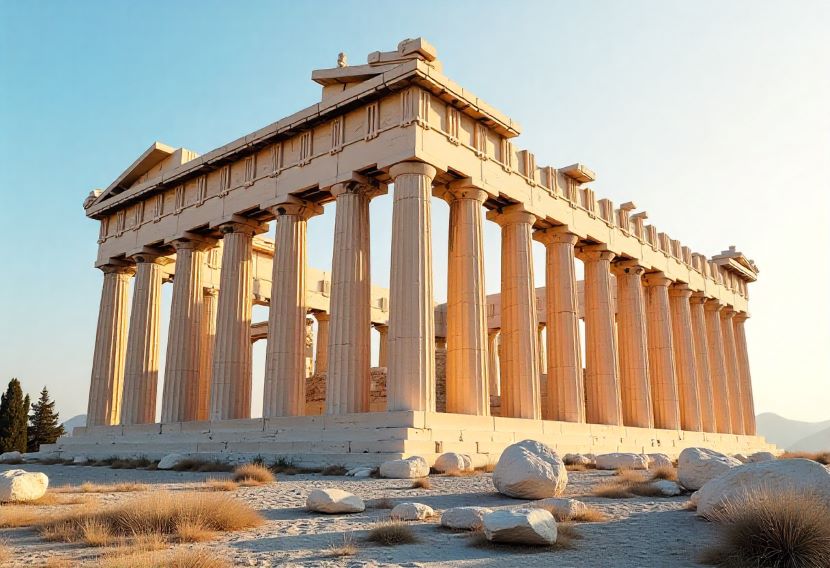
Image generated with Ai
Athens’ Parthenon, an enduring monument of ancient Greek civilization, has completed a major restoration project that has spanned over two decades. This monumental achievement marks the first time in 20 years that visitors to Athens can experience the Parthenon without the obstruction of scaffolding, offering an unobstructed view of its awe-inspiring grandeur. The comprehensive restoration effort has been driven by the Greek Ministry of Culture and Sports, with the aim of preserving this UNESCO World Heritage monument for future generations.
Restoration Success: A Triumph of Preservation
For nearly 50 years, restoration work on the Parthenon has been underway, addressing structural damage caused by natural disasters, human activity, and the ravages of time. Initiated in the 1970s and spearheaded by the Acropolis Restoration Service (YSMA), the project has involved meticulous research, engineering expertise, and collaboration with international bodies. Some of the key restoration milestones include:
Advertisement
Advertisement
- East Façade Reconstruction: Efforts to restore the east side of the Parthenon, severely damaged by an explosion in 1687, were completed between 1986 and 1990.
- North Colonnade Strengthening: In 2001, restoration work began to reinforce the north colonnade, addressing corrosion caused by iron reinforcements and rectifying previous restoration errors made in earlier years.
- Pronaos and Opisthodomos Rebuilding: Between 1995 and 2004, work on the temple’s front and rear porches was completed, including the replacement of the original frieze with replicas, ensuring a balance between authenticity and preservation.
The extensive nature of the project reflects the complexities of restoring a structure of such historical significance. Each step has been undertaken with the utmost respect for the Parthenon’s original design and materials. This painstaking work has been funded by both the Greek government and the European Union, demonstrating Greece’s commitment to cultural heritage.
A New Era for Visitors: Uninterrupted Views of the Parthenon
One of the most exciting developments for tourists is the removal of scaffolding that had shielded the Parthenon for decades. Visitors to the Acropolis now have the rare opportunity to witness the monument in its full glory, without the visual distractions of construction. The Parthenon’s clean lines, columns, and intricate carvings are now visible as they were meant to be, offering a more authentic and immersive experience.
Advertisement
Advertisement
The Future of the Parthenon: Ongoing Preservation Efforts
While the recent restoration project marks a significant achievement, the work on the Parthenon is far from over. The Greek government continues to invest in preserving this cultural treasure, with future projects planned to address areas such as the tympanum backing wall on the west pediment and the transverse walls of the cella. Ongoing conservation efforts are essential to maintaining the Parthenon’s structural integrity and ensuring that it remains standing for centuries to come.
These future projects are not only focused on preservation but also on enhancing the experience for visitors. The continued restoration of the Parthenon aligns with Greece’s broader tourism strategy to offer a world-class historical experience, highlighting the country’s rich cultural legacy.
Advertisement
Advertisement
The Parthenon’s Impact on Athens Tourism
The Parthenon continues to be a cornerstone of Athens’ tourism, attracting millions of visitors each year. As one of the most recognizable ancient structures in the world, it plays a central role in the Greek capital’s tourism economy. The fully restored monument is expected to further increase Athens’ appeal as a must-visit destination for history enthusiasts, art lovers, and travelers from across the globe.
The Greek Ministry of Culture and Sports has also made strides in improving access to the Acropolis and other archaeological sites, implementing an online ticketing system for easier entry. This move has helped streamline the visitor experience and ensure that the ancient wonders of Athens remain accessible to a global audience.
Advertisement
Advertisement
A Symbol of Ancient Greek Heritage
For those who visit the Parthenon, the monument represents more than just a historical landmark. It is a symbol of the ingenuity, creativity, and cultural significance of ancient Greece. As one of the most important temples dedicated to the goddess Athena, the Parthenon is a testament to the values of the ancient Greek civilization that continue to influence modern culture today.
The monument’s restoration is a reflection of Greece’s dedication to preserving its rich heritage while also making it accessible to the world. The Parthenon stands not only as an iconic symbol of Athens but also as a beacon of cultural preservation, reminding us of the importance of safeguarding our shared history for future generations.
How to Visit the Parthenon
For those planning a visit to Athens, the Parthenon is a must-see. It is part of the broader Acropolis complex, which includes other significant monuments like the Temple of Athena Nike and the Erechtheion. Tickets for the Acropolis and other archaeological sites can be purchased online through the official website of the Greek Ministry of Culture and Sports. The website also offers information on opening hours, special exhibitions, and visitor guidelines.
Advertisement
