
Southeast Asia Faces Heritage Loss as Tourism Cities Redevelop Historic Buildings

Updated
Published
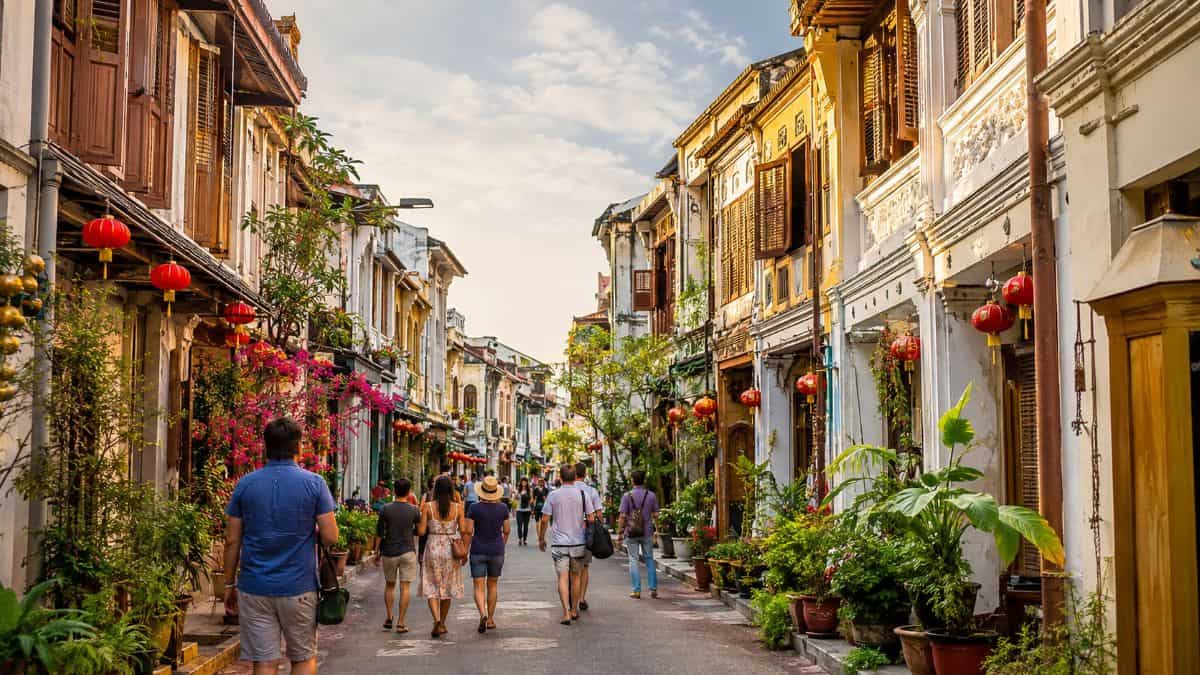
Image generated with Ai
Historic streets of Southeast Asia are the most appealing elements of the region’s travel infrastructure. They have mixes of shophouses, temples, and neighborhoods. However, there is a challenge with rapid urban redevelopment. Because of upscale tourism and an increase in tourism-related commerce, cities are changing so much that the historic environment is being altered. In some cities, historic buildings are being demolished while, in others, buildings are converted into different commerce businesses. The main issue is how cities are balancing preservation and urban change.
This issue is about the balance between experiences and services for residents, businesses, and culture, and the systems that support visitor experiences. Historic districts, like other districts in cities, serve a myriad of functions. Recent studies about a part of the historic district of Chiang Mai showed that the tourist-oriented changes resulted in more visitor-focused uses and created a greater burden and loss of resident-focused uses. In Southeast Asia, heritage preservation specialists are suggesting a greater focus on conservation and adaptive reuse of historic buildings as opposed to new construction.
Advertisement
Advertisement
Why Historic Streets Matter to Southeast Asia Travel
For international visitors, Southeast Asia’s historic neighbourhoods often provide an experience that modern commercial districts cannot easily reproduce. Narrow streets, traditional shopfronts, religious buildings, food markets and distinctive architectural details create a sense of place that becomes part of the destination’s identity.
Cities such as George Town, Singapore, Chiang Mai, Melaka and other established cultural centres have built tourism appeal around these environments. UNESCO’s recent regional work on South-East Asian heritage also emphasises the interconnected history created through trade, migration, belief systems and cultural exchange.
Advertisement
Advertisement
This makes the loss of individual buildings more significant than the disappearance of a single structure. When enough historic properties are removed, altered or surrounded by incompatible development, the character of an entire street can change.
Tourism Growth Can Create New Pressure
Tourism can generate money for historic districts, but it can also increase pressure on land and buildings. Properties in popular areas can become more valuable for hotels, restaurants, retail businesses and other visitor-oriented uses. Renovation may improve buildings physically while changing how neighbourhoods function for local communities.
Advertisement
Advertisement
Research published in 2026 on Chiang Mai’s Chang Moi district illustrates this tension. The study examined 138 shophouses and identified a transformation towards tourism-oriented activity, alongside housing loss, reduced local services and displacement pressures.
For travellers, this creates a paradox. The more successful a historic district becomes as a tourism destination, the greater the commercial incentive can be to change the very environment visitors originally came to experience.
Southeast Asia’s Heritage Development Challenge
| Travel attraction | Development pressure | Potential tourism impact |
|---|---|---|
| Historic shophouses | Redevelopment and commercial conversion | Loss of architectural character |
| Traditional neighbourhoods | Rising property values | Reduced local community presence |
| Colonial-era buildings | Structural deterioration | Safety concerns and possible closure |
| Cultural streets | Tourism-oriented businesses | More visitor services but less local identity |
| Industrial heritage | New infrastructure and land demand | Loss of historic urban stories |
The challenge is particularly complicated because preservation does not always mean leaving buildings untouched. Many historic structures require expensive structural work, upgraded services and new uses to remain viable.
Adaptive Reuse Offers a Different Path
Adaptive reuse can allow historic buildings to remain economically productive without completely removing their architectural identity. Across Southeast Asia, former government buildings, mansions and shophouses have already demonstrated how heritage structures can accommodate hotels, cultural venues, restaurants and other contemporary functions.
Singapore provides one of the region’s clearest examples of a formal conservation approach. Its Urban Redevelopment Authority says almost 100 conservation areas containing more than 7,000 buildings have received conservation status since 1989. Its historic districts include Chinatown, Kampong Glam and Little India.
Current planning guidance also allows carefully controlled redevelopment on some sites within conservation areas, showing that heritage protection and urban development do not necessarily have to be opposing objectives.
Advertisement
Advertisement
George Town Shows Why Maintenance Matters
Malaysia’s George Town demonstrates another side of the problem. Heritage buildings do not only face demolition pressures; neglect and structural deterioration can also threaten the visitor experience and public safety.
In August 2026, Penang authorities said 66 heritage buildings within the George Town World Heritage Site were poorly maintained, including 63 described as dilapidated. The comments followed a beam collapse at a pre-war building that injured two tourists. Authorities were considering stronger inspection and structural reporting requirements for heritage property owners.
At the same time, restoration projects are demonstrating the economic and cultural value of keeping historic structures alive. An RM10 million project involving eight fire-damaged shophouses in Lebuh Aceh aims to create a cultural, arts and creative-economy hub while retaining George Town’s living heritage.
What Heritage Loss Means for Travellers
For travellers, disappearing architecture can mean more than losing attractive photography locations. Historic streets often connect visitors with local food, traditional crafts, religious practices, neighbourhood businesses and stories that cannot be recreated through a newly constructed attraction.
A modern replacement may offer greater floor space or higher commercial returns, but it cannot easily reproduce the accumulated authenticity of a centuries-old streetscape.
That is why sustainable tourism increasingly requires destinations to consider the long-term value of heritage alongside short-term development gains. Recent research on historic urban tourism similarly identifies tensions between rapid renewal, commercialisation and heritage conservation.
Advertisement
Advertisement
The Future of Southeast Asia’s Historic Destinations
The region’s heritage tourism will likely depend on balancing multiple interests. Some buildings may need protection to reign in unsafe development, while other buildings lose protection and become vulnerable to development. Preserving an entire district in the past is generally a losing proposition in an urban environment that will continue to grow.
Better preservation, impact assessments, and adaptive reuse are some alternatives to wholesale removal. Singapore is using Heritage Impact Assessments for a more informed approach to built heritage.
Built heritage is an integral part of the dining experience for tourists visiting the region. As such, historic buildings should be viewed as assets in their own right. Cities can allow the right level of responsible investment without losing the drawing cards that brought tourists in the first place.
Frequently Asked Questions
Why are historic buildings important for Southeast Asia tourism?
They provide distinctive architecture, cultural identity and authentic urban experiences that attract visitors and differentiate destinations from modern city centres.
Is tourism itself responsible for heritage loss?
Advertisement
Advertisement
Tourism is not the only factor. Urban redevelopment, land values, ageing structures, commercialisation and infrastructure needs can all contribute, while tourism can intensify demand in popular districts.
What is adaptive reuse?
Adaptive reuse means giving an existing historic building a new function while retaining important architectural and cultural characteristics.
Which Southeast Asian destinations are known for historic districts?
George Town, Melaka, Singapore and Chiang Mai are among destinations where historic urban environments play an important role in tourism.
Can old buildings be made safe for tourists?
Advertisement
Advertisement
Yes, many can be strengthened and restored, although the technical requirements and cost vary considerably depending on their condition.
Why can demolition affect tourism?
Removing distinctive buildings can weaken the visual identity and cultural character that make a destination memorable.
Does conservation prevent modern development?
Not necessarily. Singapore’s planning approach demonstrates that conservation can operate alongside controlled redevelopment and adaptive reuse.
Why is George Town facing heritage maintenance concerns?
Advertisement
Advertisement
Authorities have identified poorly maintained heritage properties and are considering stronger inspection requirements following a building-related injury incident involving tourists.
Can historic buildings generate economic value?
Yes. Restored heritage buildings can support hospitality, retail, cultural activities, creative industries and tourism while retaining elements of historic character.
What should travellers look for in heritage destinations?
Travellers can support locally owned businesses, respect historic neighbourhoods, choose responsible tourism operators and value conservation efforts that keep heritage communities economically and culturally active.
Advertisement
