Image generated with Ai
Tourism in Belgium is gaining more interest in terms of the outdoors and nature-based experiences, while Wallonia accounts for the highest growth in regional terms with 7.5% annually. This is due to the rising number of tourists from Europe and within Belgium looking for short-haul trips with an emphasis on forests, rivers, cycling and farm stays. Wallonia is blessed with diverse geography that helps promote slow tourism and eco-adventure tourism. The Ardennes region and Semois Valley, as well as the surrounding area, provide tourists with opportunities for outdoor leisure, wellness, culture and accommodation. Visitors from the Netherlands, Germany and France are some of the main regional tourists who choose Wallonia for their short holiday in southern Belgium.
Wallonia covers much of southern Belgium and differs from the country’s major urban tourism centres through its forests, valleys, rivers and smaller towns.
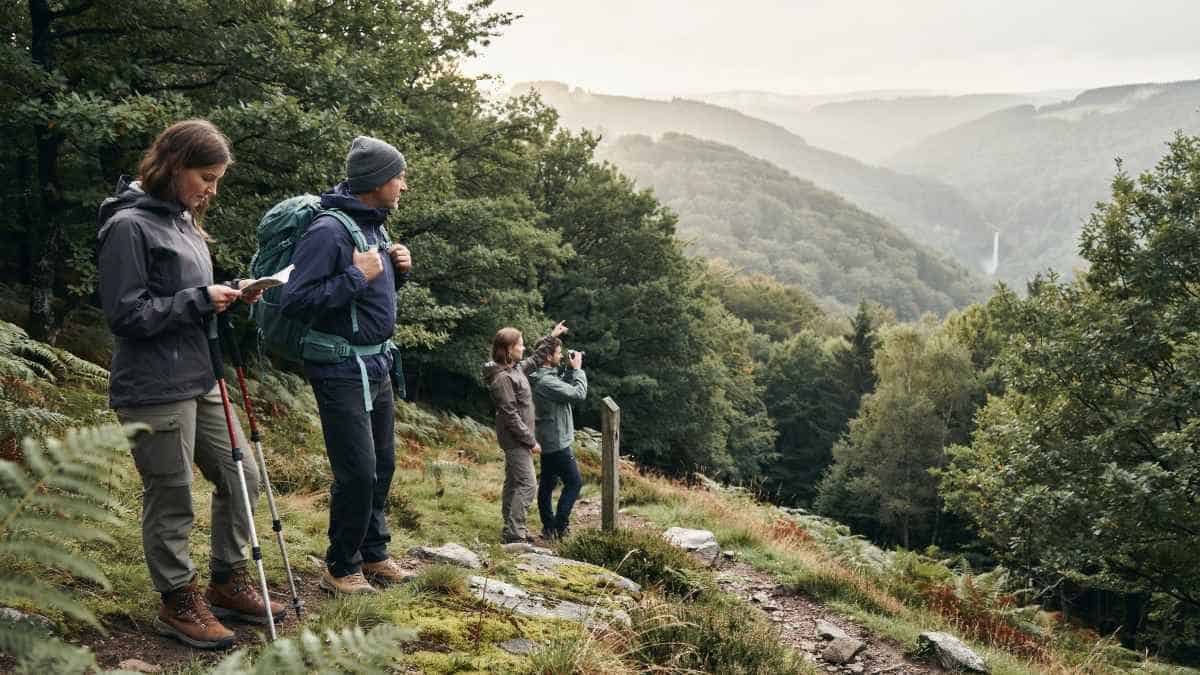
The Ardennes form the core of the region’s nature tourism offer. Forest landscapes provide settings for hiking, cycling, wildlife observation and outdoor recreation.
Visitors can build itineraries around rural accommodation and nature activities rather than concentrating on traditional city sightseeing. This has contributed to the growth of short breaks focused on outdoor experiences.
Advertisement
Advertisement
The region’s network of trails also allows travellers to explore different landscapes over several days, supporting overnight tourism in rural communities.
Cycling has become an important component of Wallonia’s outdoor tourism offer. The Ardennes provides varied terrain for road cycling, mountain biking and gravel riding.
Gravel-biking routes allow travellers to explore forest roads, rural tracks and countryside away from major urban areas. Routes can be combined with village visits, accommodation and local food experiences.
For visitors from neighbouring countries, the Ardennes is accessible for weekend and short-duration cycling trips. Travellers can transport bicycles by car or use regional rail connections where available before continuing into rural areas.
The combination of cycling and accommodation creates multi-day itineraries that distribute visitor spending across different parts of the region.
The Semois River is one of Wallonia’s prominent natural tourism areas. Its valleys and surrounding forests provide opportunities for hiking, kayaking, cycling and scenic exploration.
Glamping accommodation along the Semois has added another option for visitors seeking outdoor stays with additional comfort. These properties allow travellers to remain close to the natural environment while using accommodation designed for overnight leisure travel.
The river landscape also provides opportunities for photography and nature observation. Visitors can combine outdoor activities with exploration of nearby villages and countryside.
Wellness tourism is becoming increasingly connected with Wallonia’s nature-based visitor economy. Forest retreats provide accommodation and experiences focused on relaxation within wooded landscapes.
Visitors can combine wellness stays with walking, hiking and other low-impact outdoor activities. The forest environment provides a setting for short breaks that can be organised around relaxation rather than intensive sightseeing.
The growth of wellness accommodation also broadens Wallonia’s tourism offer beyond adventure activities, creating options for couples, families and travellers seeking quieter rural holidays.
The expansion of slow travel in Wallonia reflects growing demand for shorter journeys and longer stays within individual destinations. Travellers can spend several nights in one rural area while exploring nearby trails, villages and natural attractions.
This approach differs from itineraries based on visiting multiple major cities within a short period. Instead, visitors can use one accommodation base and explore the surrounding landscape through walking, cycling and local excursions.
Wallonia’s proximity to France, Germany and the Netherlands makes this type of travel particularly accessible for regional visitors.
The Netherlands, Germany and France are geographically close to Wallonia, allowing travellers from these markets to reach the region relatively easily.
Visitors from the Netherlands can travel south into Belgium for cycling and nature breaks, while German travellers can access the Ardennes through established road and regional transport networks. French visitors can reach Wallonia from neighbouring regions in northern and eastern France.
The cross-border nature of this visitor market supports short-break tourism throughout the year, with demand varying according to outdoor activity and seasonal conditions.
Wallonia’s growth forms part of a broader Belgian tourism landscape that includes urban, cultural and coastal destinations.
Brussels remains a major international tourism centre, with attractions including historic architecture, museums, restaurants and cultural institutions. Bruges, Ghent and Antwerp provide additional city tourism experiences.
Wallonia adds a rural and outdoor dimension to the national tourism offer. Travellers can therefore combine urban sightseeing with several days in the countryside.
A visitor arriving in Brussels, for example, can continue into Wallonia by rail or road and build an itinerary around the Ardennes and Semois Valley.
Visitors planning outdoor holidays in Wallonia can choose between hotels, guesthouses, campsites, glamping properties and rural accommodation.
Cyclists and hikers can select accommodation based on proximity to established trails, while wellness travellers can focus on forest properties and retreats.
Car travel provides convenient access to more remote parts of the Ardennes, while rail services connect major Belgian cities with regional centres. Local transport or organised transfers may be required for destinations deeper within rural areas.
Planning is particularly useful for travellers combining outdoor activities with accommodation in smaller communities.
The growth of Wallonia in 7.5% per year indicates the increasing importance of eco-tourism in the tourism industry in Belgium. Well-being activities in the forest, camping in the Semois and gravel biking in the Ardennes are the types of tourism that provide tourists from Belgium and other European countries with a unique experience. The proximity of Wallonia to such countries as France, Germany and the Netherlands makes it possible for tourists to visit it through short trips, while forests, rivers and landscapes can serve as places to spend their holidays for more time.
Advertisement
Tags: Ardennes, Ardennes cycling, Ardennes tourism, Belgian countryside travel, Belgium adventure travel
Advertisement
Advertisement













Friday, September 4, 2026
Friday, September 4, 2026
Friday, September 4, 2026

Thursday, September 3, 2026

Wednesday, September 2, 2026

Friday, September 4, 2026

Friday, September 4, 2026