
Hundreds of Travelers Affected Around Asia as 3,657 Flights Delayed and 224 Canceled at Hanoi, Manila and More Airports

Updated
Published
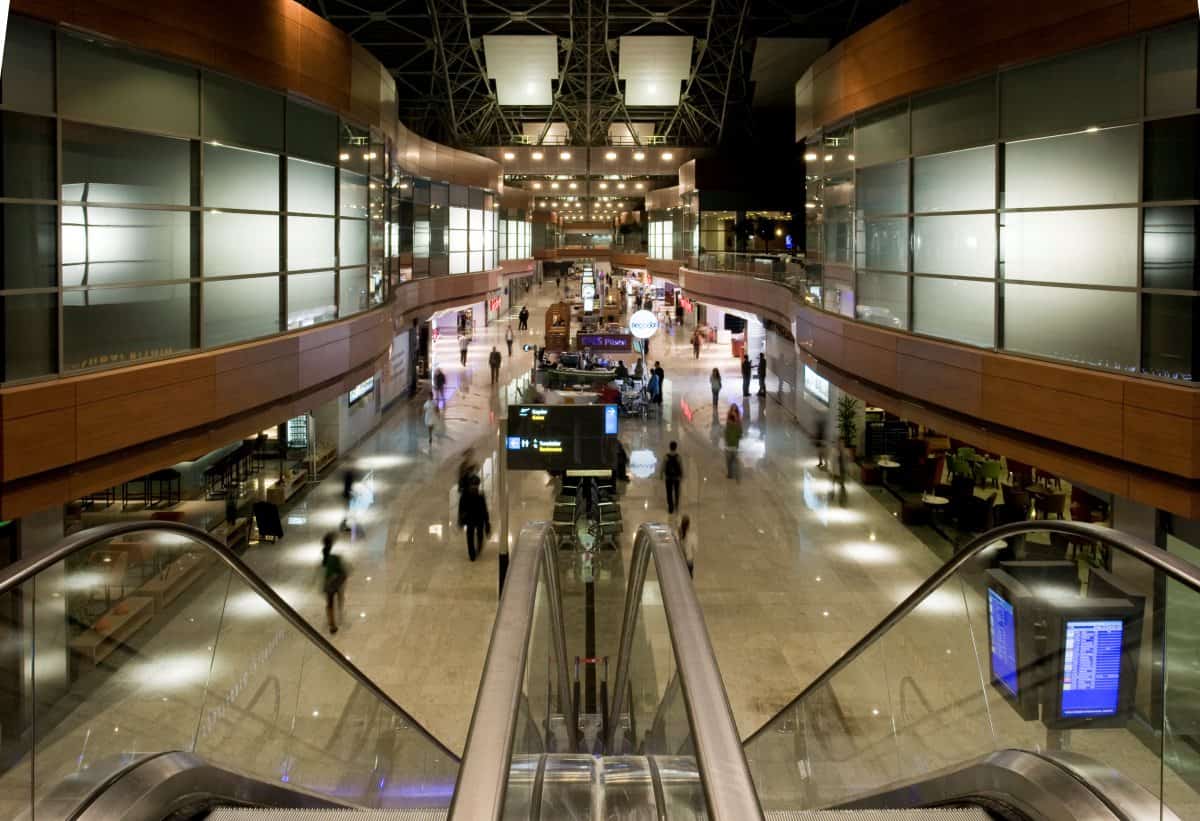
Due to significant operational issues, 3,657 flights were delayed and 224 were canceled at airports in Hanoi, Manila, and other locations, impacting hundreds of travelers around Asia. Major aviation hubs, such as crowded airports in Vietnam, China, India, and Indonesia, have been affected by the interruption. High passenger demand, airport traffic, problems with aircraft scheduling, and regional operational delays all put pressure on airlines. Travelers with connecting flights and domestic travel experienced concern due to major gateways’ notable delays. Passengers are urged to keep an eye on developments and be ready for any schedule modifications while airlines continue to handle the situation. The interruptions show how Asia’s aviation network is under increasing strain.
Which Airports in Asia Faced the Highest Number of Flight Delays and Cancellations?
Vietnam experienced some of the strongest disruption levels among Asian aviation markets. Tan Son Nhat International Airport recorded 323 delays and 3 cancellations, making it the most affected airport by delays in the latest data. Noi Bai International Airport recorded 253 delays and 5 cancellations, adding further pressure to Vietnam’s aviation network.
China also recorded major operational challenges across several airports. Guangzhou Baiyun International Airport reported 260 delays and 4 cancellations, while Shanghai Pudong International Airport recorded 228 delays and 4 cancellations. Other major Chinese airports affected included Beijing Capital International Airport with 108 delays and 9 cancellations, Beijing Daxing International Airport with 103 delays and 7 cancellations, Chengdu Tianfu International Airport with 99 delays and 6 cancellations, and Xi’an Xianyang International Airport with 86 delays and 4 cancellations.
India’s aviation network also faced disruption. Indira Gandhi International Airport in Delhi recorded 264 delays and 7 cancellations, while Pune Airport reported 35 delays and 3 cancellations. Other Indian airports affected included Jaipur International Airport with 8 delays and 6 cancellations and Cochin International Airport with 36 delays and 2 cancellations.
Advertisement
Advertisement
Indonesia remained one of the most affected aviation markets. Jakarta Soekarno-Hatta International Airport recorded 259 delays and 26 cancellations, the highest cancellation figure among the listed airports. Other Indonesian airports affected included Juanda International Airport with 95 delays and 6 cancellations, Sultan Hasanuddin International Airport with 106 delays and 5 cancellations, and Kuala Namu International Airport with 36 delays and 2 cancellations.
Why Are Flights across Asia Experiencing Major Disruptions?
The current disruption pattern across Asia has been influenced by multiple operational pressures affecting airports and airlines.
Advertisement
Advertisement
Indonesia has faced serious aviation challenges linked to volcanic activity, particularly from Mount Anak Krakatau volcanic ash, which has previously forced airport closures and disrupted thousands of flights. Volcanic ash is considered a major aviation hazard because it can damage aircraft engines and create unsafe flying conditions.
The impact was reflected at Jakarta Soekarno-Hatta International Airport, where airlines experienced both delays and cancellations. Indonesia’s aviation sector also saw disruption among several carriers, including Batik Air with 22 cancellations and 71 delays, Citilink with 4 cancellations and 59 delays, and Garuda Indonesia with 1 cancellation and 55 delays.
Beyond natural events, high passenger demand, aircraft rotation delays, air traffic congestion and airport capacity pressure have also contributed to the disruption levels across major Asian hubs.
China Aviation Network Faces Heavy Delay Pressure
China recorded some of the highest airline disruption numbers in the region.
China Southern Airlines experienced 342 delayed flights with a 14% delay rate, making it the airline with the highest number of delays in the provided data. China Eastern Airlines recorded 306 delays and 21 cancellations, while Air China reported 144 delays and 17 cancellations.
Other Chinese carriers also faced operational pressure. China Express Airlines recorded 108 delays with a 24% delay rate, Shenzhen Airlines recorded 123 delays and 2 cancellations, and Sichuan Airlines reported 103 delays and 1 cancellation.
Advertisement
Advertisement
Airport congestion across major Chinese aviation centres contributed to delays, particularly at large international gateways handling high volumes of domestic and international traffic.
India Sees Significant Airline and Airport Disruptions
India’s aviation sector also experienced widespread delays, led by major carriers.
IndiGo recorded 290 delayed flights and 12 cancellations, making it one of the most affected airlines in Asia. Air India reported 107 delays and 1 cancellation, while Akasa Air recorded 11 delays and 4 cancellations.
SpiceJet recorded 34 delays and 5 cancellations, with a delay rate of 46%, one of the highest percentages among the listed airlines.
Indian airports including Delhi, Pune, Jaipur and Kochi experienced operational pressure as airlines managed high passenger volumes and changing flight schedules.
| Airport (IATA) | Country/Region | Cancelled % — Origin (assumed block 1) | Cancelled % — Destination (assumed block 2) |
|---|---|---|---|
| Abha Regional (AHB) | Saudi Arabia | 5% | 5% |
| Guangzhou Baiyun Int’l (CAN) | China | — | 0% |
| Jakarta-Soekarno-Hatta Int’l (CGK) | Indonesia | 2% | 1% |
| Cochin Int’l (COK) | India | — | 2% |
| Chengdu Shuangliu Int’l (CTU) | China | 0% | 1% |
| Da Nang Int’l (DAD) | Vietnam | — | 1% |
| Indira Gandhi Int’l (DEL) | India | — | 0% |
| Dubai Int’l (DXB) | UAE | 1% | — |
| Gizan Regional (GIZ) | Saudi Arabia | 80% | 66% |
| Haikou Meilan Int’l (HAK) | China | 2% | 3% |
| Noi Bai Int’l (HAN) | Vietnam | 0% | 0% |
| Hefei Xinqiao Airport (HFE) | China | 1% | 1% |
| Hangzhou Xiaoshan Int’l (HGH) | China | 0% | 0% |
| Jaipur (Sanganer) (JAI) | India | 6% | 8% |
| King Abdulaziz Int’l (JED) | Saudi Arabia | 1% | 1% |
| Nanchang Changbei Int’l (KHN) | China | 1% | 1% |
| Kunming Changshui Int’l (KMG) | China | 0% | — |
| Kuala Namu International (KNO) | Indonesia | — | 2% |
| Manila Int’l (MNL) | Philippines | — | 0% |
| Beijing Capital Int’l (PEK) | China | 0% | 0% |
| Beijing Daxing International Airport (PKX) | China | 0% | 0% |
| Pune / Lohegaon Air Force Base (PNQ) | India | — | 1% |
| Shanghai Pudong Int’l (PVG) | China | 0% | — |
| Yangon Int’l (RGN) | Myanmar | 4% | — |
| King Khalid Int’l (RUH) | Saudi Arabia | 1% | 1% |
| Tan Son Nhat Int’l (SGN) | Vietnam | 0% | — |
| Juanda Int’l (SUB) | Indonesia | 1% | 2% |
| Jieyang Chaoshan International Airport (SWA) | China | 1% | — |
| Chengdu Tianfu Int’l (TFU) | China | 0% | 0% |
| Ben Gurion Int’l (TLV) | Israel | 0% | — |
| Tianjin Binhai Int’l (TSN) | China | — | 1% |
| Sultan Hasanuddin Int’l (UPG) | Indonesia | 1% | 1% |
| Wuhan Tianhe (WUH) | China | 1% | 1% |
| Wuxi (WUX) | China | 1% | — |
| Xi’an Xianyang Int’l (XIY) | China | 0% | 0% |
| Yakutsk (YKS) | Russia — Asian part | 42% | — |
| Yanbu Domestic (YNB) | Saudi Arabia | 60% | 60% |
| Zhanjiang Wuchuan International Airport (ZHA) | China | 6% | — |
Which Airlines Were Most Affected Across Asia?
Several airlines across Asia recorded significant disruptions.
Advertisement
Advertisement
China Southern Airlines recorded 342 delays, followed by China Eastern Airlines with 306 delays and IndiGo with 290 delays. Vietnam Airlines reported 159 delays and 5 cancellations, while Air China experienced 144 delays and 17 cancellations.
Other affected carriers included:
- AirAsia: 79 delays and 3 cancellations with a 16% delay rate.
- Airblue: 9 delays and 3 cancellations with a 19% delay rate.
- All Nippon Airways: 80 delays and 1 cancellation.
- Emirates: 70 delays and 1 cancellation.
- FlyDubai: 56 delays and 2 cancellations.
- Saudia: 82 delays and 23 cancellations.
- Malindo Air: 62 delays and 3 cancellations.
- Mandarin Airlines: 42 delays and 2 cancellations.
- Myanmar National Airlines: 2 delays and 2 cancellations.
- US-Bangla Airlines: 31 delays and 2 cancellations.
- Uzbekistan Airways: 22 delays and 2 cancellations.
- Yakutia Airlines: 3 delays and 3 cancellations, with both delays and cancellations representing 42%.
What Can Passengers Do Amid Ongoing Flight Disruptions?
Passengers affected by delays and cancellations should take several steps to reduce inconvenience.
- Travellers should first check their flight status through official airline websites, airport platforms and airline mobile applications before travelling to the airport. Flight schedules can change quickly during periods of operational disruption.
- Passengers whose flights have been cancelled should immediately contact their airline for alternative arrangements.
- Airlines may provide options including rebooking, refunds, travel credits or other support depending on the reason for disruption.
- Travellers should also keep booking confirmations, boarding passes and identification documents ready when requesting assistance.
- Maintaining flexible travel plans can help passengers manage unexpected changes.
Data Verification Notice
The data has been extensively curated by our editorial team using real-time aviation figures recorded on 10 September 2026 at 3:39 pm ET USA (10 September 2026, 11:40 pm GST).
Primary Source: FlightAware.
Verification Protocol: All statistics have been independently reviewed and cross-checked by our human editorial desk. Timestamped records, data logs and feed snapshots are securely archived internally to support historical accuracy and editorial transparency.
Note: Real-time flight-tracking figures reflect active airspace and operational data. Minor variations may occur when compared with information displayed at individual airport terminals or airline departure gates.
Stay updated with the latest Asia flight cancellation news and travel disruption alerts through our daily aviation coverage, bringing real-time insights into global flight changes and passenger impacts.
Advertisement
Verified by Tuhin Sarkar
