
Bulgaria Tourism Targets Greener Mountain Travel Across Rila and Pirin

Published
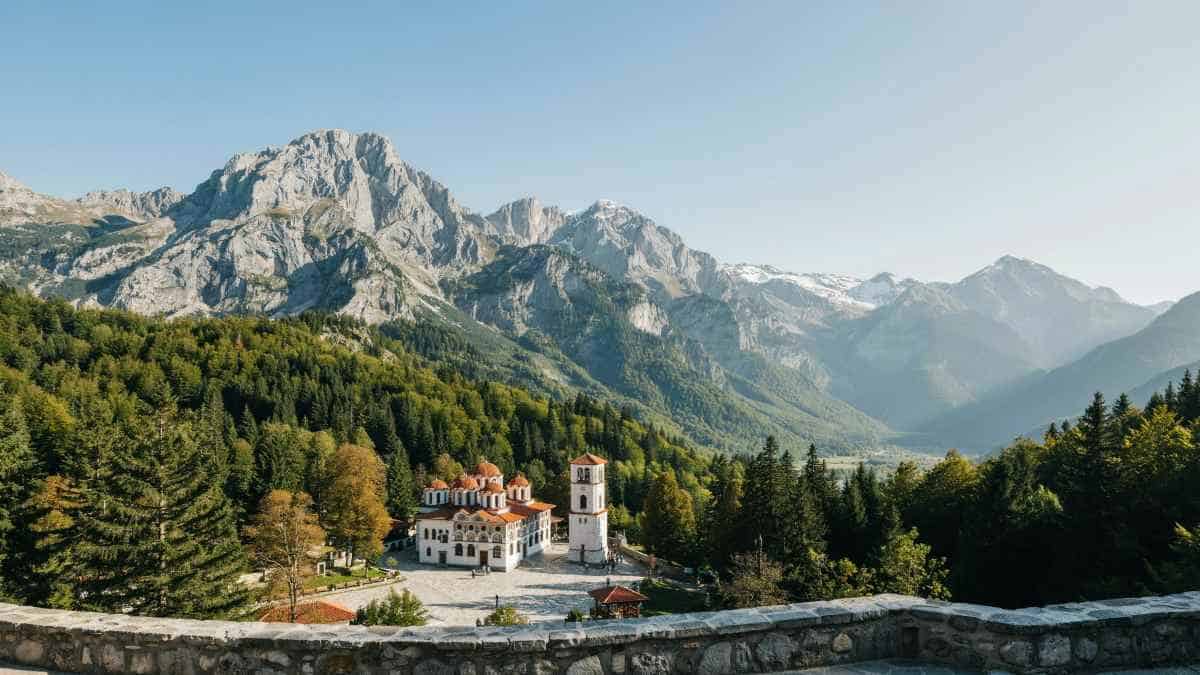
Bulgaria’s mountain tourism sector is placing increasing attention on sustainable access, protected landscapes and lower-impact travel as visitors continue to explore the country’s Rila and Pirin ranges. The two mountain regions are among Bulgaria’s most important destinations for hiking, nature tourism and outdoor recreation. Their appeal comes from high peaks, glacial lakes, forests and extensive marked trails, but growing visitor interest also creates pressure on sensitive ecosystems. Rila National Park and Pirin National Park are protected areas where tourism activity must operate alongside conservation requirements. For Bulgaria tourism, managing that balance is becoming increasingly important as the country promotes nature-based experiences to domestic and international travellers.
Rila Lakes Remain a Major Tourism Attraction
The Seven Rila Lakes are among Bulgaria’s best-known natural attractions and one of the most recognisable mountain destinations in the country.
The glacial lake system sits in the north-western part of the Rila Mountains, attracting hikers during the warmer months. Visitors commonly reach the area from the Panichishte and Sapareva Banya side before continuing towards the mountain routes.
The landscape combines alpine scenery with exposed mountain terrain, making the area particularly attractive for walking, photography and outdoor recreation.
Advertisement
Advertisement
Its popularity, however, means that visitor behaviour remains important. Staying on established paths, carrying waste away and following local park regulations are central to reducing pressure on the surrounding environment.
Rila National Park Protects a Wider Alpine Landscape
The Rila Lakes form only one part of a much larger protected landscape.
Advertisement
Advertisement
Rila National Park was established in 1992 to conserve the natural environment of the Rila Mountains along with traditions and livelihoods connected to local communities.
The park contains extensive forests, alpine meadows, rivers and high-altitude habitats. Its network of hiking routes gives visitors access to some of Bulgaria’s most dramatic mountain scenery.
The park authority continues to manage activities within the protected area, including conservation, monitoring and regulation of different uses of the landscape.
For visitors, this means that mountain tourism is not simply about reaching a viewpoint or lake. Access takes place within an actively managed protected environment.
Pirin Offers Another Major Mountain Gateway
Further south, Pirin National Park provides another major base for Bulgaria’s growing nature tourism market.
Bansko is one of the principal gateways to the park and provides access towards several mountain huts and hiking routes. Dobrinishte and other settlements also connect visitors with different sections of the Pirin landscape.
Advertisement
Advertisement
Official park information lists numerous routes through the mountains, including paths linking Vihren Hut, Banderitsa, Demyanitsa and other mountain areas.
Pirin’s high-altitude landscape includes rocky peaks, glacial lakes and mountain valleys, creating a different experience from the forested areas around some sections of Rila.
Lower-Impact Transport Is Becoming More Relevant
Transport is increasingly important to Bulgaria’s wider sustainable tourism strategy.
In September 2026, Bulgaria’s Ministry of Tourism and Ministry of Transport and Communications launched a joint campaign promoting the country through railway travel. The initiative uses Bulgarian State Railways services to connect tourism promotion with public transport and highlight destinations that can be reached by rail.
The wider push towards modern electric rail infrastructure also supports the country’s effort to make transport more efficient.
Although rail services do not reach the high-altitude trailheads inside Rila or Pirin, travellers can use rail connections as part of a broader journey towards mountain gateways such as Blagoevgrad, followed by road or local transport.
Advertisement
Advertisement
Bansko and Blagoevgrad Support Pirin Access
Blagoevgrad is an important regional transport centre for travellers heading towards Pirin and surrounding mountain destinations.
Bansko, located closer to the national park, provides accommodation, restaurants, mountain services and transport connections for hikers.
Travellers arriving from Sofia can reach the region by road, while bus and rail combinations can be used for parts of the journey. The final approach to mountain trailheads generally requires local road transport.
For international visitors, Sofia Airport remains the main aviation gateway for many trips into western Bulgaria.
Sustainable Tourism Depends on Visitor Behaviour
Protecting Rila and Pirin is not limited to transport policy.
Waste management, responsible hiking, controlled access and respect for wildlife are equally important to the long-term health of the protected landscapes.
Advertisement
Advertisement
Mountain visitors are encouraged to remain on marked trails and avoid damaging vegetation or disturbing wildlife. Carrying reusable water bottles, reducing disposable packaging and taking rubbish back out of the mountains can also reduce the environmental burden associated with outdoor recreation.
These practices become increasingly significant when visitor numbers rise during peak hiking periods.
Bulgaria Builds Its Nature Tourism Appeal
Rila and Pirin are central to Bulgaria’s ambitions to expand nature-based tourism while protecting some of the country’s most valuable landscapes. The combination of improved transport promotion, established national park management and growing interest in outdoor experiences gives Bulgaria an opportunity to develop mountain tourism without placing unnecessary pressure on fragile alpine environments. For travellers, the appeal remains straightforward: dramatic peaks, glacial lakes, forests and hiking routes within two of the country’s most important protected mountain regions.
Advertisement
