
Tourism Department and ASI Join Forces for Major Heritage Revamp

Published
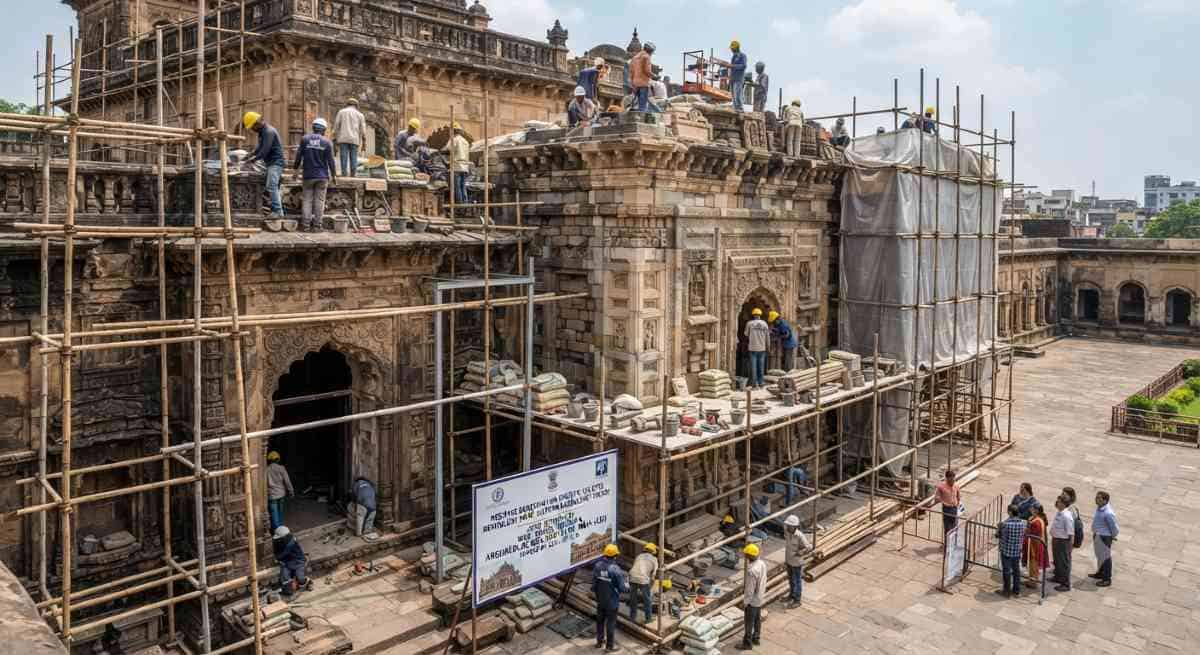
Image generated with Ai
A comprehensive developmental initiative has been officially launched through a collaborative agreement between the tourism department and the Archaeological Survey of India (ASIAN) to structurally revamp 135 heritage sites. This monumental partnership aims to breathe new life into historical monuments, architectural landmarks, and cultural assets that have long defined the identity of the region. Historical conservation efforts in the past have often faced bureaucratic delays and funding bottlenecks, but this current policy framework is designed to bridge structural gaps through coordinated institutional support. The strategic intervention intends to safeguard decaying structures while simultaneously expanding the cultural tourism footprint across various districts. By leveraging expert archaeological supervision alongside state-backed implementation strategies, a robust mechanism is established to protect historical treasures from environmental degradation and urban encroachment.
Impact on Travellers and Tourism Experience
Advertisement
Advertisement
Enhanced infrastructure and structural restorations are expected to significantly elevate visitor engagement across multiple cultural corridors. Modern tourists seek immersive, well-maintained destinations that offer seamless accessibility, clean surroundings, and reliable interpretive services. Under this expansive rehabilitation program, visitors will encounter upgraded amenities, better pedestrian pathways, informative signage, and digital integration that aids historical exploration. Travel itineraries are being redesigned to incorporate these revitalized locations into cohesive tourism circuits, thereby encouraging longer stays and deeper cultural appreciation. Furthermore, the systematic management of visitor traffic is anticipated to reduce congestion at historically sensitive locations, ensuring that ecological and structural preservation is maintained without compromising public access.
Industry Insights and Economic Implications
Advertisement
Advertisement
From an industry perspective, the comprehensive overhaul of 135 heritage sites represents a major catalyst for regional economic growth and hospitality expansion. Travel sector stakeholders, local vendors, boutique hoteliers, and tour operators stand to benefit immensely from the increased influx of both domestic and international travelers. Cultural tourism generates substantial indirect employment, ranging from certified local guides and artisan-craft producers to transportation networks and food service providers. Investment in heritage preservation is increasingly recognized as a sustainable financial model that yields high long-term dividends by positioning historical regions as premier global cultural hubs. Industry analysts note that strategic collaborations between state departments and federal archaeological bodies create a multiplier effect, encouraging private sector participation in hospitality and infrastructure development.
Advertisement
Advertisement
Practical Information for Implementation
Execution plans involve meticulous phased restorations, architectural stabilization, and the deployment of advanced conservation technologies to protect fragile materials. State funds are channeled directly into structural repairs, lighting enhancements, security installations, and visitor facilitation centers. Maintenance protocols are established to ensure that every monument undergoes regular inspections and upkeep following its initial renovation phase. Travelers and tour operators are advised to monitor official tourism portal updates regarding temporary closures of specific zones during active restoration phases. Coordination committees comprising state officials and archaeological experts have been formed to monitor progress timelines, compliance standards, and budgetary allocations, ensuring transparency and accountability throughout the project lifecycle.
Comparison with Previous Policies and Developments
Advertisement
Advertisement
Earlier preservation frameworks often operated in functional isolation, characterized by fragmented jurisdiction between local administrative bodies and central conservation authorities. Previous initiatives frequently suffered from inconsistent resource distribution, leading to protracted restoration timelines and incomplete project execution. In contrast, the current collaborative model between the tourism department and the ASIAN establishes a unified administrative command structure designed to fast-track approvals and streamline resource utilization. Unlike legacy policies that focused predominantly on isolated structural repairs, the modern developmental paradigm integrates heritage conservation with regional tourism marketing, river tourism enhancement, and circuit-based travel planning. This progressive shift ensures that historical landmarks are not merely preserved as static relics, but are actively integrated into a dynamic, visitor-friendly ecosystem that drives sustainable cultural tourism forward.
Advertisement
