
Vietnam Climbs Global Tourism Rankings as Heritage, Connectivity and Smart Travel Growth Boost Its Global Appeal: All You Need to Know

Published
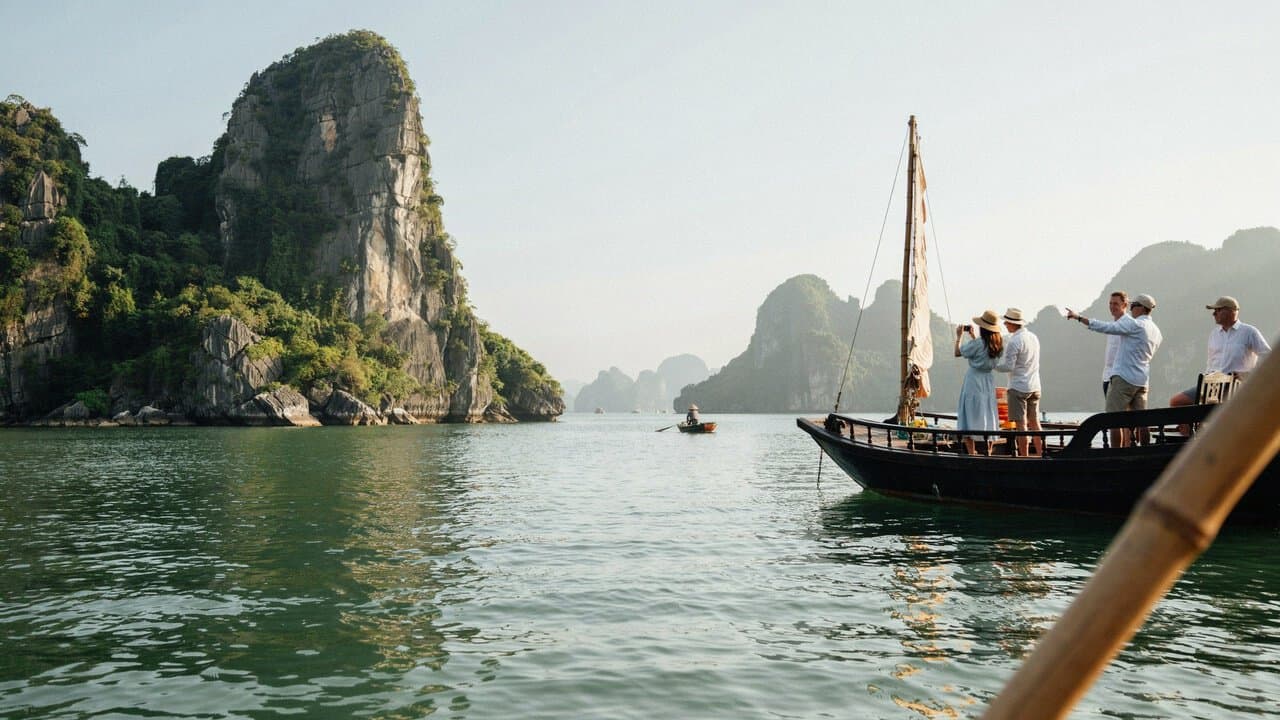
Vietnam is gaining stronger recognition on the global tourism map as improvements in travel infrastructure, destination development and visitor experiences continue to reshape its international appeal. The country has become one of Southeast Asia’s most discussed destinations, attracting travellers with its historic cities, natural landscapes, coastal escapes and unique cultural identity.
The country’s position in the global Travel & Tourism Development Index highlights the increasing importance of Vietnam’s tourism sector and its efforts to build a more competitive travel ecosystem. The index evaluates countries based on multiple factors, including infrastructure, business conditions, sustainability, safety, cultural resources and tourism policies.
Vietnam was ranked 59th among 119 economies in the World Economic Forum’s Travel & Tourism Development Index 2024, with a score of 3.96 out of 7. The ranking reflected both Vietnam’s tourism strengths and areas requiring further improvement, particularly tourism services and infrastructure.
The country continues to focus on transforming its tourism sector into a more sustainable, diverse and globally competitive industry.
Advertisement
Advertisement
Vietnam’s Tourism Development Gains International Attention
Vietnam’s tourism growth has been driven by a combination of natural attractions, cultural heritage, improved accessibility and increasing global awareness.
The country offers travellers a wide range of experiences, including:
Advertisement
Advertisement
| Tourism Segment | Vietnam’s Major Strengths |
|---|---|
| Heritage Tourism | Ancient cities, historical sites and UNESCO-listed attractions |
| Nature Tourism | Mountains, caves, forests and coastal landscapes |
| Beach Tourism | Long coastlines with destinations such as Da Nang and Nha Trang |
| Food Tourism | World-famous Vietnamese cuisine and street food culture |
| Adventure Tourism | Trekking, cave exploration and outdoor activities |
| Luxury Tourism | High-end resorts and premium coastal experiences |
Vietnam’s official tourism promotion platform highlights destinations across the country, from northern mountain regions to southern coastal cities, offering travellers diverse experiences beyond traditional sightseeing.
Hanoi and Ho Chi Minh City Drive Vietnam’s International Travel Growth
Hanoi Connects Heritage With Modern Travel Experiences
Vietnam’s capital city Hanoi remains one of the country’s most important tourism gateways. The city combines centuries-old traditions with modern urban experiences.
Advertisement
Advertisement
Major attractions include:
| Destination | Visitor Experience |
|---|---|
| Old Quarter | Traditional streets, shopping and local culture |
| Ho Chi Minh Mausoleum Area | Historical and national landmarks |
| Temple of Literature | Ancient Vietnamese education heritage |
| Hoan Kiem Lake | Cultural centre of the city |
Hanoi attracts travellers seeking history, architecture, cuisine and authentic local experiences.
Ho Chi Minh City Expands Urban Tourism Opportunities
Ho Chi Minh City represents Vietnam’s modern economic centre and provides visitors with a combination of history, entertainment and contemporary lifestyle experiences.
Key attractions include:
Advertisement
Advertisement
- War Remnants Museum
- Ben Thanh Market
- Notre-Dame Cathedral Basilica area
- Saigon River experiences
- Modern shopping and dining districts
The city also acts as an important international gateway connecting Vietnam with major markets across Asia and beyond.
Ha Long Bay and UNESCO Heritage Sites Remain Global Tourism Magnets
Vietnam’s natural and cultural heritage continues to be one of its strongest tourism advantages.
Ha Long Bay Attracts Global Travellers With Iconic Landscapes
Ha Long Bay remains among Vietnam’s most recognised destinations due to its limestone islands, emerald waters and cruise experiences.
Visitors can enjoy:
- Overnight cruises
- Kayaking
- Island exploration
- Cave visits
- Scenic photography
The destination represents Vietnam’s ability to combine nature conservation with tourism experiences.
Hoi An Preserves Vietnam’s Cultural Identity
The ancient town of Hoi An continues to attract international visitors through its preserved architecture, lantern festivals and riverside atmosphere.
Advertisement
Advertisement
Travellers visit Hoi An for:
- Historic streets
- Traditional crafts
- Local cuisine
- Cultural festivals
- Tailor-made clothing experiences
The destination demonstrates Vietnam’s growing strength in heritage tourism.
Da Nang and Coastal Destinations Expand Vietnam’s Beach Tourism Appeal
Vietnam’s coastline has become a major attraction for international travellers looking for relaxation and premium experiences.
Da Nang has developed into one of the country’s leading coastal destinations, offering:
| Attraction | Tourism Appeal |
|---|---|
| My Khe Beach | Coastal leisure |
| Marble Mountains | Nature and spirituality |
| Ba Na Hills | Entertainment and mountain tourism |
| Son Tra Peninsula | Wildlife and scenic landscapes |
Other destinations such as Nha Trang, Phu Quoc and Mui Ne continue attracting visitors with beaches, resorts and water-based activities.
Vietnam’s Tourism Ranking Reflects Both Progress and Future Opportunities
While Vietnam has improved its global tourism reputation, the development index also highlights areas where further investment can strengthen competitiveness.
Advertisement
Advertisement
| Tourism Development Area | Current Opportunity |
|---|---|
| Transport Infrastructure | Expanding connections between regions |
| Tourism Services | Improving visitor facilities |
| Sustainability | Protecting natural and cultural assets |
| Digital Tourism | Enhancing smart travel solutions |
| Skilled Workforce | Developing tourism expertise |
The Travel & Tourism Development Index measures broader tourism development capacity rather than only visitor numbers. It examines how effectively destinations create conditions for long-term tourism growth.
Vietnam Strengthens Regional Tourism Connections Across Southeast Asia
Vietnam’s rise is also connected with wider Southeast Asian tourism growth. The country competes and collaborates with destinations including Thailand, Malaysia, Indonesia, Singapore and Cambodia.
The region has become one of the world’s most dynamic travel markets due to:
- Growing international flight networks
- Expanding middle-class travel demand
- Increased cultural tourism interest
- Improved tourism infrastructure
Vietnam’s location provides strategic advantages, allowing travellers to combine the country with multi-destination Southeast Asian journeys.
Improved Air Connectivity Supports Vietnam’s Global Travel Expansion
International connectivity has played a major role in Vietnam’s tourism development.
Major aviation gateways include:
Advertisement
Advertisement
| Airport | Location | Importance |
|---|---|---|
| Noi Bai International Airport | Hanoi | Northern Vietnam gateway |
| Tan Son Nhat International Airport | Ho Chi Minh City | Main southern gateway |
| Da Nang International Airport | Da Nang | Central Vietnam tourism hub |
| Phu Quoc International Airport | Phu Quoc | Island tourism gateway |
Better international links have helped Vietnam attract visitors from Asia, Europe, Australia and North America.
Vietnam’s Future Tourism Strategy Focuses on Sustainable Growth
Vietnam is increasingly moving towards a tourism model focused on quality, sustainability and longer visitor experiences.
Future development priorities include:
- Expanding regional tourism products
- Improving infrastructure
- Promoting eco-tourism
- Developing luxury travel
- Increasing digital tourism services
- Encouraging longer international stays
The country’s tourism vision aims to balance visitor growth with environmental protection and local community benefits.
Frequently Asked Questions
1. Why is Vietnam becoming a popular global travel destination?
Vietnam is attracting more travellers because of its combination of natural landscapes, cultural heritage, affordable experiences, cuisine and improving tourism infrastructure.
2. Which Vietnamese destinations should international travellers visit?
Popular destinations include Hanoi, Ho Chi Minh City, Ha Long Bay, Hoi An, Da Nang, Nha Trang and Phu Quoc.
Advertisement
Advertisement
3. Is Vietnam suitable for luxury travellers?
Yes. Vietnam has expanded its luxury tourism sector with premium resorts, private experiences, coastal retreats and high-end cultural journeys.
4. What makes Vietnam different from other Southeast Asian destinations?
Vietnam combines ancient heritage, diverse landscapes, world-famous cuisine and a long coastline, creating varied experiences within one country.
5. How is Vietnam improving its tourism future?
Vietnam is focusing on sustainable tourism, digital services, better infrastructure and expanding experiences beyond major cities.
Vietnam’s advancement in global tourism development reflects a broader transformation of the country’s travel industry. With heritage cities, natural wonders, modern connectivity and expanding tourism experiences, Vietnam continues building its reputation as one of Asia’s most promising destinations for international travellers.
Advertisement
