
Greece’s Kastoria Sees Growing Winter Exodus as Heating Crisis Drives Residents to Popular Tourism Destinations

Published
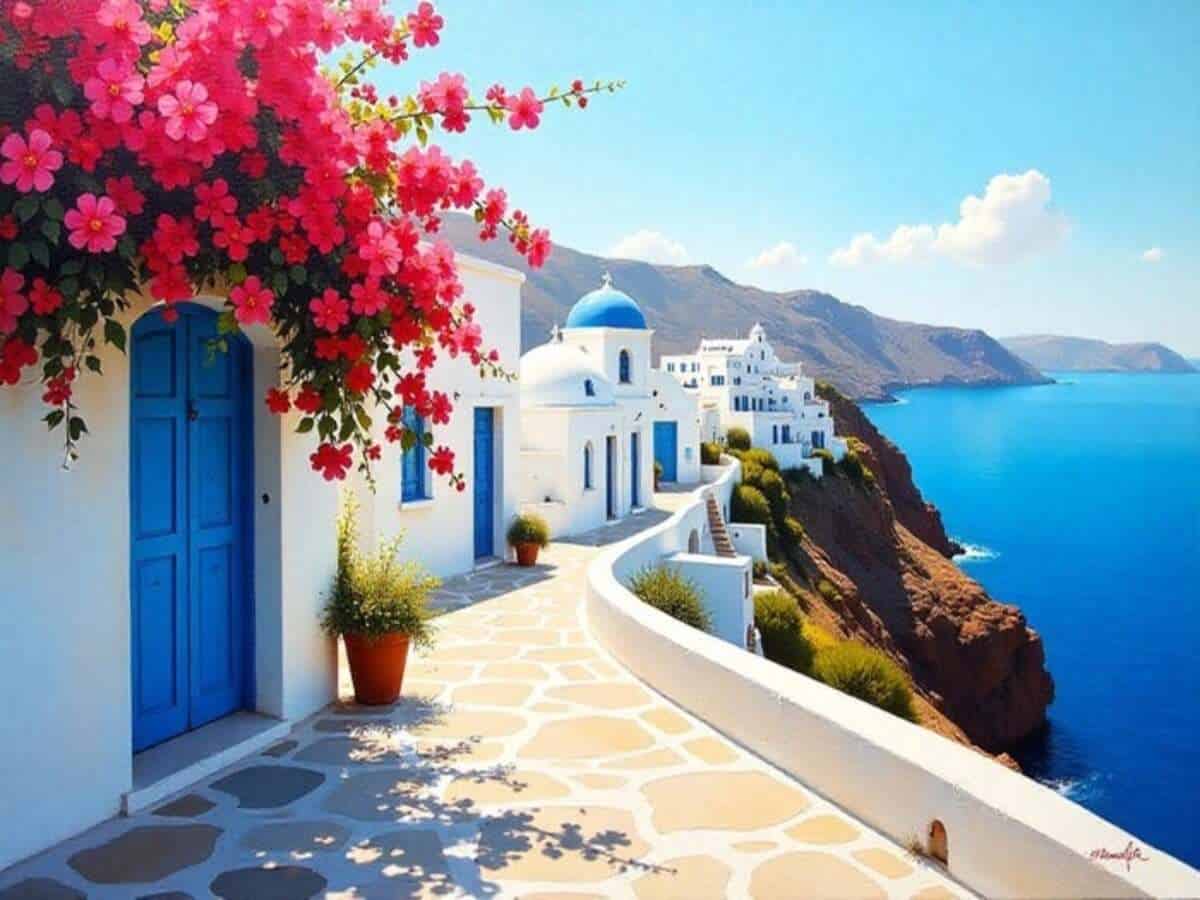
Greece’s Kastoria embraces winter as people who have fled soaring heating costs and few jobs head to destinations that cater to tourists.
Greece’s Kastoria is seeing an uptick this year in the number of people who spend the winters elsewhere rather than in their chilly homes after an influx of heating costs and few job opportunities push many residents into nearby tourism havens. Thousands of residents normally head to warmer climes for work but some are staying longer than expected and choosing to remain where the thermometer so often plummets. The phenomenon has gone by the name “energy migration” and has been on the rise in the past two years, according to experts. Popular destinations such as Kos, Corfu, Zakynthos and Chania are witnessing an alternative employment surge, while Kastoria’s cold climate and expensive home heating are creating an impediment to many residents’ finances.
Soaring Heating Costs Trigger an Unusual Winter Exodus in Kastoria
Kastoria is known for its picturesque lakeside setting, traditional architecture and cold winters. However, rising heating expenses are changing how residents manage their lives.
Temperatures can fall to minus 15 degrees Celsius during severe winter conditions, making household heating essential for several months.
Advertisement
Advertisement
For families depending on modest wages or seasonal employment, these costs can consume a substantial portion of their earnings.
Instead of returning home after summer employment, many workers are choosing to remain in warmer destinations.
Advertisement
Advertisement
The movement represents a growing economic response to expensive winter living conditions rather than a conventional migration driven entirely by employment.
Energy Migration Becomes a Growing Economic Reality in Northern Greece
The phenomenon of energy migration has become increasingly visible in Kastoria over the past two years.
Advertisement
Advertisement
Residents who previously travelled to tourism destinations for summer employment are extending their stays into the colder months.
Their decisions reflect a combination of rising energy prices, financial uncertainty and limited opportunities within the local economy.
By remaining employed in warmer regions, workers can continue earning while reducing the need to heat their homes in Kastoria.
The movement is particularly attractive to households without permanent employment or stable retirement income.
Advertisement
Advertisement
It demonstrates how energy affordability is influencing residential decisions and seasonal employment patterns.
Kos, Corfu, Zakynthos and Chania Attract Workers Seeking Tourism Employment
Popular Greek tourism destinations are becoming important alternatives for workers leaving Kastoria.
Kos offers a particularly noticeable contrast in winter conditions, with temperatures sometimes reaching around 15 degrees Celsius while Kastoria experiences freezing weather.
Other destinations attracting seasonal workers include Corfu, Zakynthos and Chania on Crete.
Employment opportunities also extend beyond Greece to Cyprus and cruise ships.
Workers are taking positions in hotels, accommodation establishments, reception services, gardening, luggage handling, security, housekeeping and general maintenance.
Advertisement
Advertisement
These opportunities are particularly valuable for people seeking to continue earning after the summer tourism season.
However, year-round employment depends on individual contracts and business activity.
Kastoria’s declining fur industry Adds to the Growing Employment Challenge
Kastoria economic difficulties extend beyond heating expenses.
The city was historically an important centre for fur manufacturing and processing, supporting numerous families and attracting workers from other regions.
However, the industry’s decline has reduced employment opportunities and weakened a traditional pillar of the local economy.
Former fur-sector employees are increasingly seeking work in tourism and hospitality.
Advertisement
Advertisement
For older workers, these positions provide income and opportunities to maintain social insurance contributions needed for retirement eligibility.
The transition also reflects a wider economic challenge facing communities that previously depended on specialised manufacturing industries.
Tourism has consequently become an important alternative employment sector for affected residents.
Middle-Aged Couples Increasingly Choose Seasonal Work Away From Home
The migration trend is particularly evident among residents in their 50s and 60s.
Many have spent decades living and working in Kastoria but now face limited local employment opportunities.
Some couples have fewer family responsibilities keeping them in the city because their children have moved elsewhere for education or employment.
Advertisement
Advertisement
As a result, temporary relocation is becoming more practical.
Couples can seek employment in the same tourism destination while managing their household expenses together.
For many, the decision is not about permanently abandoning their hometown.
Instead, it represents an attempt to maintain financial independence and prepare for retirement without facing excessive winter heating expenses.
Thousands of Seasonal Workers May Remain Away During Winter
Local labour estimates reveal the potential scale of Kastoria seasonal population movement.
Approximately 5,000 to 6,000 residents leave the area for seasonal employment opportunities.
Advertisement
Advertisement
Around 30% of these workers are expected to remain outside Kastoria throughout much of the winter, returning mainly for holidays.
This represents an estimated 1,500 to 1,800 people.
These figures are local estimates rather than a confirmed count of permanent departures.
Nevertheless, they illustrate how financial pressures are changing traditional seasonal employment patterns.
The extended absence of residents could also affect local businesses that depend on year-round household spending, especially during quieter periods between major winter celebrations.
Heating Oil Prices Reach €1.55 Per Litre Despite Government Support
Heating oil prices remain central to Kastoria financial difficulties.
Advertisement
Advertisement
In October 2026, Greece introduced measures aimed at reducing the burden of rising energy expenses.
The government and oil refineries provided combined reductions of €0.40 per litre, bringing the estimated heating oil price to approximately €1.55 per litre.
Without this intervention, the estimated price would have been around €1.95 per litre.
Although the reduction provides some relief, households in freezing regions still face substantial heating costs.
For residents requiring heating throughout winter, the total expense can remain difficult to manage, particularly when income is limited or irregular.
Greece Increases Winter Heating Allowance to Support Vulnerable Households
The Greek government has also announced a 30% increase in heating allowances for the 2026–2027 winter season.
Advertisement
Advertisement
The maximum allowance will rise from €1,200 to €1,560.
Support covers eligible heating sources including oil, electricity, natural gas, firewood and wood pellets.
The government estimates that eligible households could face an effective heating oil cost equivalent to approximately €1.35 per litre after assistance.
However, heating allowances remain subject to income and property eligibility requirements.
Not every household qualifies, and the assistance may not cover every family’s full winter heating bill.
These limitations help explain why some Kastoria residents continue to consider temporary relocation financially preferable.
Advertisement
Advertisement
Limited Natural Gas Installations Restrict Alternative Heating Options
Access to alternative heating infrastructure remains another challenge in Kastoria.
Local labour estimates suggest that fewer than 10% of residents have installed natural gas systems.
The neighbouring city of Florina received more extensive financial support for natural gas installations, including full subsidies under the arrangements described locally.
Kastoria did not benefit from the same level of assistance.
Consequently, many households continue relying on heating oil or other traditional heating methods.
Limited adoption of natural gas reduces the range of available heating choices.
Advertisement
Advertisement
Expanding affordable heating infrastructure could become increasingly important for northern Greek communities facing prolonged periods of freezing temperatures.
Christmas and Ragoutsaria Carnival Bring Residents Back to Kastoria
Despite extended winter absences, Kastoria remains an important cultural and family destination for its residents.
Many seasonal workers plan brief returns during Christmas, New Year and the traditional Ragoutsaria carnival.
Celebrated from 6 to 8 January, Ragoutsaria forms an important part of the city’s cultural identity and winter tourism appeal.
Some returning residents plan to stay for approximately 15 days before travelling back to their workplaces.
This arrangement allows them to participate in local celebrations while limiting household heating expenses.
Advertisement
Advertisement
Kastoria continues to attract visitors during weekends and holidays, although tourism activity during ordinary weekdays may provide fewer employment opportunities.
Unsafe Heating Practices Raise Environmental Concerns in Nearby Villages
The financial pressure associated with winter heating is also creating environmental concerns.
In some villages surrounding Kastoria, households struggling with energy expenses are reportedly burning unsuitable materials to provide warmth.
Such practices can release harmful pollutants and contribute to toxic haze.
The problem demonstrates how limited access to affordable heating may affect both household finances and local air quality.
Communities experiencing severe winter conditions require heating solutions that are financially accessible and environmentally safer.
Advertisement
Advertisement
Without sufficient alternatives, vulnerable households may continue relying on potentially harmful methods during periods of extreme cold.
Kastoria Winter Exodus Highlights the Growing Importance of Greece Tourism
Kastoria energy migration trend illustrates the connection between rising household costs, changing employment patterns and tourism development.
Warmer destinations are providing alternative sources of income for residents affected by expensive heating and declining local industries.
However, extended absences may weaken spending within Kastoria and create additional challenges for businesses operating throughout winter.
The city’s cultural heritage, scenic attractions and seasonal celebrations continue to support tourism, but these strengths do not necessarily provide sufficient year-round employment.
Greece’s Kastoria faces a growing winter exodus as soaring heating costs, freezing temperatures and job shortages drive residents towards warmer tourism destinations for employment and financial relief.
As winter approaches, many residents face a difficult choice between remaining in their hometown and seeking financial stability elsewhere. Kastoria growing winter exodus reflects a broader economic challenge for northern Greece, where heating affordability, employment opportunities and tourism-related migration are becoming increasingly connected.
Advertisement
