
Adventure Life’s Shift to Human Expertise Over Automation: A Winning Strategy for Growth and Trust in Travel as Monika Sundem Speaks Her Heart Out

Published
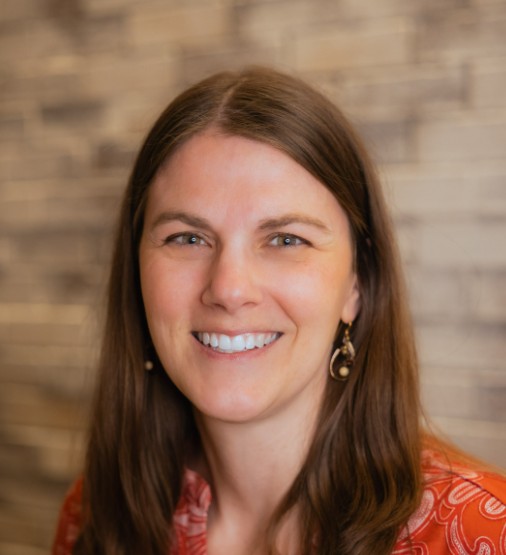
Adventure Life, under the leadership of Monika Sundem, embraces human expertise over automated digital booking in an AI-driven market. Trust is becoming more valuable than ever as travelers struggle to find reliability amidst automated systems, especially when it comes to complex, high-cost trips. By focusing on personalized connections, Adventure Life ensures that their specialists offer advice, listen, and stand behind their recommendations—something AI can’t replicate. This approach cultivates deeper, more trustworthy relationships, which leads to long-term economic growth and customer loyalty. Additionally, Adventure Life maintains quality control without owning physical inventory, relying instead on constant feedback, strong relationships with local operators, and a company culture focused on customer satisfaction. Their success in small-ship cruising is attributed to shifting from traditional large-scale cruising, prioritizing intimate, immersive travel experiences that engage travelers with local cultures and nature. As they expand their custom itineraries in Australia, Adventure Life continues to redefine the future of adventure travel with a focus on expert-led, intentional travel experiences.
In an AI-driven market, why is doubling down on human expertise proving more profitable for Adventure Life than shifting to automated digital booking?
In an AI-driven market, trust is becoming the scarcest—and most valuable—commodity. As more of the travel planning process becomes automated, travelers are increasingly unsure what to trust, especially when it comes to complex, high-cost trips. That’s where human expertise wins. At Adventure Life, we’re doubling down on human connection because rapport, judgment, and accountability can’t be automated. Our specialists aren’t just assembling itineraries—they’re listening, advising, and standing behind every recommendation. That builds a level of trust that AI simply can’t replicate, especially when things don’t go as planned or when decisions require nuance.
There’s also a long-term economic advantage. Automated booking models can scale quickly, but they often compete on price and volume. Human-led planning builds deeper relationships, higher lifetime value, and stronger referrals. The “payout” isn’t always immediate or as easy to measure, but it compounds over time. Internally, it matters just as much. Our team genuinely enjoys what they do—they’re passionate about the destinations and the people they’re helping. That authenticity translates directly to the traveler experience. Clients can feel when advice is thoughtful, personal, and grounded in real expertise, and that’s what creates loyalty.
Advertisement
Advertisement
In a world where everything is becoming faster and more automated, we see human expertise as a premium—harder to build, harder to scale, but ultimately far more valuable.
How do you maintain quality control and brand consistency while scaling to $43M in revenue without owning any physical travel inventory?
Advertisement
Advertisement
We don’t rely on owning inventory to control quality—we rely on constant feedback, deep relationships, and a very intentional internal culture.
First, we’re obsessive about feedback loops. We’re constantly reviewing traveler feedback post-trip, not just looking for issues but for small moments where we can improve. We carefully evaluate what we are recommending, to ensure we can give sound and impartial advice to our travelers amongst many options, each of which may be more suited to specific preferences. We match people up with the ‘best for them’. Our staff regularly travel on our own itineraries, to experience them first-hand, inspect lodges and hotels, and build direct relationships on the ground to ensure the experience we deliver is top quality.
Advertisement
Advertisement
Second, we maintain close, ongoing communication with our local operators and suppliers. These are long-term relationships with partners we trust, and there’s a shared expectation around quality and accountability. That allows us to act quickly if something isn’t meeting our standards and continuously refine what we offer.
But the biggest driver is internal. We’ve built a culture around “we do right by our customers,” and that scales. Our team takes ownership of the traveler experience in a very real way. They flag issues early, they self-report when something isn’t right, and they’re proactive about fixing problems before they ever become escalations. We don’t wait for complaints, we try to solve them before they happen.
Because of that, we rarely see issues escalate. Instead, what we see is consistency, and trips delivered as promised or better. We have repeat travelers coming back multiple times a year, and strong word-of-mouth growth. That kind of quality control doesn’t come from systems alone, it comes from people who care deeply about getting it right, over and over again.That’s how we’ve been able to scale—by building a model where quality is continuously checked, reinforced, and improved at every step, even without owning the product itself.
With over 60% of your travelers choosing small-ship cruises, what is the primary driver behind this shift away from traditional large-scale cruising?
Advertisement
Advertisement
The primary driver is that people don’t want to feel herded anymore. They are bored of the ‘entertain me at all times’ model. Traditional large-scale cruising can feel like you’re being moved from one staged experience to another, surrounded by crowds and constant entertainment. That’s not what a growing segment of travelers is looking for.
Small-ship and expedition cruising flips that model. It’s about getting off the ship, exploring remote places, learning something new, and actually engaging with the destination. Travelers want to feel something – whether that’s standing in a remote landscape, encountering wildlife up close, or connecting with cultures most people will never experience. It’s much more active and immersive.
There’s also a broader mindset shift happening. We’re seeing travelers move away from passive consumption, whether that’s entertainment, food, or even travel. They are moving toward more intentional, living-on-purpose experiences. The same way people are prioritizing wellness, fitness, and living more deliberately, they’re also seeking travel that challenges them and expands their perspective.
Expedition cruising aligns perfectly with that. It attracts lifelong learners, those people who want to come back with a deeper understanding of the world, not just a tan. It’s less about being entertained every second and more about feeling alive and realizing how big the world is, and how small we are within it.
As you launch Australia in 2026, what specific “expert-led” details will set your custom land itineraries apart from standard digital offerings?
We’re very intentional about not over-defining that upfront, as I don’t want to give anything away before the launch! The real differentiation in our trips comes from how the itinerary is built, not just what’s listed on it.
Advertisement
Advertisement
What I can say is that our approach is rooted in people on the ground. We’re careful about the operators we work with, partners who are actively making a positive impact in their communities and who bring a level of knowledge, access, and meaning that goes beyond simply “visiting” a place. That might show up through a guide who has deep cultural ties to the region, a conservation-focused experience, or access to places and perspectives that aren’t widely available through standard digital booking paths.
We’re also excited to showcase what “adventure travel” can really mean in Australia. It’s not one-size-fits-all. It can be active, remote, cultural, or nature-focused, and it can be designed for a wide range of travelers. The common thread is that it’s intentional, immersive, and led by people who truly know the destination.
How has the role of the travel consultant changed from a simple service provider to an essential “advocate” in today’s complex global environment?
The role of a travel consultant has shifted from transactional to deeply relational. We’re no longer just booking services and sending someone off with a “bon voyage”. We’re actively guiding, advising, and standing behind the entire experience from start to finish.
Today’s travel environment is more complex than ever with tight logistics, evolving regulations, remote destinations, and higher expectations. That’s where the advisor becomes an advocate. At Adventure Life, we’re involved every step of the way, and that includes real-time support with a 24/7 emergency line and a human being ready to step in if something needs adjusting on the ground.
Equally important is the leverage we bring. Through our relationships and volume, we’re often able to secure things travelers wouldn’t be able to access on their own such as priority guides, better timing at key sites, or simply a smoother way to experience a destination based on years of trial and refinement. During COVID, that advocacy became very visible – we were pulling strings, calling in favors, and helping clients navigate rapidly changing situations. That hasn’t gone away.
A lot of what we do happens behind the scenes, so travelers don’t always see it directly, but they feel it. The trip runs more smoothly, access feels easier, and when something unexpected happens, there’s someone in their corner who knows how to fix it. That’s what defines the modern travel advisor: not just a planner, but a true advocate.
Advertisement
