
Afghanistan Earthquake Devastates Kunar Province, Rescue Efforts Amid Ongoing Crisis

Published
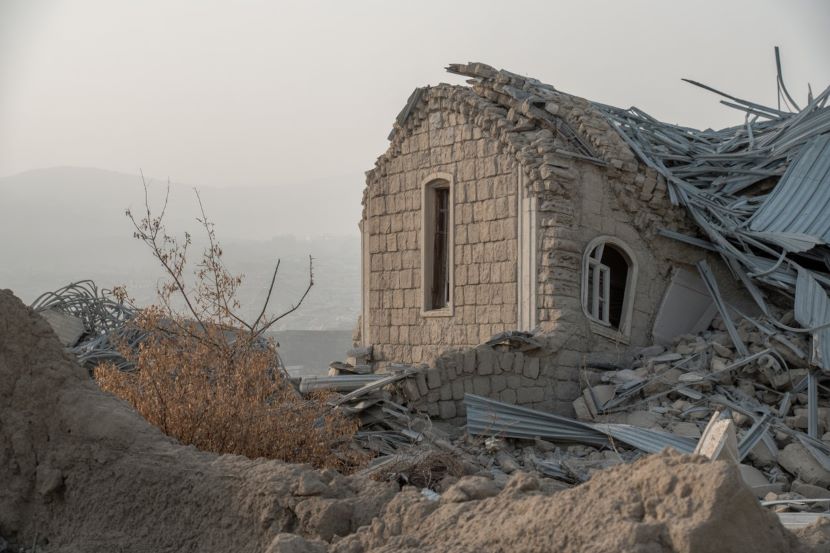 Image generated with Ai
Afghanistan was hit by a powerful earthquake with a magnitude of 6.0, leaving over 800 people dead and thousands more injured. The tremors affected the eastern region of the country, particularly the Kunar Province, where the devastation was widespread. As rescue operations unfold, the scale of the disaster highlights not only the human cost but also the far-reaching implications for Afghanistan, which relies heavily on regional stability.
The earthquake, which occurred just before midnight, triggered landslides, making rescue and aid efforts even more challenging. With the mountainous terrain already difficult to navigate, the damage to infrastructure and roads has compounded the difficulties faced by rescue teams. As a result, many villages in the affected areas remain isolated. This has put a strain on both local authorities and international aid organizations, further underscoring the urgent need for support.
Advertisement
Advertisement
Ongoing Rescue Efforts and Humanitarian Aid
Rescue teams have been working tirelessly to reach the hardest-hit areas. The damage caused by the earthquake, combined with the challenging geography of Afghanistan, has slowed relief efforts. Helicopters have been deployed to evacuate the injured, but the lack of adequate road access remains a significant obstacle.
International aid has been slow but is starting to come in. Countries such as Iran, India, Japan, and the European Union have committed to supporting the victims of the earthquake, offering both financial aid and supplies. However, the Taliban government’s strained relationships with many Western countries have complicated the provision of aid. Humanitarian organizations have raised concerns about the ability to get aid to those who need it most.
Advertisement
Advertisement
Afghanistan’s government has called on the international community to overlook political differences and provide much-needed assistance. Given the country’s history of earthquakes and its struggle to rebuild after past disasters, the immediate focus remains on saving lives and providing critical supplies.
Tourism Recovery and Long-Term Challenges
Despite the disaster, Afghanistan’s tourism industry will likely play a crucial role in its long-term recovery. The country’s natural beauty, including the rugged mountain ranges, valleys, and ancient historical sites, has long attracted adventurous tourists. However, the damage from this earthquake is likely to delay efforts to rebuild this sector. With infrastructure heavily damaged, it will take time for tourism to return to pre-earthquake levels.
Advertisement
Advertisement
Tourism recovery will require international cooperation and the rebuilding of both infrastructure and the local economy. Furthermore, the ability of Afghanistan to present itself as a safe destination for tourists will be key. While the earthquake has posed an immediate challenge to the industry, rebuilding efforts can serve as an opportunity to improve safety measures, communication systems, and accessibility to regions that were once difficult to reach.
The Role of Aid in Ensuring a Resilient Future
For the tourism sector to recover, significant aid and investment will be needed. The earthquake in Afghanistan has highlighted not only the vulnerability of the region to natural disasters but also the fragility of its economy. With many families displaced and businesses closed, the need for international support is crucial. Foreign aid organizations will need to prioritize not just immediate relief but also long-term recovery efforts to help revive Afghanistan’s economy and tourism infrastructure.
Moreover, Afghanistan’s tourism authorities will have to work closely with international partners to rebuild trust and enhance the country’s appeal as a destination. This could involve developing new travel routes, improving visitor safety, and investing in sustainable tourism practices to ensure that the country can once again become a hub for travelers looking to experience its rich history and culture.
Overview
The earthquake in Afghanistan has caused significant loss of life and has left thousands in need of urgent assistance. The challenges faced by rescue teams in reaching affected areas highlight the logistical difficulties of providing aid in a mountainous country with limited infrastructure. While tourism has been severely impacted by the earthquake, Afghanistan’s rich cultural heritage and natural beauty present opportunities for recovery. However, this recovery will require not only international aid but also long-term efforts to rebuild infrastructure and restore safety. As Afghanistan rebuilds, the role of tourism in its economic recovery will remain vital, and international cooperation will be key in ensuring that the country can once again open its doors to visitors from around the world.
Advertisement
