
Japan Faces Rare Twin Tropical System Travel Disruption as Mekkhala and Higos Raise Heavy Rain, Aviation, Rail, Road and MICE Risk Across Okinawa, Kyushu, Shikoku, Kansai, Chubu and Tokyo Corridors

Published
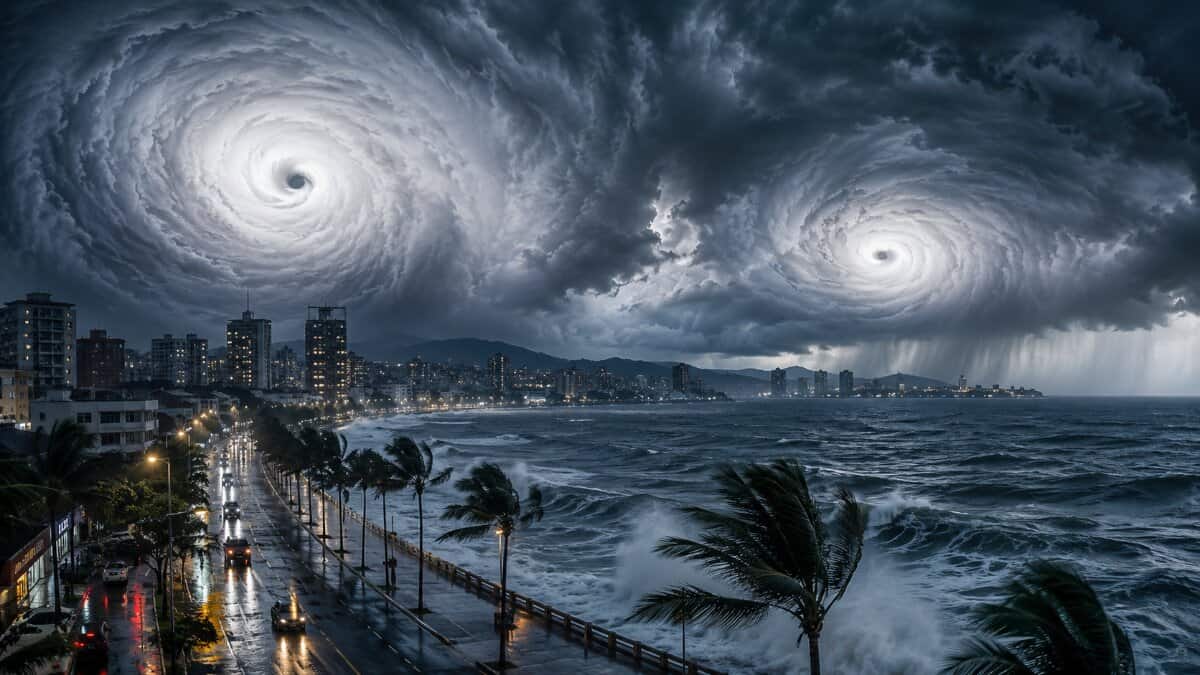
Image generated with Ai
Japan is facing a high-impact travel disruption window as Severe Tropical Storm Mekkhala and Tropical Storm Higos interact with the seasonal rain front, increasing heavy rain, landslide, flood, storm surge, aviation, road and itinerary risks across major leisure and business travel corridors. The main concern is not only wind intensity. It is the compound effect of saturated ground, transport advisories, island airport exposure, gateway disruption and possible knock-on delays into Tokyo, Osaka, Nagoya and western Japan.
Japan Travel Disruption Moves From Typhoon Wind Risk To Rain-Driven Operational Risk
Japan’s late-June travel market is entering a fragile operational period as two named tropical systems approach or influence the archipelago while the seasonal rain front remains active. Official meteorological classifications show a more nuanced situation than a simple double-typhoon headline. Mekkhala has weakened below typhoon intensity in the latest Japan Meteorological Agency classification, while Higos remains a tropical storm in the official outlook.
For the travel trade, that distinction matters. A system below typhoon threshold can still trigger serious disruption when it feeds warm, humid air into an already active rain belt. Japan’s main risk is therefore multi-layered. Heavy rain can hit roads, railways, expressways, airports, ferry links, hotel transfers, shore excursions, rural day tours and event logistics even when wind speeds are no longer at typhoon intensity.
The immediate exposure is strongest across Okinawa, Amami, southern Kyushu, Shikoku, western Japan and transport corridors that connect into Kansai, Chubu and the Tokyo metropolitan gateways. Operators selling Japan holidays, incentive trips, conferences, FIT travel and regional circuits should treat the situation as an active itinerary-management event rather than a distant weather headline.
Advertisement
Advertisement
Official Storm Status Shows Why Accuracy Matters For Japan Travel Reporting
The latest official data separates current meteorological status from earlier lifecycle intensity. Mekkhala previously developed into a powerful system, but the current JMA classification places it below typhoon strength. Higos is also being monitored as a tropical storm. This makes the phrase twin tropical systems more accurate than pair of typhoons for a publish-ready travel trade report.
Advertisement
Advertisement
| Official element | Mekkhala | Higos | Travel trade meaning |
|---|---|---|---|
| JMA storm number | T2607 | T2608 | Both systems are named tropical cyclones in the western North Pacific basin |
| Latest JMA classification used for report | Severe Tropical Storm | Tropical Storm | Neither should be described as a current pair of typhoons without fresh confirmation |
| Central pressure cited in official data | 985 hPa | 1002 hPa | Mekkhala remains the stronger system in the official status snapshot |
| Maximum wind near centre cited in official data | 30 m per second or 55 kt | 18 m per second or 35 kt | Wind risk remains operationally relevant, especially for aviation and marine sectors |
| Primary Japan risk | Heavy rain, flood, landslide, aviation and transport disruption | Additional track uncertainty and possible eastern exposure | Combined systems increase forecast uncertainty and contingency needs |
JMA intensity categories are clear. A tropical storm has maximum wind below severe tropical storm level, a severe tropical storm sits below typhoon threshold, and a typhoon begins at 64 kt. That classification does not reduce risk for visitors. It simply redirects the travel story from wind sensationalism to rain, terrain, transport and infrastructure exposure.
Heavy Rain And Landslide Warnings Create A Bigger Tourism Risk Than The Storm Label
JMA warning pages for 26 June list weather hazards including heavy rain, landslides and storm surge for island and southern territories. This is important for B2B travel planning because Japan’s most valuable itineraries often depend on precise intermodal connections. A single heavy rain warning can affect the airport transfer, the rail segment, the coach approach road, the sightseeing window and hotel staffing at the same time.
Japan’s warning system also uses layered risk categories. Advisories indicate the possibility of damage. Warnings indicate that a serious disaster may occur. Emergency warnings are reserved for extremely serious hazards. This structure is crucial for travel agents because client communication should be based on official alert level and route exposure, not on social media language or storm nickname alone.
| Hazard channel | Why it matters for travel | Likely affected operations |
| Heavy rain | Rapid rainfall can disrupt roads, rail tracks, airport ground handling and outdoor sightseeing | Day tours, airport transfers, rural stays, shopping itineraries, walking tours |
| Landslides | Mountainous and coastal routes face slope instability after intense rain | Kyushu coach tours, hot spring areas, national park access, scenic rail routes |
| River flooding | Rising river levels can disrupt city mobility and regional rail corridors | Urban transfers, hotel access, convention mobility, road bridges |
| Storm surge and high seas | Coastal exposure can affect ferries, island links and port calls | Okinawa, Amami, island airports, cruise and ferry products |
| Poor visibility | Air operations can be affected even before peak storm passage | Domestic flights, island flights, aircraft positioning, international connections |
Aviation Exposure Widens From Okinawa And Kyushu To Tokyo Gateways
Japan’s aviation network is particularly sensitive to sequential disruptions because domestic feeders move large volumes of passengers into Tokyo Haneda, Tokyo Narita, Kansai, Chubu, Fukuoka and Naha. Official airline and airport advisories already show the disruption risk spreading from the southwest islands into broader domestic travel planning.
JAL’s domestic operational information for 26 June lists several Kyushu and Okinawa airports under the Typhoon Mekkhala notice, including Miyazaki, Kagoshima, Tanegashima, Yakushima, Kikaijima, Amami Oshima, Tokunoshima, Okinoerabu, Yoron, Kitadaito, Minamidaito, Okinawa Naha, Kumejima, Miyako, Tarama, Ishigaki and Yonaguni. Its same notice also flags Tokyo Haneda and Tokyo Narita for 27 June, showing how the storm risk can move from island and regional routes to national gateway operations.
Advertisement
Advertisement
| Aviation source | Affected area or airport group | Date window | Operational implication |
| JAL domestic operations | Kyushu and Okinawa island airports | 26 June | Delays, cancellations or diversions may affect regional itineraries |
| JAL domestic operations | Tokyo Haneda and Tokyo Narita | 27 June | Knock-on effects may reach Japan’s largest inbound and outbound gateways |
| Jetstar Japan | Naha, Miyazaki, Kochi, Kansai, Chubu and Narita | 26 to 28 June | Low-cost domestic and connecting itineraries require active monitoring |
| Haneda Airport | Flights to and from Haneda | 25 June onward | Some flights have been delayed or cancelled, while terminal retail hours may change |
| ANA domestic status | Miyako, Naha, Ishigaki and related routes | 26 to 27 June | Island flight availability may tighten during the disruption period |
The most important B2B message is inventory flexibility. Travellers with Japan rail passes, domestic air sectors, cruise transfers, guided island extensions or same-day international connections may need alternative routing. Agents should avoid selling tight same-day onward connections through affected airports until operations stabilise.
Rail, Road And Expressway Networks Face Rain-Belt Stress
Japan’s high-speed rail network is resilient, but heavy rain can still produce short-notice suspensions, speed restrictions, rolling delays or station crowding. The larger risk for tour operators is not only the Shinkansen backbone. It is the last-mile chain between stations, hotels, rural inns, theme parks, convention venues and airport buses.
NEXCO Central’s official road information shows how road closures linked to the rainy season front and typhoons can be lifted in some places while new wide-area traffic closure possibilities remain from the following day. This reflects the moving nature of Japan’s rain-front disruption. A road that reopens at midday can become exposed again if rainfall shifts or intensifies.
| Surface transport segment | Operational risk | Trade action |
| Expressways | Temporary closure, reopened sections, renewed closure risk from 27 June | Keep coach departures flexible and confirm route status before dispatch |
| Regional rail | Rain checks, speed controls, suspended segments | Build buffer time into Kyushu, Shikoku, Kansai and Chubu itineraries |
| Airport buses | Road flooding and expressway restrictions | Avoid guaranteed minimum connection windows |
| Rental cars | Poor visibility, surface water, local closures | Recommend delaying non-essential rural driving during warning periods |
| Ferries and island links | High seas, storm surge, port handling limits | Protect island itineraries with rebooking clauses |
| MICE shuttles | Venue access disruption and delegate delays | Prepare hotel-based meeting alternatives and staggered transfer plans |
MICE And Corporate Travel Need Weather-Contingency Planning
The timing of the disruption is significant for Japan’s business travel and MICE sector. Late June remains an active window for corporate meetings, incentive programmes, educational groups, destination management visits and buyer events. Tokyo, Osaka, Kyoto, Nagoya, Fukuoka and Okinawa all rely on smooth air, rail and road connectivity to support high-value meetings and short-stay business itineraries.
This storm event creates four main MICE risks. Delegate arrival times may become uneven. Airport-to-hotel transfers may be delayed. Off-site dinners or cultural excursions may need cancellation. Exhibitors and event staff may face cargo and ground-handling disruption if flights or expressways are restricted.
Advertisement
Advertisement
For organisers, the safest structure is a layered contingency plan. Planners should prioritise flexible rooming lists, staggered registration hours, local supplier confirmation, wet-weather venue mapping, indoor networking alternatives, remote speaker options and clear duty-of-care messaging. The commercial risk is not limited to one cancelled flight. It can spread across badge collection, welcome receptions, meetings, interpretation services, dining logistics and departure transfers.
Japan Tourism Economics Raises The Stakes For Fast Recovery
Japan’s inbound travel sector is operating at a high-volume level. JNTO’s latest visitor data places May 2026 arrivals at more than 3.55 million, confirming that Japan remains a heavily trafficked destination even when month-to-month growth softens. That means even a short storm disruption can affect many bookings, especially for international visitors moving through Tokyo, Kansai, Kyushu and island destinations.
For travel agents, this is a margin-protection issue. Weather disruption can increase supplier calls, refunds, re-accommodation requests, last-minute rail changes and traveller anxiety. For destinations, it also tests confidence in Japan’s resilience as a premium leisure, culture, wellness, cruise and business-events market.
| Tourism segment | Short-term effect | Strategic implication |
| International FIT travel | Flight delays and altered hotel check-in times | Demand for app-based updates and flexible booking tools rises |
| Group travel | Coach routes and sightseeing windows may change | Tour directors need authority to reorder daily itineraries |
| Luxury travel | Private transfers, ryokan stays and dining bookings face timing risk | High-touch concierge support becomes essential |
| Cruise and ferry-linked travel | Port and sea conditions can alter shore plans | Cruise lines need inland backup excursions |
| MICE travel | Delegate arrival patterns can fragment | Hybrid-ready event design becomes more valuable |
| Domestic aviation | Island and regional flights carry higher cancellation risk | Rebooking automation and agency support become decisive |
Critical Operational Takeaways For Travel Agents And Tour Operators
- Use the term twin tropical systems or twin storm disruption unless JMA confirms both systems are at typhoon intensity at the time of publication.
- Prioritise Okinawa, Amami, Kyushu, Shikoku, Kansai, Chubu and Tokyo gateway checks for client itineraries between 26 and 28 June.
- Reconfirm JAL, ANA, Jetstar Japan and airport operating notices before issuing final client instructions.
- Avoid tight same-day connections between domestic island flights and international departures.
- Build extra time around Haneda, Narita, Kansai, Chubu, Naha, Miyako and Ishigaki travel plans.
- Check expressway, rail and airport-bus status before dispatching tour coaches or private transfers.
- Move outdoor sightseeing, coastal experiences, mountain routes and rural day trips into flexible weather windows.
- Advise travellers to use official Japan visitor safety tools and keep hotel contact details, passport copies and emergency numbers accessible.
- Protect MICE programmes with indoor alternatives, staggered arrivals, remote presentation options and supplier escalation contacts.
- Record all weather-related changes in booking files for insurance, refund and supplier reconciliation.
Forward-Looking Summary: Japan’s Twin Storm Test Reinforces The Future Of Weather-Resilient Travel
The Mekkhala and Higos disruption is a timely reminder that Japan’s tourism competitiveness now depends not only on destination appeal, air capacity and cultural demand, but also on weather-resilient travel design. As inbound volumes remain high, even short-lived storms can test the entire visitor economy. Airports, railways, expressways, hotels, convention organisers and tour operators must work inside a faster, more data-led operating environment.
For the global travel market, this event reinforces a wider trend. Climate-sensitive itinerary planning is moving from an emergency function to a core commercial discipline. Travellers still want Japan for culture, cities, cuisine, wellness, nature and events. However, buyers will increasingly value suppliers that can reroute, rebook, communicate and protect experiences without panic.
Japan’s long-term advantage remains strong because its official information systems, transport transparency and tourism safety infrastructure are mature. Yet the next phase of growth will favour operators that translate official warnings into practical client action. The winners will be those who sell Japan not only as a dream destination, but as a professionally managed, resilient and responsive travel ecosystem.
Advertisement
