
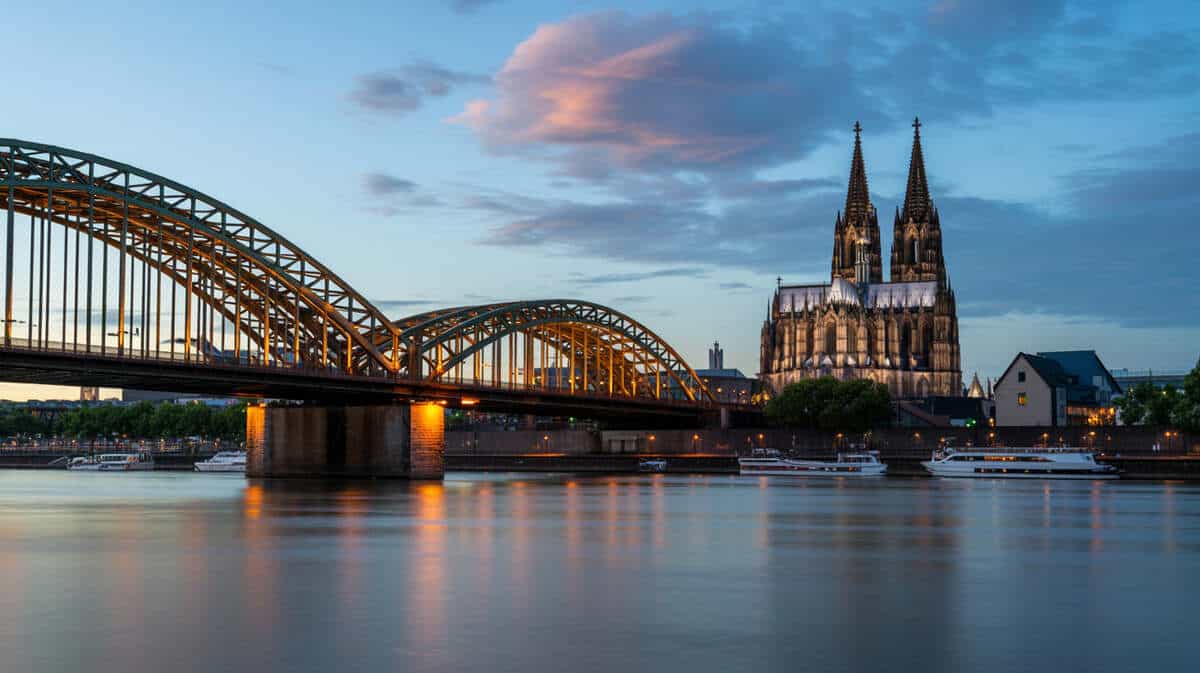
Image generated with Ai
Germany is increasingly becoming a favored destination for Dutch residents, as a result of the high prices in the Netherlands. Germany, therefore, is one of the main beneficiaries of the price changes in the Netherlands, as it attracts more and more visitors. This is part of the general pattern for the whole of Europe, as it seems that people are now more price-conscious and compare offers and experience before deciding on the place of their visit.
Germany is witnessing a growing tourism opportunity as Dutch travellers increasingly look beyond their home market for affordable leisure escapes. Rising accommodation costs in the Netherlands have encouraged holidaymakers to consider neighbouring destinations that provide similar experiences without significantly higher travel expenses.
Advertisement
In 2025, Dutch visitors recorded around 11.7 million overnight stays in Germany, making the Netherlands Germany’s leading foreign tourism source market by a substantial margin. The United States and Switzerland followed but each recorded fewer than 7 million overnight stays.
The strong connection between the two countries has been supported by geography, transport accessibility and shared travel preferences. Germany offers Dutch visitors easy access to nature destinations, family-friendly holiday regions, campsites, wellness resorts and cultural cities.
Advertisement
Advertisement
The developing trend has gained attention as accommodation prices in the Netherlands have become more expensive. A major factor behind the change has been the increase in the Dutch value-added tax rate for accommodation, which rose from 9% to 21% from 1 January 2026. The adjustment has affected hotels, holiday parks, campsites and other short-stay accommodation providers.
As accommodation expenses increase, more travellers are reassessing domestic holiday options and searching for destinations where they can receive stronger value for money.
The changing travel behaviour reflects a broader transformation in European leisure tourism. Holidaymakers are becoming increasingly sensitive to accommodation prices, taxes and additional travel expenses.
The Netherlands has traditionally been a popular domestic holiday market, particularly for families visiting coastal areas, countryside locations and holiday parks. However, higher costs are encouraging some travellers to compare domestic prices with nearby international alternatives.
Advertisement
Advertisement
Germany has become one of the strongest options because it provides comparable tourism experiences. Dutch visitors can easily reach German destinations by road and rail, making short breaks and family holidays convenient.
Popular German regions that benefit from Dutch demand include border areas, rural destinations, lake regions and outdoor tourism locations. These areas offer camping, cycling, hiking, wellness and nature-based experiences that closely match Dutch holiday preferences.
Germany’s extensive tourism infrastructure also provides a wide range of accommodation choices, from campsites and holiday homes to hotels and resorts. This variety allows travellers to adjust their spending while still enjoying international holidays.
The shift does not represent a decline in demand for travel. Instead, it demonstrates how tourism flows are being redirected towards destinations that provide better affordability and accessibility.
Outdoor tourism is expected to remain one of the biggest beneficiaries of this changing travel pattern. Dutch travellers have long shown strong interest in camping, caravanning and nature-based holidays.
Germany’s landscapes provide a strong alternative to domestic Dutch holiday locations. The country offers forests, mountains, lakes, national parks and cycling routes that attract travellers searching for active and relaxing experiences.
Camping tourism has become an important part of Germany’s accommodation sector, with demand remaining strong after the pandemic recovery period. The country’s large network of campsites and outdoor accommodation facilities gives Dutch visitors more options when searching for cost-effective holidays.
Family travellers are particularly important in this market shift. Holiday parks and camping destinations allow visitors to control spending while enjoying longer stays. Germany’s nearby regions provide these experiences without requiring expensive flights or long-distance journeys.
The combination of affordability, accessibility and diverse landscapes has strengthened Germany’s position as a preferred alternative destination for Dutch holidaymakers.
Although Germany is gaining attention, France remains the leading foreign destination for Dutch travellers. According to the supplied Statistics Netherlands (CBS) figures, Dutch travellers recorded around 2.15 million trips to France in 2025, while Germany followed with approximately 1.73 million trips.
However, Germany’s strength comes from its ability to attract frequent short-distance travel. Unlike longer European journeys, trips to Germany can often be organised with lower transport costs, making the destination attractive for weekend breaks, school holidays and family vacations.
The relationship between Germany and the Netherlands has created one of Europe’s strongest cross-border tourism connections. Dutch travellers represent a reliable visitor market for German destinations, especially outside major cities.
As holiday prices continue influencing travel decisions, Germany is positioned to capture additional demand from travellers who want international experiences while managing their budgets.
The emerging Germany–Netherlands tourism shift reflects a wider change taking place across Europe in 2026. Travellers are increasingly making decisions based on total holiday costs rather than destination popularity alone.
Accommodation taxes, local tourism charges and higher operating costs are becoming important factors influencing consumer choices.
For destinations, maintaining competitiveness now depends on offering value, accessibility and memorable experiences. Countries that can provide affordable alternatives are increasingly positioned to attract visitors from neighbouring markets.
Germany’s advantage comes from its combination of proximity, infrastructure and tourism diversity. The country can offer city breaks, countryside escapes, outdoor adventures and family holidays within easy reach of Dutch travellers.
Meanwhile, Dutch tourism businesses face increasing pressure to maintain competitiveness as visitors compare domestic holiday prices with nearby foreign destinations.
The situation highlights how taxation and pricing policies can influence international tourism movements. Even small differences in accommodation costs can encourage travellers to cross borders when attractive alternatives are available.
Germany’s growing appeal among Dutch travellers represents a significant development in European tourism. Rising holiday costs in the Netherlands have created new opportunities for German destinations to attract visitors searching for affordability and convenience.
With millions of Dutch overnight stays already recorded, Germany has established itself as a trusted holiday destination. The latest shift could further strengthen regional tourism, particularly in outdoor, family and nature-based travel segments.
Germany is set to benefit from a rise in Dutch holidaymakers as the costs of visiting nearby countries rise, according to figures released this week. Increased accomodation prices and tourist taxes are said to be encouraging budget-conscious Dutch to look further afield for value for money breaks.
The pattern shows that modern tourists are seeking greater value and flexibility, and a European tourism boom is forecast in the coming years, with destinations offering affordability proving most popular with new visitors.
Advertisement
Advertisement
Advertisement












Friday, September 4, 2026

Friday, September 4, 2026

Friday, September 4, 2026

Friday, September 4, 2026

Thursday, September 3, 2026

Wednesday, September 2, 2026

Friday, September 4, 2026

Friday, September 4, 2026


