
Malaysia Airports Unlock Global Travel Growth As Summer Demand Drives International Passenger Surge

Published
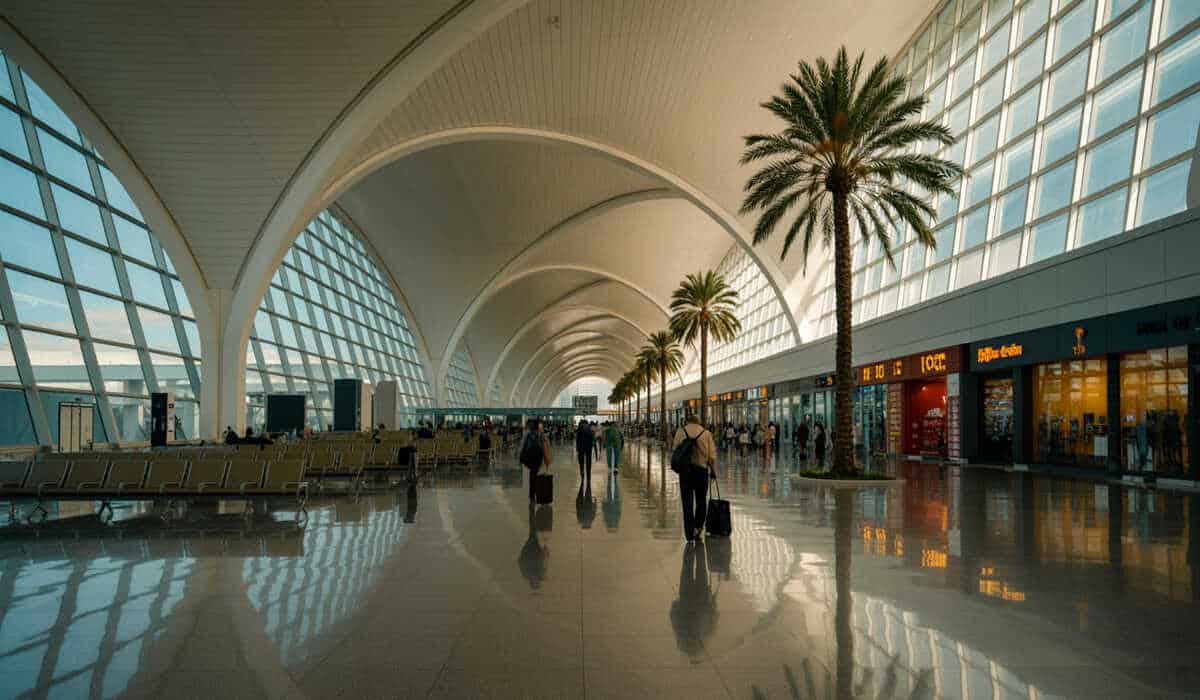
Image generated with Ai
Malaysia Airports report record international passengers as summer travel season peaks in July 2026. Malaysia Airports International reported that international passengers rose sharply in July 2026, peaking season for the Malaysian travel industry. According to the report, the rise was primarily driven by demand from Europe via the Middle East, as well as Asian traffic. Excluding domestic passengers, international passengers increased by 9.3 percent to 4.5 million from the previous month. The surge in international passengers is also seen as a good sign for the country’s economy. Moreover, new airline services and airport improvements also contributed to the increase in passenger traffic nationwide.
International Travel Drives Malaysia’s Aviation Recovery
Malaysia Airports’ Malaysian operations handled 8 million passenger movements in July 2026, marking a 4.6 per cent increase compared with June. The improvement was mainly driven by international travel demand as travellers returned to the skies during the peak summer holiday season.
Advertisement
Advertisement
International traffic has become a major growth contributor for Malaysia’s aviation sector, helping offset weaker domestic passenger numbers. During July, international passenger movements reached 4.5 million, reflecting stronger demand for overseas connections and increased flight availability across key markets.
However, overall passenger movements remained below previous-year levels, declining 11 per cent year-on-year. The decline was largely linked to continued weakness in domestic aviation demand, with airlines adjusting capacity based on operating costs and changing market conditions.
Advertisement
Advertisement
Domestic Passenger Traffic Faces Continued Pressure
Domestic passenger movements reached 3.5 million in July 2026, representing a 1 per cent decline compared with June and a 19.8 per cent decrease year-on-year.
Airlines continued reviewing their domestic schedules and capacity plans as they responded to higher operating expenses and shifts in passenger behaviour. While domestic travel remained challenging, international routes provided stability and helped maintain overall airport activity.
Advertisement
Advertisement
For the first seven months of 2026, Malaysia Airports’ Malaysian operations handled 59 million passengers. The figure remained broadly similar to the same period in 2025, with international traffic showing positive momentum.
Between January and July 2026, international passenger traffic increased 6.1 per cent year-on-year, while domestic traffic declined 6.7 per cent compared with the previous year. The figures underline the changing structure of Malaysia’s aviation market, where international connectivity is becoming an increasingly important growth engine.
Advertisement
Advertisement
KLIA Strengthens Position As Malaysia’s Global Gateway
Kuala Lumpur International Airport (KLIA) continued to lead Malaysia’s aviation expansion, handling 5 million passengers in July 2026. The figure represented a 6.6 per cent increase from June.
KLIA recorded 36.7 million passengers during the first seven months of 2026, achieving a 3.4 per cent increase compared with the same period in 2025.
The airport’s performance reflects stronger international demand and the expansion of airline networks connecting Malaysia with major destinations worldwide. As Malaysia’s primary international gateway, KLIA continues to play a central role in supporting tourism, business travel and regional connectivity.
New Airline Routes Expand Malaysia’s Global Connections
Malaysia Airports continued strengthening connectivity through the introduction of new airline services across its network.
Advertisement
Advertisement
AirBorneo expanded its operations by launching twice-daily direct flights between Kuching and Kuala Lumpur from July 20, 2026. The airline also introduced daily services connecting Kuching with Singapore from July 22, 2026.
The expansion created additional travel opportunities between Malaysian cities and important regional markets, improving accessibility for both leisure and business travellers.
Riyadh Air further strengthened Malaysia’s international connectivity by launching three-times-weekly direct flights between Riyadh and Kuala Lumpur from July 31, 2026. The new route enhanced links between Malaysia and Saudi Arabia while supporting wider travel connections across the Middle East.
Regional Airports Benefit From International Expansion
Growth was not limited to Kuala Lumpur, as regional airports across Malaysia also recorded improvements following the introduction of new international services.
Sultan Ismail Petra Airport in Kota Bharu experienced significant international traffic growth after the launch of the Kota Bharu–Jakarta route in June 2026. International passenger movements at the airport increased 54.1 per cent month-on-month, reaching more than 6,200 passengers in July.
The development highlights the role of regional airports in expanding Malaysia’s tourism network and creating more direct international access beyond major aviation hubs.
Advertisement
Advertisement
Airport Upgrades Improve Passenger Experience
Alongside traffic growth, Malaysia Airports continued investing in passenger-focused improvements across its facilities.
Sibu Airport received refreshed check-in counters to improve passenger processing and airport convenience. Kuching International Airport introduced a new cat-themed playground to enhance family-friendly facilities for travellers with children.
KLIA Terminal 2 also received additional charging points and a new tiger-themed playground, creating a more comfortable and engaging environment for passengers during their airport journey.
These improvements are part of wider efforts to modernise airport facilities and provide smoother travel experiences as passenger demand continues to evolve.
Malaysia Airports Group Records Wider Global Growth
Across the wider Malaysia Airports Group network, passenger movements reached 12.8 million in July 2026.
Istanbul Sabiha Gökçen International Airport recorded 4.9 million passengers during the month, representing a 14.2 per cent increase compared with June and a 9.6 per cent rise year-on-year.
Advertisement
Advertisement
From January to July 2026, Malaysia Airports Group handled 87.7 million passengers, recording 2.1 per cent growth compared with the same period in 2025.
The latest numbers are positive as they indicate a recovery of international air passenger traffic demand and the need for further development of connectivity, infrastructure, and airport services.
Malaysia Airports witnessed international passenger traffic growth in July 2026 as the summer season and new airline routes opened up international connections.
With increased international interest and new routes, Malaysia Airports will benefit from the country’s tourism boom and traffic growth in 2026.
Advertisement
