
Kyushu Positions As Japan Wellness Hub As Hot Spring Tourism Experiences A Massive Boom In Healing Travel

Published
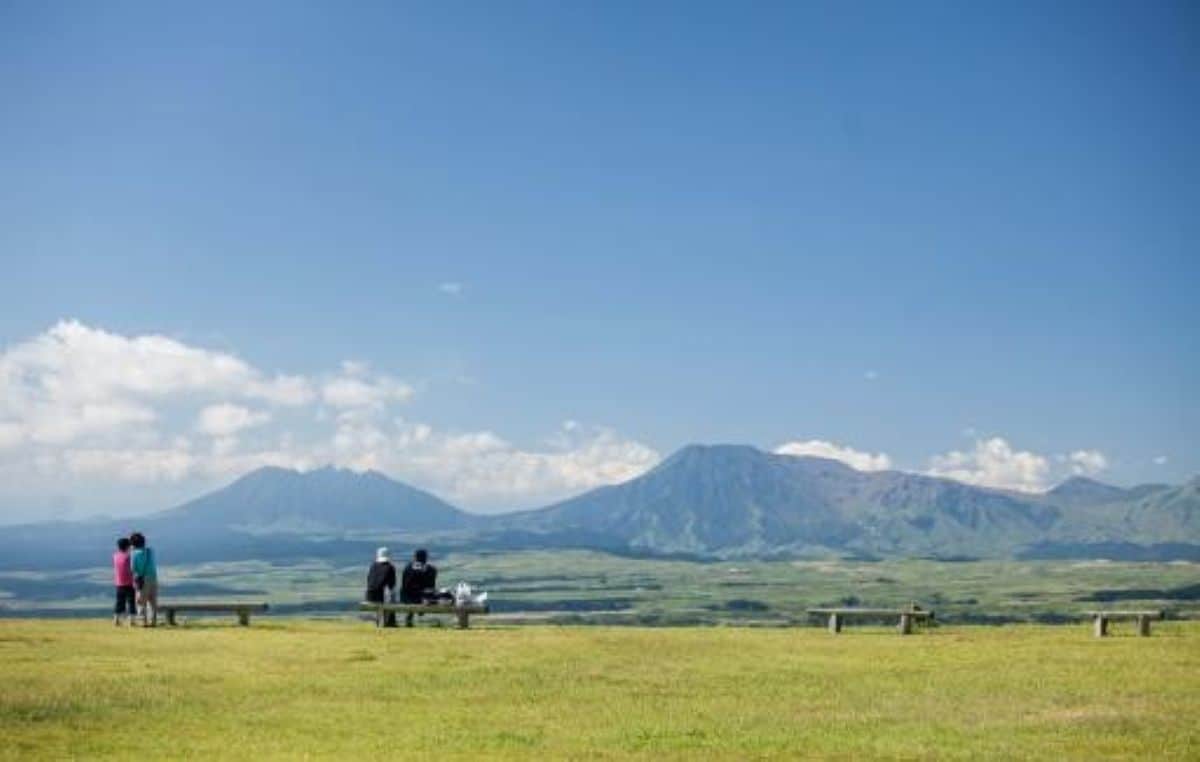
Credit Image kumamoto.guide
Have you ever felt drained after taking a break? Many people feel this way after a vacation because of trying to see and do too much. Recently, there has been a movement in Kyushu, Japan to present travel styles that have emotional restoration and reduce exhaustion. Although travel to Kyushu offers people the opportunity to take a break from their daily life, Kyushu doesn’t have a lot of amenities where travelers can take a break and relax. There is a lot of potential in Kyushu and other prefectures of Japan as well as other parts of the world, and they are willing to collaborate with Kyushu to train and introduce travel and tourism related practices and methods to the industry. Other areas of the world will probably do the same thing.
Advertisement
Advertisement
Navigating Luxury Hospitality Developments and Thermal Upgrades Across Nagasaki and Kumamoto
It was reported that recent property developments and high-end upgrades across the southern island are providing refined options for holistic journeys. In Nagasaki, elevated accommodation offerings now include updated private open-air baths that tap directly into authentic mineral hot springs. Meanwhile, in Kumamoto, a brand-new seventeen-room sanctuary set to open in November 2026 will feature dedicated private thermal spring facilities alongside seasonal foraging opportunities. These high-end developments demonstrate how regional investments are meeting the demands of global travelers who require privacy, natural healing, and luxurious amenities during their journeys.
Advertisement
Advertisement
The integration of private geothermal facilities significantly affects the international travel industry by setting new benchmarks for high-end eco-retreats. These developments cater directly to long-haul travelers who seek exclusive, therapeutic environments away from crowded public facilities.
Exploring Forest Escapes and Coastal Thermal Bathing in Kagoshima and Miyazaki
Advertisement
Advertisement
It was highlighted that the region’s diverse geography allows for unique combinations of forest immersion and coastal thermal experiences. In Kagoshima, visitors can experience deep-forest relaxation within a recognized UNESCO World Heritage area, or participate in traditional geothermally heated shoreline sand bathing in Ibusuki. Further along the coastline in Miyazaki, beachfront restorative activities such as surfside yoga at Aoshima are paired with oceanfront hot spring relaxation along the Nichinan Coast. These varied landscape offerings provide international travelers with unprecedented access to natural environments that actively promote physical recovery and mental clarity.
From a global perspective, combining varied geographic terrains into structured health itineraries creates a highly competitive model for international wellness tourism. Travelers across the globe are moving away from passive sightseeing and toward active, nature-based healing environments. The presence of coastal and forest-based thermal facilities gives international journey planners the opportunity to design comprehensive itineraries that cater to diverse preferences. As a result, this dynamic approach drives economic growth across coastal and rural communities while offering global visitors deeply memorable, restorative experiences.
Advertisement
Advertisement
Celebrating Traditional Hot Spring Culture and Heritage Experiences in Oita, Saga, and Fukuoka
It was emphasized that traditional culture remains the core foundation of this southern island’s thermal appeal. In Oita, home to Beppu and its status as Japan’s largest hot spring output, premier resort facilities offer extensive public and private bathhouses. In Kumamoto’s charming Kurokawa Onsen village, historic traditional inns utilize multi-bath passes that permit guests to sample numerous distinct bathhouses. Additionally, Saga features mineral-rich springs in Ureshino and Takeo combined with local tea fields and artisan ceramic workshops, while Fukuoka offers peaceful canal boat cruises in Yanagawa that pair perfectly with traditional spring accommodations.
The integration of historic bathhouse culture with artisanal crafts creates a sustainable framework that profoundly impacts global tourism trends. International visitors gain access to living heritage, fostering a deeper respect for regional Japanese customs and environmental preservation. By linking hot spring bathing with local tea production and historic canal journeys, the regional tourism framework transforms routine vacations into enriching cultural exchanges. This multi-prefecture balance ensures that global travelers experience authentic, multi-faceted wellness while supporting local heritage preservation and artisan communities.
Evaluating National Economic Financial Models and Market Projections Driving Expansion in Japan’s USD 65.5 Billion Health Tourism Ecosystem
Advertisement
Advertisement
The financial momentum underpinning the expansion of Japan’s health and restorative travel sector establishes a compelling commercial motivation for regional investment strategies across the southern territory. Official economic indicators reveal that the national health and preventative travel industry expanded to reach an impressive USD 65.5 billion in 2026, keeping pace on a calculated trajectory toward a USD 97.9 billion valuation by 2034. Simultaneously, total foreign expenditure throughout the country set a record high of ¥9.5 trillion (USD 63.3 billion), driven by an unprecedented surge of 42.7 million international arrivals. By establishing the southern territory as a premier regional sanctuary, regional planners are successfully capturing an increasing segment of affluent, long-distance voyagers who favor extended journeys spanning multiple prefectures rather than brief, urban-centric itineraries.
This financial evolution is fundamentally altering capital allocation frameworks across the international hospitality landscape. Analytical data from the travel sector indicates that custom, narrative-driven itineraries and nature-focused excursions now represent 52% to 68% of total experiential travel sales. Resort developers and international luxury operators rely heavily on these statistical benchmarks to justify significant capital outlays situated well outside traditional metropolitan corridors. By dispersing tourist foot traffic away from densely populated hubs like Tokyo and Kyoto, regional geothermal and environmental developments generate stable economic yields, foster direct rural employment opportunities, and secure long-term infrastructure funding across all seven southern prefectures.
Quantitative Hydrothermal Flow Assessment, Natural Vent Analysis, and Geothermal Yield Comparisons Across Oita and Kumamoto
Geothermal capacity functions as the essential foundation for the region’s strategic market placement, supported by exceptional natural volume metrics. Oita ranks first nationwide in total thermal discharge, yielding more than 279,000 liters of hot spring water per minute across thousands of distinct subterranean vents dispersed throughout Beppu and its surrounding river basins. In contrast, Kumamoto harnesses the expansive volcanic caldera of Mount Aso to supply diverse, mineral-rich thermal springs across Kurokawa Onsen. By systematically analyzing flow velocities, subsurface temperatures, and total dissolved mineral concentrations, resort operators can directly market specific therapeutic properties, ranging from sulfur-rich stress-reduction pools to skin-restoring bicarbonate baths.
Possessing precise data regarding these hydrothermal characteristics allows international travel consultants to design highly customized, scientifically grounded health routines. Itinerary architects can align specific personal wellness goals—such as joint recovery, muscular relief, or circulatory enhancement—with distinct regional spring compositions. By contrasting Oita’s sheer thermal output against Kumamoto’s secluded caldera springs, the destination elevates traditional bathing into a data-backed, personalized health experience that stands out within the global luxury market.
Auditing Environmental Sustainability Frameworks and Carbon Abatement Achievements in Rural Geothermal Retreat Infrastructure
Advertisement
Advertisement
Verifiable eco-friendly infrastructure metrics have become indispensable for attracting conscientious global travelers. Modern accommodation facilities operating across Nagasaki, Kumamoto, and Kagoshima are increasingly deploying direct-use geothermal energy loops to heat guest suites, supply subterranean radiant floor heating, and maintain outdoor thermal pools without relying on fossil fuel combustion. Implementing closed-loop geothermal heating systems lowers overall facility carbon intensity by 60% to 75% compared to standard hospitality heating setups. Furthermore, retreats situated within or adjacent to ecologically delicate environments—such as the UNESCO World Heritage protected forests of Yakushima—adhere to stringent wastewater filtration standards and strict zero-single-use-plastic operational mandates.
For international tour operators, these measurable sustainability indicators provide essential validation to satisfy corporate social responsibility standards and earn recognized green travel certifications. Discerning travelers originating from North America, Europe, and Australasia regularly screen potential journeys based on environmental stewardship credentials and local conservation ethics. By merging time-honored thermal heating traditions with contemporary energy auditing procedures, regional luxury sanctuaries set a clear international benchmark for low-impact, high-value ecological tourism.
Analyzing Long-Haul International Traveler Demographics, Dwell Time Extensions, and Spending Benchmarks Across Southern Prefectures
Evolving demographic patterns among foreign visitors underscore a fundamental shift in international travel behavior. Industry research demonstrates that while conventional city-focused sightseeing visits average 5 to 7 days, health-oriented journeys traversing rural prefectures extend average stay durations to 11 to 14 days. Inbound visitors arriving from high-growth origin markets—most notably Australia, the United States, and Western Europe—display a daily spending pattern 35% to 50% higher than typical budget travelers, channeling funds into high-end accommodations, regional culinary experiences, and immersive cultural masterclasses.
This prolonged length of stay directly reshapes how foreign travel companies organize their regional sales strategies. Instead of treating southern destinations as brief day-trip excursions, long-haul trip planners are constructing comprehensive 10-day multi-prefecture packages that connect Fukuoka’s primary transportation hubs with coastal hideaways in Miyazaki and mineral spring villages in Saga. This demographic focus on high-spending, long-duration travelers mitigates seasonal occupancy fluctuations and guarantees equitable financial distribution throughout rural host communities.
Integrating Contemporary Longevity Research and Preventative Medical Science into Historic Japanese Onsen Traditions
Advertisement
Advertisement
The merging of modern longevity science with centuries-old Japanese bathing customs represents a major advancement in preventative health travel. The global longevity tourism sector continues to propel expansion within Japan’s broader wellness market, as international guests seek structured wellness programs combining thermal hydrotherapy, circadian sleep alignment, and plant-based healing protocols. Pairing historic customs like Toji—the practice of prolonged stays at thermal baths for healing—with modern physiological assessments creates a highly attractive proposition for health-conscious global consumers.
From an industry perspective, this hybrid operational model redefines historic hot spring communities as modern centers for holistic recovery. Establishments that combine mineral bathing with tailored sleep enhancement programs, traditional Kampo herbal medicine, and bio-centric nutritional plans attract a sophisticated client base demanding verifiable wellness outcomes. By formalizing these age-old therapeutic traditions into structured daily schedules, regional hospitality providers maintain a distinct competitive advantage in the expanding global market for preventative healthcare travel.
Evaluating Transportation Logistics, High-Speed Shinkansen Infrastructure, and Travel Efficiency for Multi-Prefecture Routes
Transport infrastructure efficiency acts as a vital catalyst for facilitating seamless movement across the island’s diverse prefectures. The expansion of the Nishi Kyushu Shinkansen high-speed rail corridor, alongside an extensive network of express trains, enables travelers to journey from Fukuoka’s international transport hub to Saga, Nagasaki, and Oita in 60 to 90 minutes. This frictionless transport network eliminates travel stress, allowing overseas guests to combine disparate health activities—such as seaside yoga, forest bathing, and artisan pottery workshops—into a single, effortless itinerary.
For international itinerary designers, reliable, high-speed transit schedules streamline the logistics of planning complex, multi-destination journeys. Efficient train connections remove the burden of navigating long-distance driving, enabling visitors to remain relaxed and focused on their well-being throughout their travels. By leveraging world-class public transportation assets, regional tourism organizations can effectively promote lesser-known destinations across Kumamoto or Miyazaki without compromising traveler comfort or convenience.
Quantifying Regional Farm-to-Table Gastronomy Sourcing, Local Foraging Initiatives, and Nutritional Metrics in Kumamoto and Saga
Advertisement
Advertisement
Culinary nutrition forms a core pillar of the region’s health paradigm, reinforced by transparent local ingredient sourcing practices. In prefectures such as Kumamoto and Saga, high-end retreats regularly source 85% to 90% of their daily ingredients within a 30-kilometer radius of their kitchens. Guests can participate in seasonal foraging walks led by local experts, harvesting edible wild plants (sansai), mushrooms, and native medicinal herbs that are later crafted into elaborate multi-course Kaiseki meals.
This commitment to hyper-local, nutrient-dense culinary experiences elevates the destination’s overall appeal among international food enthusiasts. Aligning dietary offerings with local agricultural seasons supports regional farming networks while delivering a fresh, gut-friendly dining experience for guests. By incorporating verified farm-to-table and foraging standards into luxury retreat programming, the region highlights its comprehensive health philosophy, demonstrating that internal nutritional wellness is deeply connected to environmental stewardship.
Measuring Strategic Over-Tourism Relief Protocols in Central Japan and Geographic Visitor Redirection Dynamics
Targeted initiatives designed to relieve tourist overcrowding along heavily congested urban corridors like Tokyo, Kyoto, and Osaka are successfully driving international visitor redirection toward southern destinations. With primary urban centers operating near maximum capacity, national tourism strategies aim to redirect 20% to 30% of foreign arrivals toward regional cultural hubs and rural destinations. The southern island’s extensive geography across seven distinct prefectures provides ample capacity to welcome increased visitor numbers while preserving local quality of life and ensuring superior guest experiences.
This strategic dispersion approach serves as an effective blueprint for sustainable visitor management in popular global destinations. By highlighting tranquil alternatives like the historic canalways of Yanagawa in Fukuoka or secluded coastal sanctuaries in Miyazaki, the regional travel model prevents localized congestion while distributing travel expenditures evenly into rural economies. As global explorers increasingly prioritize quiet, authentic environments, these proactive management strategies guarantee long-term operational resilience for local communities and the international travel sector alike.
The Final Verdict
This experience will transform you, and change not only your life, but the lives of those around you, in ways you never imagined. You will learn to be the change you wish to see, and in the process, embark on a lifetime of continuous positive personal growth. You have special talents and skills you have not used to help others that you will bring to light in this experience. Once revealed and developed, you will understand your life’s purpose and passion. You will learn to help others accomplish the same. You will experience and explore places that will transform you. You will understand the restlessness you feel that calls you to explore the world. You are ready!
Advertisement
