
Japan Updates Every Explorer Visiting Hiroshima And Miyajima Must Absolutely Master Before Planning Their Next Travel Journey

Published
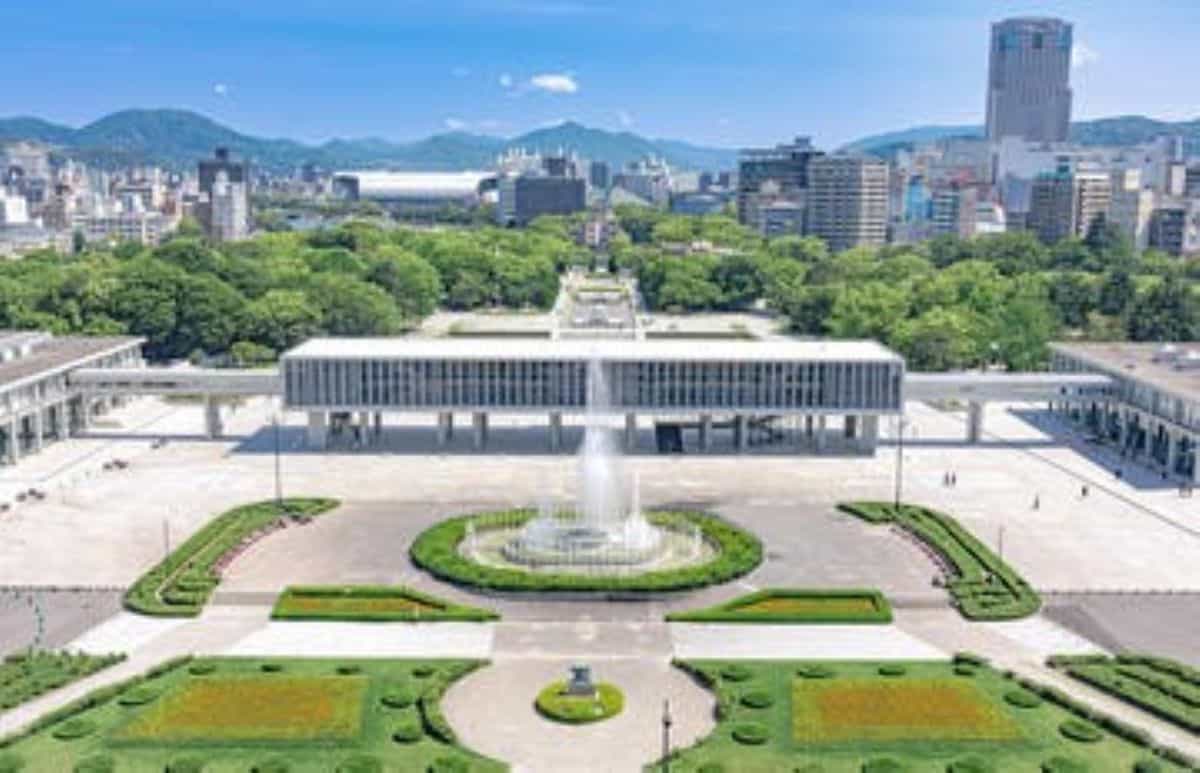
Image Credit hiroshimacvb.jp
People have come from different countries to the site of the atom bomb. A problem for Hiroshima has been that it is just one of many places on the itinerary of a tour. Therefore, little has been done to study or present Hiroshima’s history. In recent years, the number of visitors to Hiroshima has increased and the belief has been that if Hiroshima’s ruins could be restored, citizens of Hiroshima would be inspired to renovate the other parts of the city. Renovation and improvement are not limited to restoration of Hiroshima’s ruins. There are other opportunities for Hiroshima and visitors to act upon similar ideas. In the past, the end of wars has resulted in the introduction of new modes of living. C Creation of new ways of living has become a priority for Hiroshima. Therefore, visitors should educate themselves about different ways of living and help citizens of Hiroshima with similar projects.
Comprehensive Analysis of Strategic Overnight Hospitality and Strategic Tidal Scheduling
Selecting appropriate lodging locations significantly influences the overall depth and quality of any journey through western Japan. Choosing to reside overnight within Hiroshima grants visitors direct proximity to dynamic evening entertainment, extensive regional dining establishments, and comprehensive public transport systems. Conversely, reserving overnight accommodations on Miyajima rewards travelers with an remarkably tranquil setting once the daytime tourist groups return to the mainland across the bay. Furthermore, organizing daily excursions around local water movements enables tourists to view the sacred shrine portal fully surrounded by water during high tide and walk directly up to its historic foundations during low tide.
Advertisement
Advertisement
These critical planning dynamics reflect a major global shift toward deliberate, highly organized international travel practices. As historic heritage sites enact mandatory digital registration protocols, entry surcharges, and strictly regulated visitor entry windows, the global travel industry is transitioning toward more sustainable and respectful tourism frameworks designed to safeguard delicate cultural treasures for generations to come.
Exploring Sacred Heritage Sites and Natural Coastal Landscapes Across Miyajima
Advertisement
Advertisement
Across the coastal waters on Miyajima, the iconic Itsukushima Shrine remains globally celebrated for its majestic gate structure that appears to float above the sea depending on dynamic coastal tides. Visitors can ascend Mount Misen via a scenic aerial tramway or challenging forest hiking trails to take in sweeping views of the Seto Inland Sea, while wild Deer roam freely along historical island walkways.
These exceptional natural and spiritual attributes position Miyajima as an indispensable highlight within any broader itinerary across Japan. Travel experts around the world routinely emphasize the importance of monitoring local marine schedules, ensuring that visitors can appreciate both the floating visual phenomenon and the up-close foot access during a single visit.
Urban Architectural Landmarks and Local Culinary Culture Throughout the Metropolitan Center
Within the city bounds of Hiroshima, the Peace Memorial Park and the preserved Atomic Bomb Dome serve as monumental centers for international reflection and historical education. Beyond these solemn reflection zones, notable heritage landmarks like Hiroshima Castle and the exquisitely arranged traditional gardens at Shukkeien Garden present visitors with an enriching insight into historical Japanese design and classical landscape aesthetics.
The region’s rich food tradition represents another indispensable component of the local identity, highlighted by authentic Okonomiyaki—a savory layered pancake crafted with noodles, fresh cabbage, and rich specialized sauces. Sampling this signature delicacy inside local dining places allows international tourists to engage directly with neighborhood traditions, offering essential economic support to independent family-owned restaurants.
Mandatory Digital Entry Protocols and Visitor Management Systems for Historical Preservation
Advertisement
Advertisement
Individuals preparing to visit the Peace Memorial Museum are now obligated to secure a mandatory online reservation at least 48 hours in advance when aiming for morning entry slots. Authorities enacted this digital ticketing policy to eliminate massive physical queues at the main entry gates, manage daily hall capacities effectively, and prevent unreserved international guests from being turned away during peak morning operating hours.
This administrative protocol highlights a widespread global shift in heritage management, where renowned historic monuments increasingly rely on digital access controls to regulate visitor density. International travelers must now map out their daily itineraries months in advance, prompting global travel platforms to integrate their booking software directly with municipal management portals in Japan.
Key Administrative Updates and Surcharge Frameworks Across Regional Public Transport
A universal Miyajima Visitor Tax of ¥100 per individual has been directly incorporated into automated ferry ticketing terminals and electronic IC transit card readers across the region. Revenue generated from this entry levy directly supports municipal maintenance, environmental conservation projects, and infrastructure enhancements across Miyajima. Concurrently, regional pass structures have been updated, establishing the 1-day Hiroshima Tourist Pass at ¥1,200 and the 3-day wide-area Hiroshima Tourist Pass at ¥4,500.
These revised pricing schedules mirror a broader international transition toward sustainable tourism funding models. Municipalities are increasingly distributing infrastructure upkeep costs directly to incoming visitors to prevent public services from becoming overburdened. International travelers must carefully incorporate these updated tariffs into their trip budgets, while global reservation databases must continuously update their systems to ensure accurate customer pricing.
Understanding the Strategic Shift Toward Extended Regional Visits
Advertisement
Advertisement
It has been observed that foreign tourists frequently visit Hiroshima and Miyajima as rapid, single-day excursion points, motivated primarily by a sense of historical obligation. However, an in-depth examination demonstrates that rushing through these historic sites deprives travelers of experiencing the energetic, modern character of Hiroshima alongside the serene, spiritual atmosphere of Miyajima. Dedicating sufficient time to both locations encourages a comprehensive understanding of local community life, regional culinary artistry, and modern architectural developments.
This deliberate transition toward extended regional stays carries positive implications for the global travel economy. When international visitors lengthen their stay in the region, local merchant sectors experience sustained economic stability rather than unpredictable, peak-hour crowd rushes. Consequently, global tour creators are redesigning regional travel packages to prioritize multi-night itineraries, ensuring that foreign guests gain a well-rounded appreciation of both urban cityscapes and coastal island sanctuaries.
Comprehensive Breakdown of Transit Operations and Regional High-Speed Rail Systems
Modern transportation infrastructure across Japan relies heavily on high-speed rail integration, connecting major urban hubs to historic regions with remarkable efficiency. Traveling aboard the Shinkansen line from Osaka takes approximately 1 hour 35 minutes, while the journey originating from Tokyo requires roughly 3 hours 45 minutes. Upon arrival at the central station, visitors seamlessly transition to the Hiroden urban tram network, which operates at a convenient ¥220 flat rate across city routes. To reach the coastal sanctuary, regional marine ferries depart at rapid 10–15 minute intervals, completing the scenic water passage in just 10 minutes.
The strategic unification of high-speed bullet trains, electric streetcars, and coastal ferry lines optimizes total passenger throughput while drastically lowering localized carbon emissions. This multi-modal framework mitigates traffic congestion within urban centers, offering international visitors a smooth transition from nationwide rail networks to local heritage transit.
Preserving Natural Ecosystems and Managing Indigenous Wildlife Across Sacred Coastal Islands
Advertisement
Advertisement
Environmental conservation initiatives on Miyajima focus on protecting fragile ecosystems alongside an estimated population of over 500 free-roaming Sika deer. To safeguard these natural habitats, over 14% of Miyajima is legally designated as a protected UNESCO World Heritage natural zone. Furthermore, municipal authorities have implemented strict environmental mandates aimed at achieving zero single-use plastic waste along coastal walking paths and mountain trails.
Managing high volumes of international foot traffic requires carefully enforced wildlife interaction guidelines to protect native animal populations. Conservation efforts surrounding the hiking routes up Mount Misen focus on controlling soil erosion, preventing habitat disruption, and maintaining pristine forest environments for future generations.
Evaluating Seasonal Tourist Surges and Identifying Optimal Climate Windows
Visitor traffic across Hiroshima fluctuates significantly throughout the calendar year, reaching pronounced peaks during the spring cherry blossom season in April and the autumn foliage season in November, when monthly visitor numbers exceed 450,000. Conversely, winter off-peak periods in January observe dips down to approximately 180,000 visitors. The region experiences its most comfortable climate conditions between 15°C and 28°C, representing the ideal travel window for outdoor exploration.
Promoting travel during shoulder seasons helps redistribute economic benefits throughout the entire year, alleviating physical strain on popular cultural monuments. International travelers choosing off-peak travel windows benefit from lower hotel pricing, reduced waiting times at major attractions, and a more intimate cultural experience.
Local Agricultural Impact and Culinary Economic Drivers Beyond Regional Specialties
Advertisement
Advertisement
The regional food system plays a vital role in sustaining local communities, with coastal aquaculture in Hiroshima Prefecture generating over 60% of Japan’s cultured oysters. Beyond marine farming, the surrounding region houses over 40 active sake breweries, showcasing centuries of traditional brewing expertise. On average, international visitors allocate between ¥3,500 and ¥6,000 daily on regional dining experiences.
Integrating traditional agricultural supply chains directly with the hospitality sector creates a resilient economic feedback loop that supports independent farmers, coastal fishermen, and local artisans. Visitors who sample authentic regional dishes directly contribute to the financial preservation of small culinary enterprises across the region.
Comparative Economic Footprint Analysis: Day-Trippers Versus Extended Overnight Guests
Comparative economic analysis reveals a stark contrast in local spending patterns, with single-day visitors averaging a total spend of approximately ¥4,200, compared to ¥24,500 or more expended by overnight guests. Sustained demand from multi-day travelers helps maintain robust hotel occupancy rates, which average around 82% on weekends within city hotel districts.
Encouraging tourists to extend their stays beyond a brief excursion significantly boosts regional municipal tax revenues and hotel income. Extended stays disperse tourism revenue across local neighborhood shops, family-run eateries, and traditional craft markets that day-trippers rarely visit.
Spatial Distribution and Advanced Public Infrastructure for Universal Accessibility
Advertisement
Advertisement
Urban design initiatives across Hiroshima heavily emphasize inclusive transit accessibility, achieving over 95% barrier-free coverage across public tram platforms. Digital municipal kiosks provide real-time directional guidance in 4 primary languages, while station-to-hotel luggage transport services are utilized by over 30% of travelers seeking hands-free navigation.
These continuous infrastructure upgrades ensure that senior citizens, families, and individuals with mobility challenges can traverse the city independently. By prioritizing universal design and multi-lingual digital infrastructure, regional authorities establish an international benchmark for accessible urban tourism.
Cultural Preservation Protocols and Sustainable Structural Restoration Projects
Preserving historical monuments against environmental wear requires substantial public funding and specialized architectural engineering. A prime example was the comprehensive restoration of the iconic Itsukushima Shrine Torii gate, which involved more than 3 years of intensive structural restoration to repair saltwater damage, while surrounding heritage preservation zones encompass hundreds of hectares of protected land.
Maintaining historical timber structures subject to coastal weathering demands continuous financial investment and traditional woodworking expertise. These ongoing restoration efforts safeguard cultural heritage, allowing international guests to experience authentic historical craftsmanship without risking long-term structural degradation.
Emergency Preparedness Systems, Climate Resilience, and Disaster Management Infrastructure
Advertisement
Advertisement
Regional safety frameworks integrate real-time emergency alert software capable of transmitting safety notifications in 15 languages directly to mobile devices. Marine protection infrastructure features advanced surge barriers engineered to withstand severe coastal storms up to category 3+ typhoons, alongside regularly updated municipal emergency response guidelines.
Comprehensive disaster readiness protocols ensure that residents and international travelers remain informed and secure during unforeseen natural events. Investment in climate-resilient civil engineering fosters long-term global confidence in regional safety standards across western Japan.
The Final Verdict
As the tides shift, the Gate of the Rising Sun changes color from orange to crimson. At this moment you appreciate the reasons you have come. You understand the value Miyajima and Hiroshima hold for the Japanese people. You feel the desire for and the need of the people for peace. When your spirit needs soothing, these reflections bring you peace and gentle tiredness. You appreciate these feelings and emotions only once. (Reflecting on these feelings, both deep and peaceful, brings gentle tiredness and a calm spirit.)
Advertisement
