
Alaska Airlines Flight SKW3362 Seattle-Jackson Travel Diversion to Salt Lake City on Aug 4: What to Know

Published
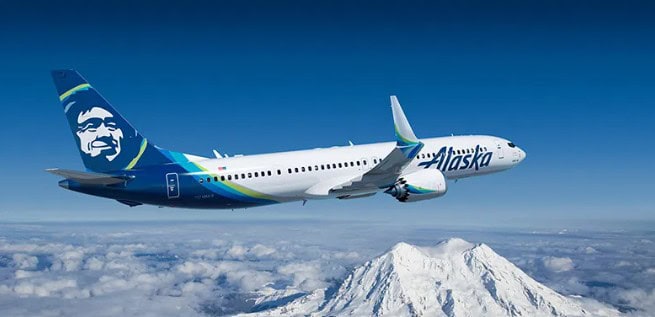
Image generated with Ai
On August 4, sky travelers on Alaska Airlines Flight SKW3362 were presented with rather unexpected developments during their routine regional flight. An Embraer E175LR aircraft initially departed from Seattle bound for Jackson, Wyoming (JAC). However, the pilots unexpectedly changed course and diverted to Salt Lake City International Airport! Fortunately, the change in course was necessitated by safety procedures, for which reason air traffic controllers quickly opened the runway for the incoming jet. Understandably, “jet-setters” were quick to ask questions about such an unexpected deviation. After all, safety is the top priority for any modern airline in the face of extraordinary circumstances during flight.
Flight DL4444, operated by SkyWest Airlines on behalf of Delta Connection using an Embraer E175LR regional jet (registration N294SY), diverted to Boise Airport (BOI) during its scheduled morning flight from Salt Lake City (SLC) to Spokane (GEG). Flight diversions are proactive safety measures triggered by unexpected mechanical indications, sudden weather shifts, or in flight medical emergencies.
Advertisement
Advertisement
What triggered the diversion of Delta flight DL4444 to Boise?
Commercial aviation operates under strict safety protocols that require immediate rerouting whenever an in flight issue arises. Flight DL4444 departed Salt Lake City International Airport (SLC) bound for Spokane International Airport (GEG), but the crew diverted the aircraft to Boise Airport (BOI) in Idaho. Operational diversions typically stem from technical telemetry warnings, localized weather disruptions, or sudden passenger medical needs.
The regional route between Utah and Washington state crosses diverse mountain terrain, making safety precautions absolute. When pilots receive caution lights or unpredicted atmospheric shifts, landing at a well-equipped alternate airport ensures complete safety. Boise Airport serves as a major diversion hub due to its ideal location, excellent emergency infrastructure, and extensive regional maintenance facilities.
Advertisement
Advertisement
Why is an Embraer E175LR commonly misidentified as an Airbus?

Image generated with Ai
Passengers and non-aviation trackers frequently confuse regional jet classifications due to similar modern livery designs and aerodynamic features. Flight DL4444 was operated by an Embraer E175LR (registration N294SY), a Brazilian-manufactured twin-engine regional jet rather than an Airbus airframe. Modern regional jets feature swept wings, winglets, and high-bypass turbofan engines that closely resemble larger mainline Airbus A320-family jetliners.
Advertisement
Advertisement
In regional fleets, SkyWest Airlines operates these 76-seat Embraer jets under the Delta Connection brand. Fleet schedules often mix mainline Airbus aircraft with regional Embraer jets on the SLC-GEG route based on daily passenger volume. Flight tracking databases sometimes cross-reference scheduled mainline equipment with actual regional aircraft, leading observers to misidentify the airframe type.
How do flight crews and air traffic control handle mid-air diversions?
Mid-air diversions follow standardized international aviation protocols designed to remove stress and uncertainty from the cockpit. Once the captain decides to divert, the flight crew contacts Air Traffic Control (ATC) to declare the situation and request immediate priority routing to the nearest suitable alternate. Controllers rapidly clear a low-conflict flight corridor, allowing the plane to descend safely toward its new destination.
Simultaneously, the pilots coordinate with airline dispatchers to arrange ground logistics, gate availability, and emergency medical or maintenance teams at the diversion airport. Flight attendants prepare the cabin and inform passengers calmly, maintaining order while the crew manages the approach. This highly structured coordination ensures that every diverted aircraft touches down safely without compromising air traffic control operations.
What happens to passengers and aircraft after landing at an alternate airport?
When a diverted flight lands at an alternate airport like Boise, ground operations immediately execute emergency response or routine rebooking protocols. Passengers remain onboard during brief technical evaluations or deplane into the terminal if extended delays are expected. Airline ground crews coordinate refueling, catering, and cabin service to minimize discomfort while mechanics conduct thorough technical inspections.
If the technical or weather issue resolves quickly, the aircraft takes off again to complete its journey to the original destination. However, if the plane requires extensive maintenance or crews exceed their legal duty hours, airlines arrange replacement aircraft or hotel accommodations. Passengers receive updated flight schedules, meal vouchers, and automatic connections, ensuring they reach their final destination efficiently despite the disruption.
Advertisement
Advertisement
Why did the pilot divert? Jackson Hole Airport frequently presents challenging alpine landing conditions, including sudden crosswinds, severe turbulence, or low visibility. Alternatively, unexpected mechanical warnings or in flight medical emergencies require immediate grounding. In this instance, Salt Lake City offered superior runway infrastructure, dedicated SkyWest maintenance support, and optimal refuelling facilities. Therefore, the captain prioritised passenger safety over schedule delays. Operating under strict aviation rules, flight crews must land at the safest alternate airport whenever operational parameters shift. Consequently, landing in Utah provided the crew with full operational flexibility to assess and resolve the issue quickly.
While unexpected diversions inevitably cause inconvenience and schedule frustration for travellers, strict adherence to aviation protocols prevents minor technical or weather challenges from evolving into critical inflight hazards. Airline technicians conduct comprehensive diagnostic procedures and safety checks before clearing any regional jet, such as the Embraer E175LR, to return to active commercial service. Consequently, affected passengers successfully reached their intended destinations with minimal overall delay—reaffirming that proactive cockpit decisions and immediate rerouting strategies consistently keep public safety as the absolute, non-negotiable priority in global air travel.
The flight diversion that led to an emergency landing at the Salt Lake City airport is yet another example of the efficiency of modern-day airplane safety measures. The ground personnel handled the unexpected situation well, as they provided the passengers with all necessary support, updated them concerning their connections, and ensured that everyone was comfortable. Although such unplanned changes to travel itineraries are undoubtedly inconvenient for the passengers, they are vital safety precautions without which several incidents that occurred recently would have turned into much more severe disasters. Several airline engineers had to inspect the ERJ before it could return to service, which caused some delays; however, the passengers were ultimately able to reach their destination without experiencing any significant inconveniences beyond the interruption of their flights. Thus, it can be concluded that in all flights, the safety of the passengers remains the absolute priority, which spurs the crews to make even unpopular but necessary decisions.
Advertisement
