
American Airlines Flight Returns to LAX After Passengers Report Fumes in Cabin, Raising Concerns Over Air Quality and Passenger Safety in U.S.

Published
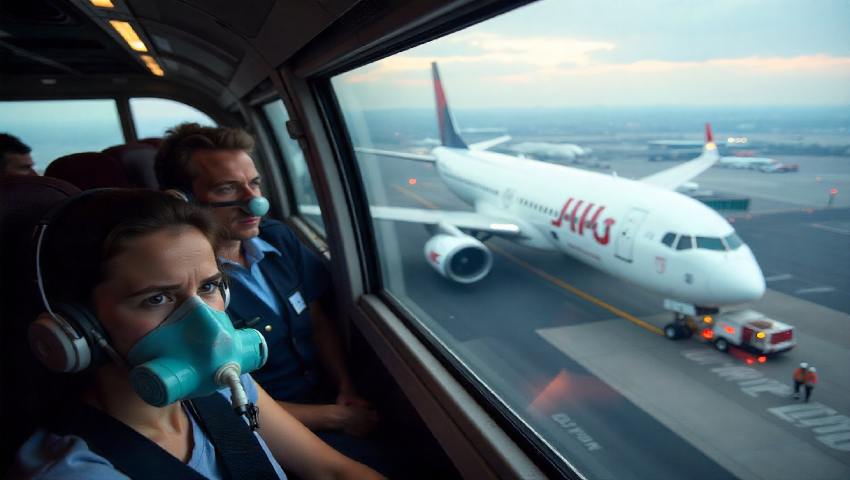 Image generated with Ai
On Tuesday afternoon, a flight from Los Angeles International Airport (LAX) to JFK International Airport in New York experienced an emergency return to Los Angeles after multiple passengers reported feeling ill due to fumes in the cabin. The incident highlights the importance of cabin air quality and the safety measures that are in place to protect passengers and crew during unexpected situations.
The Incident: A Sudden Change in Course
The flight, operated by American Airlines, had taken off from LAX just before 5 p.m., heading east toward New York. However, shortly after takeoff, several passengers began to complain about feeling unwell, citing a possible issue with the air quality inside the aircraft. According to reports, the pilots were informed of the situation and also noticed unusual symptoms, including a distinct odor in the cabin.
Advertisement
Advertisement
In response to the passenger complaints, the pilots made the decision to turn the aircraft around, returning to LAX for an emergency landing. This decision was made out of an abundance of caution, prioritizing the safety and well-being of everyone on board.
Pilots’ Actions and Crew Response
The pilots reported that they too had experienced symptoms, including a strange taste and smell in the cockpit. For their safety, they immediately donned oxygen masks while in flight, following standard procedure for such situations. Oxygen masks are essential in cases where air quality issues are suspected, and they help ensure the safety of the flight crew while they handle the situation.
Advertisement
Advertisement
This quick response by the flight crew shows how well-prepared they are to handle emergencies and respond to any potential threats that may arise mid-flight. The use of oxygen masks and the decision to turn the plane around demonstrate the high level of training that airline personnel undergo to manage situations that could potentially compromise passenger safety.
Emergency Landing and Medical Evaluation
As the plane turned back to Los Angeles, it performed a loop over the Los Angeles area before safely landing at LAX. Flight tracking services, such as FlightRadar24, confirmed the plane’s course change, showing the aircraft’s loop before returning to the airport for its emergency landing.
Advertisement
Advertisement
Upon landing, emergency services were immediately deployed to evaluate the passengers and crew members who had been affected by the fumes. Seven passengers were evaluated by medical personnel, but thankfully, no one required transport to a hospital. According to the Los Angeles Fire Department, no significant medical concerns were found, and the situation did not pose a major risk to those on board.
Although passengers were understandably shaken by the experience, it was confirmed that nothing dangerous had been detected during the incident. The safety measures in place, including the emergency return and the crew’s immediate response, ensured that all passengers were kept safe during the potentially hazardous situation.
Advertisement
Advertisement
The Importance of Cabin Air Quality and Aircraft Safety
This incident brings attention to the ongoing discussions about air quality in aircraft cabins. While rare, similar incidents involving fumes or odors in the cabin have raised concerns about the safety of cabin air systems. The air filtration systems in modern aircraft are designed to provide a steady flow of fresh air to maintain the comfort and health of passengers. However, incidents like this show that, despite technological advancements, occasional issues with air quality can still occur.
In this case, American Airlines responded quickly, and no major safety issues were reported. However, it is important for airlines to continue investing in maintenance and monitoring of their air systems to avoid similar incidents in the future. Regular checks and improvements in air filtration technology will ensure that passenger safety is never compromised, even when unexpected situations arise.
Flight Rescheduled and Further Action
After the emergency landing at LAX, the flight was rescheduled, and passengers were informed that they would be able to board a later flight to New York. While the incident caused delays and some concern, passengers were reassured that they would be safely transported to their destination after the issue was resolved.
In the days following the incident, American Airlines conducted further checks on the aircraft to ensure that no issues remained. Additionally, the airline issued a statement expressing their commitment to passenger safety and thanked the crew for their professionalism in handling the situation. The FAA and relevant authorities were also notified of the incident, as required by aviation regulations.
Advertisement
Advertisement
The Role of Aviation Safety Protocols
This incident serves as a reminder of the importance of aviation safety protocols, particularly when it comes to air quality and passenger well-being. While such events are rare, airlines and air traffic controllers are trained to react swiftly and decisively to any potential threat to flight safety.
The actions of the flight crew and ground services ensured that the situation was resolved without major incident. The quick decision to return to LAX and the deployment of emergency medical teams helped prevent any further complications for the passengers and crew. This response underscores the strength of the aviation industry’s safety culture, where the protection of passengers is always the top priority.
Conclusion: Ensuring Passenger Safety in All Circumstances
The American Airlines flight incident, while unsettling for those on board, ended without serious consequences. The airline’s response, along with the actions of the crew and emergency personnel, ensured the safety of everyone involved. The situation highlights the importance of quick decision-making, safety protocols, and effective communication in aviation, especially when dealing with unexpected events.
For travelers, this incident serves as a reminder of the precautions and safeguards that airlines have in place to ensure their safety at all times. Though the experience may have been uncomfortable, the actions taken by the flight crew and the airline ensured that no lives were at risk. As the aviation industry continues to evolve, ensuring the highest levels of passenger safety and aircraft maintenance will remain at the forefront of its mission.
Advertisement
