

Japan is Now on Top of New Tourism Rankings as South Korea Rises to 12th With More Balanced Travel Demand

Published
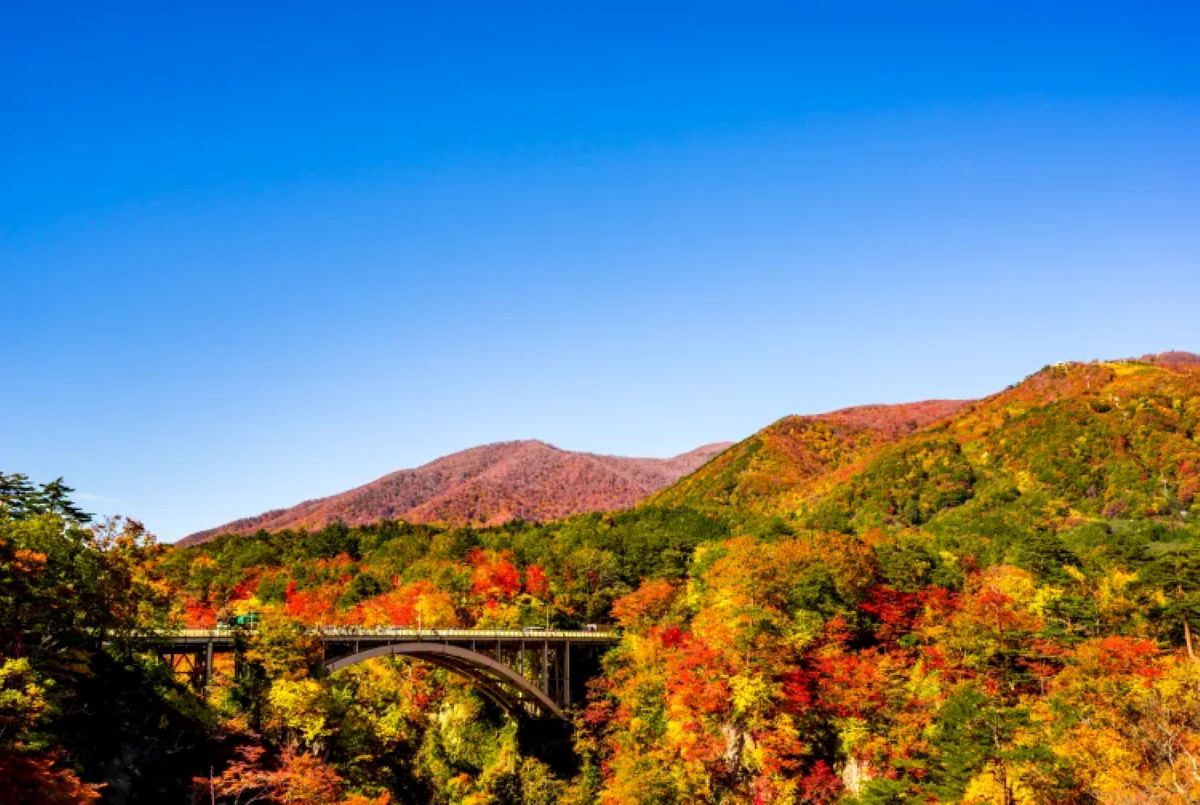
Japan leads the latest Tourism Rankings, while South Korea ranks 12th, up from 13th in its government’s comparison. The international assessment appeared on 25 September 2026, followed by Korea’s tourism ministry announcement on 8 October. Its 102 indicators examine the conditions supporting tourism across 110 economies. For visitors and travel businesses, the results highlight strengths in transport, technology and culture alongside affordability concerns. They provide destination-planning evidence, but introduce no immediate changes to visas, services or existing bookings.
What the Verified Evidence Shows
The WEF 2026 Travel Index, formally the Travel & Tourism Development Index 2026, measures supporting conditions rather than arrivals or revenue. The following shares represent an editorial assessment of story emphasis, not official statistics, measured tourism effects or levels of certainty. They total 100%.
Advertisement
Advertisement
| News Component | Share of Story | Officially Verified Finding | Relevance to Travellers | Official Source |
|---|---|---|---|---|
| Global competitiveness | 30% | Japan leads 110 assessed economies | Compares destination conditions | Original index |
| Korean infrastructure and resources | 25% | Digital readiness first; ground and port infrastructure ninth | Identifies supporting strengths | Korean government release |
| Sustainability and seasonality | 20% | Korea reaches 13th for sustainability and fourth for seasonality | Shows more balanced arrivals | Korean government release |
| Affordability and hospitality | 20% | Four price indicators outside the top 50; hospitality reputation 65th | Highlights relative weaknesses | Korean government release |
| Passport clarification | 5% | Korea’s passport-mobility indicator ranks second | Concerns outbound access, not entry eligibility | Government release and methodology † |
These Tourism Rankings establish relative strengths across the assessed systems. They do not demonstrate that publication increased bookings, lowered prices or changed entry rules. The immediate development is a completed international assessment and a national review of its findings.
From the September Release to Korea’s October Findings
The chronology begins with data collection in May 2026, using the latest available information, including some earlier reporting periods. Publication followed on 25 September, and Korea’s detailed government announcement appeared on 8 October. As of 12 October, the confirmed development remains the published results. No new route, border measure or implementation deadline accompanies the national announcement. Travellers therefore face no operational change arising from the ranking itself.
Advertisement
Advertisement
One correction matters when comparing Tourism Rankings. The Korean notice calls the assessment “2025” and refers to a “2023” comparison. The original publication carries the 2026 title and recalculates historical results, including 2024. Korea’s reported one-place rise should remain attributed to its government comparison. Readers should use the current edition’s revised historical series, rather than comparing positions copied from different publications with potentially different coverage. The assessment converts indicators to a common scale from one to seven, then aggregates them through the pillars. One represents the weakest outcome; seven the strongest. Five broad dimensions organise presentation but do not determine the overall score. A ranking movement alone cannot quantify underlying improvement.
Understanding the Context Behind the Development
Publication triggered the announcement; it did not create the underlying tourism conditions. The findings identify several supporting strengths, without isolating one cause of Korea’s overall movement. For travel businesses, that distinction separates evidence about destination capacity from unproven claims about commercial gains.
Advertisement
Advertisement
Digital Readiness and Public Services
The WEF 2026 Travel Index places Korea first for digital readiness, ninth for ground and port infrastructure, ninth for non-leisure resources and tenth for cultural resources. Business centres and educational assets fall within non-leisure resources. Korea reaches the top ten on 27 of 102 indicators, approximately 26.5%, with six first places representing about 5.9%. Those leading indicators cover organised-violence risk, drinking water, sanitation, hospital-bed density, energy-efficiency regulation and timely tourism statistics. Together, these findings explain Korea’s strengths in the Tourism Rankings, without guaranteeing that every visitor will have an identical experience. All five broad dimensions improved in the government’s comparison. Tourism resources reached 14th, the enabling environment 18th, infrastructure and services 25th, and tourism policy and enabling conditions 47th. Ten of the 17 individual pillars improved.
A More Balanced Tourism Calendar
Korea’s sustainability position improves from 20th to 13th, while international arrival seasonality moves from 33rd to fourth. Sustainability covers several dimensions beyond environmental performance. Seasonality measures the busiest three months’ share of annual arrivals, using a 2024–2025 moving average. A 29-place improvement is not a 29% change in arrivals. More even demand can help businesses plan staffing and services, but that is analysis rather than a measured revenue gain. National results also cannot establish that every attraction experiences fewer crowds.
The strongest supported explanation is a combination of digital, public-service, transport and demand strengths. How much the published ranking will influence individual booking decisions remains unestablished.
Costs and Service Gaps Behind the Tourism Rankings
The WEF 2026 Travel Index also identifies limits to Korea’s competitiveness. Hotel prices, purchasing power, petrol and short-term rentals all rank outside the leading 50. Purchasing power compares price levels across economies, not visitors’ personal budgets. The hotel measure covers midscale to upper-upscale accommodation. Hospitality reputation ranks 65th and reflects online discussion about residents’ welcome, rather than inspections of every hotel. Tourism’s share of government spending ranks 76th, while air-service agreements rank 62nd. Air-service agreements are weighted by how open they are, so that position is not a count of scheduled routes. Likewise, the spending indicator is a share of government expenditure, not a budget total or evidence of a funding cut. The hotel comparison uses average room rates over the 12 months through July 2025. Hospitality reputation covers online discussion from March 2025 to March 2026. Both therefore describe defined reporting periods, rather than live prices or every traveller’s current experience.
The global comparison provides perspective. Japan leads the United States, Spain, Australia, France, Germany, the United Kingdom, China, Switzerland and Italy. Across the recalculated 2024–2026 comparison, 101 of 110 economies improved their scores, approximately 92%. Asia-Pacific’s average increased 3.6%, the strongest regional gain. High-income economies occupy 19 of the leading 20 positions, or 95%. Strong infrastructure remains a distinguishing feature, but a high overall position does not establish affordability for every itinerary. Japan’s accompanying case study connects its rise with stronger demand sustainability and openness. It describes efforts to diversify source markets and encourage travel beyond major urban gateways. These are supporting developments, not consequences caused by publication of the index.
What Travellers Should Check Next
The WEF 2026 Travel Index does not change border requirements. Korea’s second-place passport-mobility result concerns Korean passport holders travelling abroad; visitors entering Korea must check the separate rules applying to their nationality, purpose and stay.
Advertisement
Advertisement
- Confirm passport and visa requirements through official immigration guidance.
- Compare actual accommodation prices for your intended dates.
- Check transport timetables, fares and accessibility with operators.
- Do not alter bookings solely because a ranking changed.
Tourism Rankings provide background for those checks, rather than replacing them. Korea’s announced next step is to analyse results, strengthen competitive areas and address weaknesses. No funded programme, implementation timetable or new visa measure accompanies that commitment. Travellers should watch for separate operational announcements; the review itself requires no immediate change to plans.
A Clearer Basis for Future Travel Decisions
Japan’s leadership and Korea’s improvement make Tourism Rankings useful for understanding the systems behind a destination. Digital services, transport, culture and public facilities support tourism, while costs and hospitality perceptions reveal areas needing attention. More balanced arrivals may help businesses plan, but commercial benefits have not been established by this announcement. Travellers should continue using current entry guidance, actual prices and service information when booking. Korea has committed to reviewing its strengths and weaknesses, without announcing a timetable for new measures. The practical value lies in informed comparison, while future travel changes require separate official confirmation before influencing individual journeys.
Advertisement
