

Greece’s Athens Uncovers Hidden Urban Gems as Kypseli, Pangrati, Psirri and Exarchia Steal the Spotlight

Published
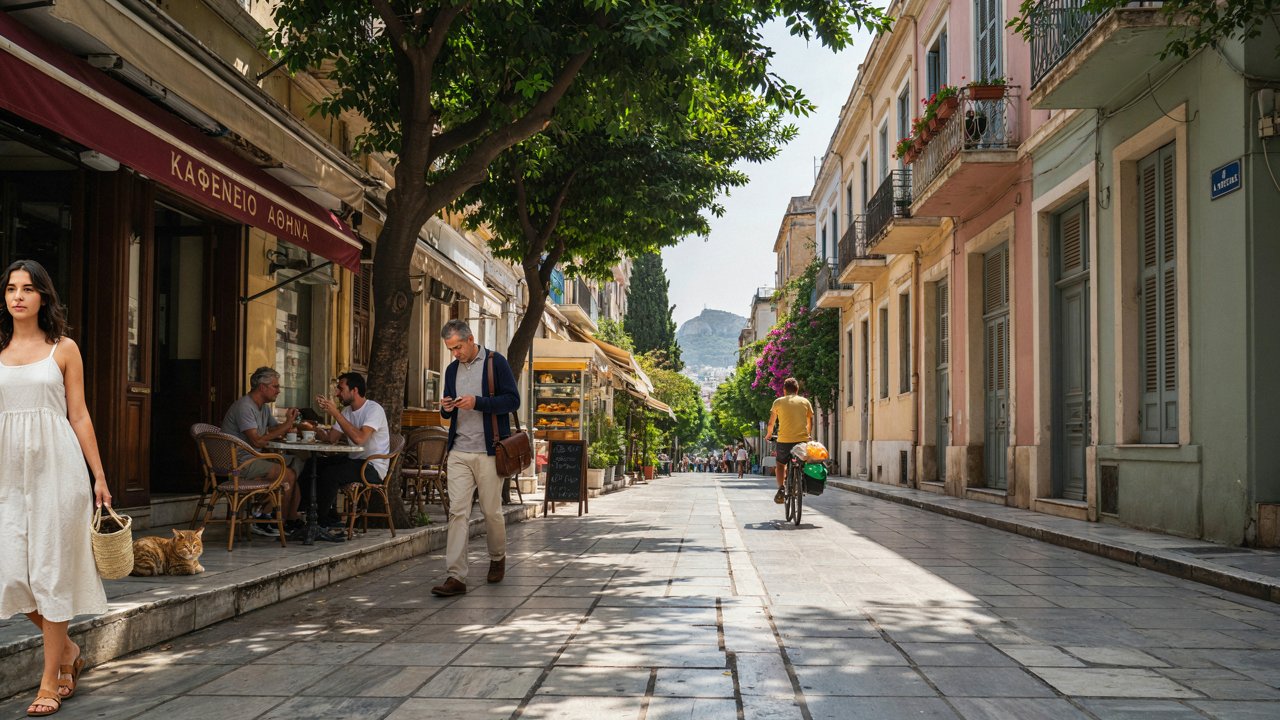
Greece’s Athens is revealing an exciting identity beyond its celebrated ancient monuments, as neighbourhoods such as Kypseli, Pangrati, Psirri and Exarchia offer visitors a compelling mixture of creative culture, independent cafés, historic architecture and authentic urban experiences. While the Acropolis continues to dominate the capital’s international appeal, these residential and cultural districts introduce travellers to the everyday rhythm of modern Greek life. From Kypseli’s multicultural streets and Pangrati’s artistic atmosphere to Psirri’s nightlife and Exarchia’s alternative culture, Athens offers an increasingly varied city-break experience. Visitors can discover traditional markets, contemporary galleries, neighbourhood squares and local dining without leaving the Greek capital.
Why Are Athens’ Neighbourhoods Becoming Essential Attractions for Travellers?
Athens has long attracted international visitors through its archaeological heritage, particularly the Acropolis, Ancient Agora and surrounding historic centre. However, the city’s appeal extends into neighbourhoods where modern cultural life unfolds.
Advertisement
Advertisement
The Greek National Tourism Organisation highlights the diversity of Athens, recognising areas such as Kypseli, Exarchia and Kolonaki for their distinctive identities.
These districts offer experiences that differ from conventional sightseeing. Visitors can explore independent shops, discover street art, enjoy traditional Greek food and experience local social life.
Advertisement
Advertisement
Many neighbourhoods are accessible from central Athens, making them practical additions to short holidays.
Their appeal lies in the contrast between historic architecture and contemporary creativity, allowing travellers to experience the capital as a living city rather than simply an archaeological destination.
Advertisement
Advertisement
What Makes Kypseli One of Athens’ Most Fascinating Cultural Neighbourhoods?
Kypseli is among Athens’ most culturally diverse residential districts, known for its architectural heritage, community atmosphere and independent cultural spaces.
Situated north of the historic centre, the neighbourhood developed considerably during the twentieth century. Its buildings reflect architectural influences including Art Deco, Bauhaus, neoclassical design and post-war modernism.
Advertisement
Advertisement
Today, Kypseli is home to communities with roots in Greece, Africa, Asia and Eastern Europe, contributing to its multicultural character.
The neighbourhood’s social life centres on pedestrian streets, cafés, markets and small public squares.
Fokionos Negri, one of its best-known streets, provides a leafy pedestrian promenade lined with restaurants and gathering places.
Rather than presenting a polished tourist district, Kypseli offers visitors a more residential perspective on Athens, where different generations and communities share the same streets.
Advertisement
Advertisement
Why Is Kypseli Municipal Market an Important Stop for Culture and Local Experiences?
Kypseli Municipal Market represents the neighbourhood’s transformation from a traditional commercial centre into a community-focused cultural destination.
Originally built in 1935, the market operated as a food-shopping venue for decades before closing in 2003.
Following restoration and redevelopment, the historic building became a space for social enterprises, creative activities, workshops and community events.
Its architectural character reflects the modernist influences that shaped Athens during the twentieth century.
For visitors, the market offers an opportunity to explore local initiatives rather than conventional souvenir shopping.
Nearby Fokionos Negri and St George’s Square provide additional opportunities to experience the neighbourhood’s café culture.
Advertisement
Advertisement
The surrounding streets also contain independent theatres and historic residential buildings, making Kypseli particularly interesting for travellers who enjoy discovering cultural attractions beyond major landmarks.
How Has Pangrati Become a Favourite Destination for Art, Cafés and Contemporary Greek Culture?
Pangrati offers a different urban atmosphere, combining established residential traditions with contemporary cultural attractions.
Located close to central Athens, the neighbourhood is known for its cafés, restaurants, galleries and lively public squares.
Platia Varnava and Platia Proskopon serve as important social gathering places, attracting residents throughout the day and evening.
Pangrati has long been associated with writers, musicians, academics and other cultural figures.
The neighbourhood also benefits from its proximity to major attractions, including the Panathenaic Stadium and the National Gallery.
Advertisement
Advertisement
The Basil and Elise Goulandris Foundation’s museum, opened in 2019, further strengthened the area’s cultural appeal.
For travellers seeking a neighbourhood where modern art, traditional Greek dining and relaxed street life meet, Pangrati offers an attractive alternative to the busiest tourist districts.
Why Does Psirri Offer One of Athens’ Most Energetic Nightlife Experiences?
Psirri is a lively district where traditional craftsmanship meets contemporary entertainment.
Located near Monastiraki, the neighbourhood contains narrow streets, historic workshops, restaurants, bars and colourful street art.
Its transformation has attracted creative businesses while preserving elements of its commercial past.
Iroon Square remains an important meeting point, surrounded by cafés and restaurants that become particularly lively during the evening.
Advertisement
Advertisement
Visitors can also explore Pittaki Street, known for its decorative lighting and distinctive urban atmosphere.
Psirri appeals to travellers who want to experience Athens after dark, although its daytime attractions include artisan workshops, independent shops and traditional eating places.
The combination of historic character and contemporary nightlife makes the neighbourhood an interesting addition to an Athens itinerary.
What Makes Exarchia Different From Athens’ Conventional Tourist Districts?
Exarchia is recognised for its alternative cultural identity, independent bookshops, street art and connections with Athens’ student and intellectual communities.
Situated between Kolonaki and Kypseli, the district has developed a reputation for political expression, artistic experimentation and independent cultural activity.
Its streets contain cafés, music venues, bookshops and murals reflecting different aspects of contemporary Greek society.
Advertisement
Advertisement
Unlike more commercialised tourist areas, Exarchia retains a strong residential and countercultural identity.
Visitors interested in urban history, photography and contemporary culture may find the district particularly engaging.
However, travellers should respect residents and remain aware that public demonstrations occasionally take place in the area.
Exarchia provides a different perspective on Athens, highlighting the city’s contemporary social and cultural character.
Which Other Athens Neighbourhoods Should Travellers Include in Their Itinerary?
Athens offers numerous districts with contrasting attractions, allowing visitors to combine historical sightseeing with modern urban exploration.
| Neighbourhood | Main attraction | Recommended experience |
|---|---|---|
| Kypseli | Multicultural community and historic market | Architecture, cafés and local culture |
| Pangrati | Artistic atmosphere and public squares | Galleries, dining and café culture |
| Psirri | Nightlife and street art | Restaurants, artisan shops and evening entertainment |
| Exarchia | Alternative cultural identity | Bookshops, murals and independent cafés |
| Koukaki | Acropolis proximity and local dining | Museums, restaurants and walking |
| Monastiraki | Historic market district | Shopping and archaeological sightseeing |
| Plaka | Traditional streets and historic buildings | Heritage exploration |
| Kolonaki | Museums and boutiques | Shopping and cultural attractions |
| Gazi | Entertainment and contemporary culture | Nightlife and cultural venues |
These destinations offer different experiences while remaining within the wider Athens metropolitan area.
Advertisement
Advertisement
How Can Travellers Explore Athens’ Neighbourhoods in Three Days?
A three-day itinerary allows visitors to experience both the city’s famous monuments and its contemporary neighbourhoods.
| Day | Destinations | Suggested activities |
|---|---|---|
| Day One | Plaka, Monastiraki and Psirri | Historic sightseeing, markets, street art and dining |
| Day Two | Pangrati and Koukaki | Museums, cafés, galleries and local restaurants |
| Day Three | Kypseli and Exarchia | Municipal market, architecture, bookshops and cultural exploration |
Visitors should allow time for walking, as many neighbourhoods are best appreciated on foot.
Athens’ public transport network provides connections between central districts, although some areas require additional walking from metro stations.
When Is the Best Time to Explore Athens’ Creative Neighbourhoods?
Spring and autumn are generally attractive periods for walking around Athens, as temperatures are often more comfortable than during the hottest summer months.
October can be particularly suitable for neighbourhood exploration, although visitors should prepare for occasional rainfall.
Summer offers longer evenings and opportunities to experience outdoor dining and seasonal cinemas, but high temperatures can make daytime walking uncomfortable.
Advertisement
Advertisement
Winter provides another perspective on the city, with indoor cultural attractions, restaurants and museums remaining important visitor experiences.
For travellers interested in cafés, markets, architecture and street photography, Athens offers opportunities throughout the year.
Frequently Asked Questions
1. Which Athens Neighbourhood Is Best for Experiencing Local Culture?
Kypseli offers a distinctive multicultural atmosphere, with historic architecture, community spaces, cafés and a restored municipal market.
2. Is Pangrati Worth Visiting During a Short Athens Holiday?
Yes. Pangrati combines cultural attractions, restaurants and lively public squares, making it suitable for a half-day or longer excursion.
3. Where Can Tourists Experience Athens’ Nightlife?
Psirri and Gazi are established nightlife destinations, offering restaurants, bars and entertainment venues.
4. Is Kypseli Close to Central Athens?
Yes. Kypseli lies north of the historic centre. Victoria metro station provides one approach, followed by walking or local transport.
Advertisement
Advertisement
5. Can Visitors Explore Several Athens Neighbourhoods in One Day?
Yes. Nearby districts such as Monastiraki, Psirri and Plaka can be combined comfortably. More distant areas may require public transport.
6. Why Are Athens’ Residential Neighbourhoods Worth Exploring?
They offer opportunities to discover local architecture, food, community life and contemporary culture beyond the capital’s internationally recognised archaeological attractions.
Conclusion: Athens Offers Much More Than Its Ancient Monuments
Athens’ neighbourhoods reveal a compelling contrast between the city’s celebrated ancient history and its contemporary cultural identity. Kypseli introduces visitors to multicultural community life, Pangrati offers artistic attractions and lively cafés, Psirri delivers energetic nightlife, and Exarchia highlights the capital’s independent creative culture.
Together with Plaka, Monastiraki, Koukaki and Kolonaki, these districts provide opportunities to explore Athens through architecture, gastronomy, art and everyday experiences.
For travellers looking beyond conventional sightseeing, the Greek capital offers a rewarding city break where historic landmarks and modern neighbourhood culture can be discovered within the same journey.
Advertisement
