

Birmingham Airport Expansion Unveils UK’s £2bn Aviation Ambition With Terminal Upgrades and 30 Million Passengers

Published
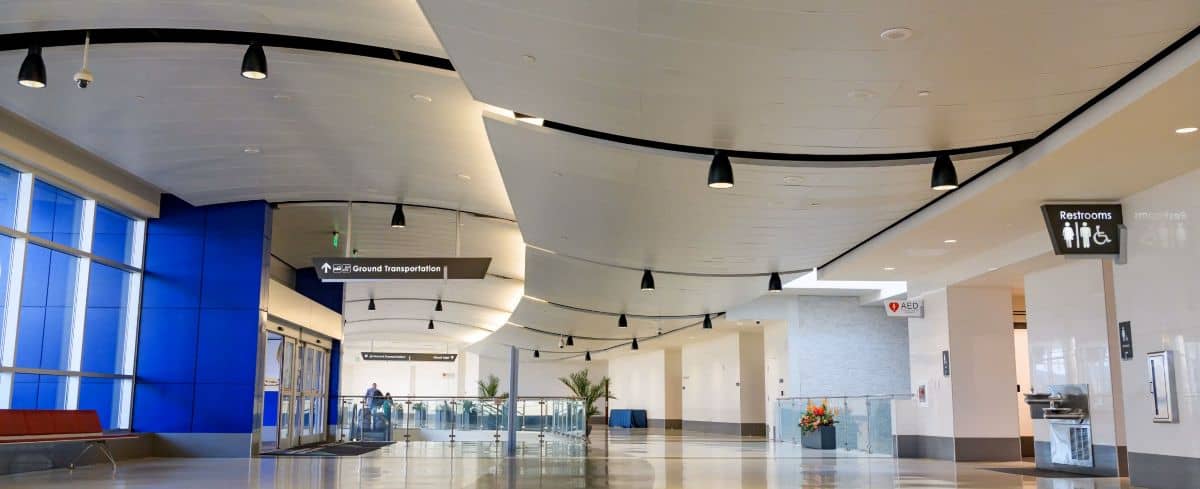
Birmingham Airport has unveiled a £2 billion expansion plan designed to more than double annual passenger numbers to 30 million over the next 15 years. The proposed Birmingham Airport expansion includes upgraded terminal and baggage facilities, additional aircraft stands and improved surface access. Airport executives say the investment could support more than 50,000 jobs, including 3,800 on-site positions. The first phase could begin in 2027, subject to the development process and investment conditions. An eight-week public consultation will allow residents, businesses and travellers to influence the proposals. For passengers, the central questions concern terminal capacity, baggage reliability, transport connections and how the airport will manage growth without compromising service quality.
A 15-Year Blueprint Puts Passenger Capacity in Focus
The airport’s draft Master Plan sets out a development pathway through 2041, prioritising better use of existing runway capacity rather than announcing a new runway. According to the airport’s announcement on 8 October 2026, the proposed investment could generate an additional £3.6 billion in gross value added (GVA) for the West Midlands economy.
Advertisement
Advertisement
The distinction matters for passengers. More capacity does not necessarily mean more aircraft movements alone. It also requires efficient check-in, immigration, baggage handling, aircraft parking and transport links, particularly during concentrated departure and arrival peaks.
Birmingham handled 13,654,108 passengers during 2025, according to its published annual figures. Reaching the proposed 30 million annual passengers would mean an increase of approximately 120% from that baseline.
Advertisement
Advertisement
| Key measure | Current position or proposal |
|---|---|
| Proposed investment | More than £2 billion |
| Passenger traffic in 2025 | 13.65 million |
| Target annual passenger capacity | Approximately 30 million |
| Planning horizon | Through 2041 |
| Potential employment impact | More than 50,000 jobs |
| Proposed on-site jobs | 3,800 |
| Potential additional regional GVA | £3.6 billion |
| Indicative first development phase | Could begin in 2027 |
The projected passenger target is ambitious, but it remains a planning objective rather than an immediate operational change. The consultation process will help shape the final master plan before the airport advances its development proposals.
For travellers, the most important question is whether infrastructure investment will keep pace with demand. Additional passenger capacity offers limited practical benefit if queues, baggage delays or overcrowded access roads undermine the journey.
Advertisement
Advertisement
Terminal Upgrades Could Improve Airport Experience
The proposed investment focuses on passenger facilities, additional aircraft stands, baggage infrastructure and surface access. These components affect different stages of a journey, from arriving at the airport to collecting luggage after landing.
Baggage reliability deserves particular attention. The supplied report highlights problems with Birmingham’s baggage system in August, when passengers experienced disruption and some were left without their luggage. The latest master plan therefore arrives amid wider questions about operational resilience and the airport’s ability to handle rising demand.
However, the announcement does not establish that the entire baggage system will be replaced. Nor does it specify a confirmed completion date for every proposed terminal improvement. Travellers should distinguish the broad development vision from funded, scheduled construction projects.
| Proposed improvement | Potential benefit for travellers | What remains uncertain |
|---|---|---|
| Enhanced terminal facilities | More space and improved passenger circulation | Final layouts and delivery dates |
| Baggage infrastructure investment | Potentially more reliable luggage processing | Exact equipment specifications and performance targets |
| Additional aircraft stands | Greater flexibility for aircraft parking and turnaround | Final number of new stands |
| Improved surface access | Potentially easier journeys to and from the airport | Specific road, rail and public transport interventions |
| Capacity for more passengers | Scope for future route and schedule growth | Which airlines will add flights or destinations |
The airport has already pursued incremental capacity improvements. Its published 2024/25 results described plans involving an additional baggage carousel, expanded immigration facilities and two further security screening lanes. These measures formed part of earlier efforts to accommodate increasing passenger volumes.
The new master plan extends that longer-term approach. Nevertheless, travellers should not assume every facility mentioned in previous investment announcements forms part of a single construction programme or shares the same delivery schedule.
More Flights Will Depend on Airline Decisions
A larger terminal does not automatically produce new destinations or more frequent services. Airlines make network decisions based on passenger demand, aircraft availability, operating costs, airport charges and the commercial performance of individual routes.
Advertisement
Advertisement
Birmingham’s passenger growth could strengthen its appeal to airlines seeking access to the Midlands market. More airport capacity may also make it easier to accommodate schedule changes and additional services during busy travel periods.
The airport reported more than 13.65 million passengers in 2025, while its published network information has identified destinations across Europe and beyond. Its annual passenger figures also recorded strong demand during December, when nearly 944,000 travellers used the airport.
For leisure travellers, future growth could create opportunities for more direct holiday routes. Business passengers could benefit from improved connectivity to commercial centres, particularly if airlines add services that reduce the need for connections through other airports.
However, no specific new routes, airlines or additional frequencies are guaranteed by the master plan. Travellers should continue checking airline booking systems and the airport’s official flight information before making travel decisions.
The expansion could also benefit inbound tourism. More convenient international access can help visitors reach Birmingham, Coventry, Warwickshire and other destinations across the wider Midlands. Yet the eventual tourism impact will depend on airline commitments, accommodation availability, visitor spending and transport links beyond the airport.
Surface Access Could Shape the Entire Journey
Airport capacity extends beyond the terminal building. Passengers must also reach check-in reliably, while airport employees, taxis, buses, delivery vehicles and other road users compete for access around busy periods.
Advertisement
Advertisement
The draft master plan identifies improvements to surface access as part of its long-term development strategy. However, the published announcement does not provide a complete, confirmed schedule of road schemes, rail upgrades or additional public transport services. Those details matter because an airport capable of handling more passengers could place additional pressure on surrounding transport infrastructure.
For travellers, the practical implications are significant. Better access could reduce uncertainty around departure times and improve connections between flights, hotels, railway stations and regional attractions. Conversely, insufficient transport capacity could shift congestion from the terminal to the surrounding road network.
| Surface access priority | Why it matters | Information travellers should monitor |
|---|---|---|
| Road access | Traffic congestion can increase journey times | Roadworks, diversions and peak-period delays |
| Rail connections | Reliable trains can reduce dependence on cars | Timetables, engineering works and service changes |
| Bus and coach services | Public transport supports regional access | Frequency, operating hours and airport stops |
| Taxi and private-hire access | Pick-up and drop-off arrangements affect convenience | Designated zones, charges and access restrictions |
| Accessible transport | Passengers with reduced mobility need dependable connections | Step-free access and assistance arrangements |
The Department for Transport’s wider airport expansion policy also recognises the importance of coordinating capacity growth with environmental obligations and supporting infrastructure. Its January 2025 policy update framed aviation expansion around economic growth while maintaining the need to address climate and environmental impacts.
Until Birmingham publishes specific implementation details, travellers should not assume the proposal guarantees faster journeys or new transport services. The eventual benefit will depend on which improvements receive approval, funding and delivery dates.
Sustainability Must Match Passenger Growth
The airport has pledged to pursue growth responsibly, with community engagement forming part of its planning approach. Its published sustainability strategy addresses climate change, air quality, noise, biodiversity, water management and the quality of life of nearby communities.
These considerations will become increasingly important as passenger volumes rise. More passengers can generate economic benefits, but airport expansion also raises questions about aircraft emissions, ground transport, construction impacts and local noise exposure.
Advertisement
Advertisement
The UK Government’s aviation policy places economic development alongside climate and environmental responsibilities. Its January 2025 statement identified sustainable aviation fuel as one element of the transition, with the UK mandate beginning at 2% of aviation fuel supply in 2025 and targets increasing to 10% in 2030 and 22% in 2040.
Those national targets provide useful context, but they should not be mistaken for a Birmingham-specific emissions commitment. The airport’s development proposals will need to demonstrate how growth can be managed alongside applicable environmental requirements.
| Issue | Why it matters as the airport grows |
|---|---|
| Aircraft noise | Nearby communities may experience changes in noise exposure as operations evolve |
| Air quality | Aircraft operations and road traffic can affect local pollution levels |
| Climate impact | Passenger growth increases the importance of credible emissions mitigation |
| Biodiversity and water | Construction can affect habitats, drainage and local environmental systems |
| Sustainable transport | Public transport and other lower-emission journeys can help manage ground-access impacts |
For travellers, sustainability increasingly forms part of the wider airport experience. However, claims of responsible growth will carry greater weight when supported by measurable targets, published progress reports and transparent environmental assessments.
How Birmingham Compares With Earlier Plans
Birmingham is building on an established programme of incremental airport development rather than starting from scratch. Its earlier planning strategy covered 2018–2033, while the new draft Master Plan extends the planning horizon to 2041.
The earlier programme focused on accommodating rising demand through terminal and operational improvements. The new proposal broadens the ambition towards approximately 30 million annual passengers and a substantially larger regional economic contribution.
Heathrow provides a useful comparison, although the airports serve different roles. The Government’s June 2026 draft Heathrow Expansion National Policy Statement addresses a proposed additional runway and associated infrastructure. Birmingham’s announced master plan, by contrast, centres on making better use of existing runway capacity alongside enhanced passenger facilities.
Advertisement
Advertisement
| Comparison | Birmingham Airport | Heathrow Airport |
|---|---|---|
| Current expansion approach | Better use of existing runway capacity | Proposed north-west third runway |
| Published planning horizon | Master Plan through 2041 | Separate national planning and expansion process |
| Passenger objective | Approximately 30 million annually | Depends on the final expansion scheme and approvals |
| Main infrastructure emphasis | Terminal facilities, baggage, aircraft stands and surface access | Additional runway capacity and supporting infrastructure |
| Key considerations | Regional connectivity, operational performance and community impacts | National connectivity, capacity constraints and environmental tests |
The comparison illustrates two different approaches to increasing aviation capacity. Birmingham is seeking to accommodate substantial growth within its existing runway framework, while Heathrow’s proposal involves a separate runway development process.
Neither approach guarantees improved passenger experiences by itself. Actual outcomes will depend on implementation, operational performance, transport access and environmental safeguards.
What Travellers Should Know Before Flying
The announcement does not introduce immediate changes to check-in procedures, security rules, baggage allowances or airline schedules. Passengers with upcoming bookings should continue to follow the instructions issued by their airline and Birmingham Airport.
Travellers should also avoid changing their plans based solely on the proposed construction timetable. The possibility of an initial development phase in 2027 does not establish when individual facilities will close, reopen or become available.
For now, the airport’s official website remains the most appropriate place to check flight information, passenger services, transport arrangements and consultation updates. Passengers affected by baggage disruption should contact their airline or the relevant baggage-handling service for case-specific assistance.
| Traveller concern | Recommended action |
|---|---|
| Upcoming flight | Check the airline’s latest departure and arrival information |
| Baggage disruption | Contact the airline or baggage service handling the claim |
| Airport transport | Confirm train, bus, coach and road conditions before leaving |
| Accessibility | Arrange assistance through the airline and airport in advance |
| Future construction | Monitor official notices for confirmed works and access changes |
| Consultation feedback | Review the airport’s draft Master Plan and published participation details |
The practical message is straightforward. The proposal could reshape Birmingham’s long-term passenger facilities, but it does not yet promise specific improvements by a fixed date. Travellers should rely on confirmed operational notices rather than projected benefits when planning individual journeys.
Advertisement
Advertisement
Birmingham’s Next Growth Phase Explained
Birmingham Airport’s £2 billion proposal signals a major ambition for the Midlands’ aviation network. The plan seeks to increase annual passenger capacity to approximately 30 million by 2041, supported by improved terminals, baggage facilities, aircraft stands and surface access. It could also generate substantial employment and economic benefits across the region.
However, the outcome will depend on investment decisions, regulatory requirements and the airport’s ability to address community and environmental concerns. For travellers, the most meaningful measure of success will be whether infrastructure keeps pace with passenger demand. Better connectivity matters, but reliable baggage handling, efficient processing and dependable transport access will ultimately determine whether growth improves the journey.
Advertisement
