
The Plaza Hotel Closure Puts New York’s Luxury Travel Icon in Limbo as Restoration Could Last Until 2031

Published
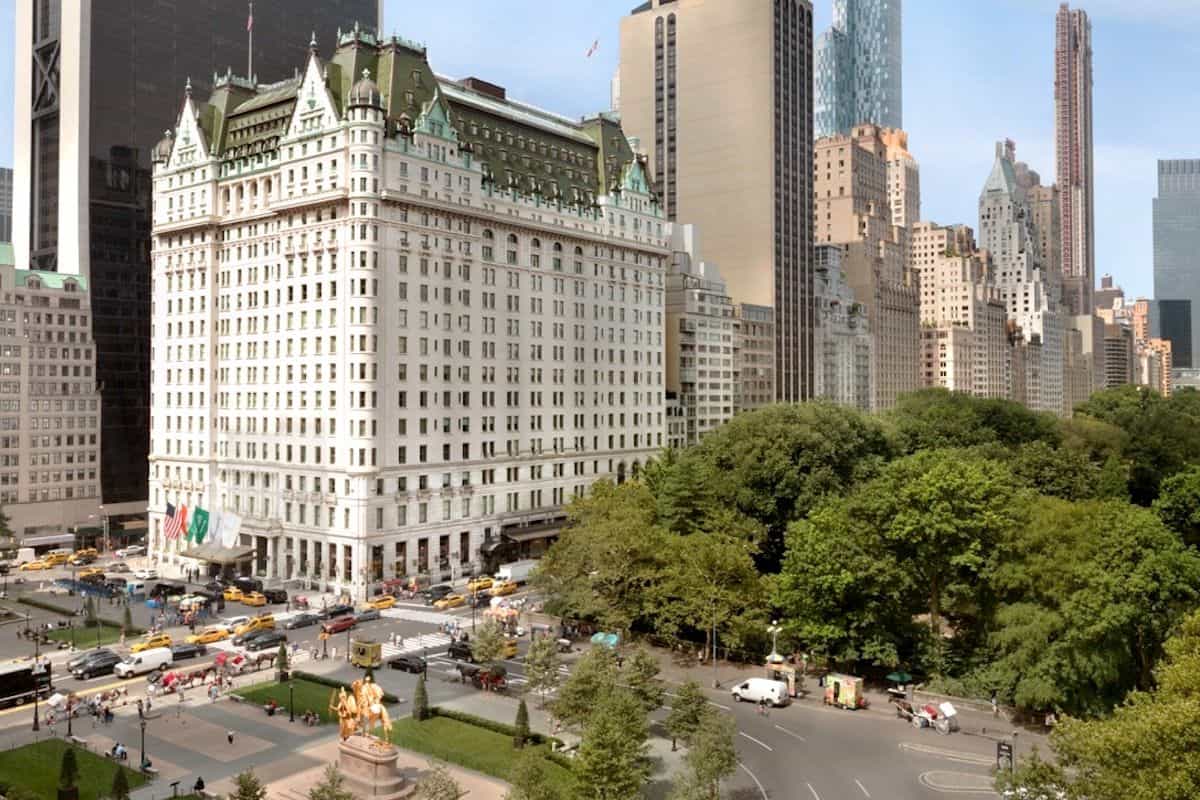
New York’s Plaza Hotel closure will begin in January 2027, removing one of Manhattan’s most celebrated luxury properties from the hospitality market for at least four years. Fairmont Hotels & Resorts announced the shutdown on 14 October 2026, citing extensive restoration work on the hotel’s historic exterior. The project could keep the landmark closed until 2031, although management has not confirmed an exact reopening date. Its 282 guest rooms, Palm Court restaurant and event spaces will suspend operations during the works. However, the building’s 181 condominium residences are expected to remain occupied, according to property brokers. The development creates immediate implications for luxury travellers, event planners and New York’s premium hospitality sector.
Four Years Away From New York’s Luxury Spotlight
The Plaza occupies a prominent position at Fifth Avenue and Central Park South, overlooking one of Manhattan’s most recognisable green spaces. Its planned closure marks a substantial interruption for a property that has welcomed travellers since 1907. Fairmont says the restoration’s complexity and operational disruption require the hotel to suspend its hospitality services.
The project centres on the building’s historic façade, although management has not published a detailed construction schedule, budget or complete technical scope. Consequently, travellers should treat 2031 as a potential reopening horizon rather than a confirmed date. The length of the shutdown also distinguishes this project from routine hotel maintenance.
For international visitors, the timing matters because the Plaza combines accommodation with dining, celebrations and high-profile social events. The Palm Court, known for afternoon tea, represents a destination in its own right. Its closure will affect visitors who planned to experience the hotel without booking an overnight stay. Meanwhile, the suspension of event facilities will require organisers to reconsider venues for future gatherings.
Advertisement
Advertisement
The immediate priority for visitors is straightforward. Anyone planning a New York trip around a Plaza stay, afternoon tea or private event should complete their arrangements before operations cease. Travellers visiting later will need alternatives, particularly if the hotel itself forms the central attraction of their itinerary.
What Travellers Need to Know Before Booking
The announcement creates a clear dividing line between the final operating season and the restoration period. The hotel is expected to welcome guests through its last operating period before the January shutdown, but travellers should confirm their exact dates directly with the property. Reservations, restaurant access and event arrangements may have different terms.
Advertisement
Advertisement
The following table summarises the confirmed information and the outstanding questions that could affect visitors.
| Key detail | Current position |
|---|---|
| Hotel | The Plaza, A Fairmont Hotel |
| Location | Fifth Avenue and Central Park South, Manhattan, New York |
| Original opening | 1 October 1907 |
| Planned closure | January 2027 |
| Expected duration | At least four years |
| Potential reopening | 2031, subject to the project timeline |
| Guest accommodation | 282 rooms, including 102 suites |
| Condominium residences | 181 units within the building |
| Facilities affected | Guest rooms, Palm Court and event spaces |
| Restoration focus | Historic exterior and façade |
| Project budget | Not publicly disclosed |
| Confirmed reopening date | Not announced |
Travellers should also distinguish between the hotel’s accommodation services and the building’s private residences. Brokers have indicated that condominium owners can remain in their homes through the restoration. However, residents will lose access to hotel amenities, while scaffolding could affect the building’s appearance for several years.
Advertisement
Advertisement
For those considering a visit before the shutdown, direct confirmation with Fairmont remains the safest approach. Visitors should verify room availability, restaurant reservations, cancellation conditions and any changes to scheduled events. They should not assume that every facility will operate normally until the final day.
A Landmark With More Than a Century of History
The Plaza’s significance extends well beyond its accommodation inventory. The present building opened on 1 October 1907, following construction designed by architect Henry Janeway Hardenbergh. Its French Renaissance-inspired architecture helped establish the hotel as a defining feature of New York’s luxury landscape.
The property later received New York City landmark designation in 1969. It was added to the National Register of Historic Places in 1978, reinforcing its architectural and cultural importance. These designations help explain why exterior restoration involves considerations beyond ordinary commercial refurbishment.
The hotel also underwent a major transformation between 2005 and 2008. It closed for extensive renovation, reopening after a reported US$450 million restoration that included converting part of the property into private condominiums. The present project differs because its announced focus is the historic exterior rather than another broad hotel conversion.
Advertisement
Advertisement
| Milestone | Significance |
|---|---|
| 1907 | The present Plaza Hotel opens to guests |
| 1969 | Receives New York City landmark designation |
| 1978 | Enters the National Register of Historic Places |
| 2005–2008 | Closes for major restoration and condominium conversion |
| January 2027 | Planned start of the latest extended shutdown |
| Potentially 2031 | Expected completion horizon, subject to confirmation |
The distinction matters for travellers and tourism businesses alike. The Plaza is not simply another hotel temporarily withdrawing rooms from the market. It is a historic attraction whose architectural identity contributes to New York’s international image. Preserving that identity could support its long-term appeal, although the final outcome will depend on the work delivered.
How the Shutdown Could Reshape Luxury Tourism
The removal of 282 rooms will reduce the accommodation choices available to visitors seeking this particular hotel experience. However, the broader effect on New York’s overall hotel capacity cannot be quantified from the Plaza’s room count alone. The city has a much larger accommodation market, and the impact will depend on demand, seasonality and the availability of competing properties.
The more immediate consequence concerns luxury travellers seeking a specific experience. Some visitors choose the Plaza for its heritage, location, interiors or reputation rather than price alone. For these guests, another five-star hotel may offer comparable comfort without reproducing the same historic setting.
Event planners face a different challenge. Weddings, private celebrations, corporate functions and other gatherings will need alternative venues for dates falling within the shutdown. Organisers should review existing contracts and confirm whether relocation, cancellation or alternative arrangements are available. They should also consider guest accommodation and transport when moving an event elsewhere.
The loss of the Palm Court will affect a wider audience than overnight guests. Its afternoon tea experience attracts visitors who may never book a room. Consequently, the closure will temporarily remove a well-known hospitality experience from the city’s visitor itinerary.
Nevertheless, the shutdown does not mean that Central Park South or Fifth Avenue will become inaccessible. The hotel sits within a major sightseeing district, and visitors can still explore nearby attractions and choose other accommodation. The principal change is the loss of access to the Plaza’s own services and interiors.
Advertisement
Advertisement
Property Market Pressures Add Another Dimension
The restoration could influence the market for the building’s private residences as well as its hotel operations. According to brokers quoted in the original reporting, approximately 29 condominium units were already listed for sale. That figure reflects the reported market position in October 2026, rather than a continuously updated inventory.
Douglas Elliman broker Michael Passaro suggested that buyers could gain negotiating power as the shutdown approaches. He said, “Negotiability, I think it’s just gone up for anybody that’s looking possibly to purchase in the building.” His comments point to a potential short-term disadvantage for sellers who need to complete transactions during the restoration.
However, these observations represent broker assessments rather than evidence of a confirmed decline in every property’s value. Individual prices will depend on unit condition, asking price, ownership costs and buyers’ expectations. The announced closure may influence negotiations, but it does not establish a guaranteed discount.
Corcoran broker Kane Manera offered a more optimistic long-term assessment. He described the shutdown as “a blip in the ocean” and predicted a stronger sales market after the restoration. Both brokers argued that the inconvenience could ultimately benefit the property if the work preserves its architectural appeal.
A separate issue concerns the condition of individual apartments. Some residences date from the mid-2000s conversion and may require modernisation. The façade project does not automatically resolve those interior maintenance requirements. Therefore, prospective buyers should assess renovation liabilities separately from the building-wide restoration.
Workers and Hospitality Businesses Face Disruption
The effects will extend beyond guests and property owners. The Plaza’s 378 union workers will face a lengthy interruption to their usual workplace, although their employment arrangements offer some protection. The Hotel & Gaming Trades Council has said workers will retain the right to return at the same pay when the hotel reopens. The union also intends to help place employees elsewhere during the shutdown.
Advertisement
Advertisement
This arrangement matters because a multi-year closure can disrupt established working relationships and specialist hospitality roles. Temporary placements may help retain experienced staff within the industry. Nevertheless, the available information does not establish how many workers will receive alternative positions or how those placements will operate.
The wider hospitality supply chain could also experience changes. Event suppliers, restaurant partners and other businesses serving hotel guests may need to adjust their plans. However, the scale of any financial impact remains uncertain because management has not disclosed a project budget or detailed operational arrangements.
For the industry, the case highlights a recurring challenge: heritage preservation requires investment, but restoration can temporarily remove revenue-generating capacity. Hotel operators must balance the demands of maintaining historic structures with the commercial consequences of prolonged disruption. In this instance, the decision to suspend hotel operations reflects the reported complexity of the work.
How the Plaza Compares With Earlier Renovations
The Plaza’s previous closure offers a useful historical comparison, although the two projects have different stated objectives. Its 2005–2008 redevelopment involved a reported US$450 million investment and a substantial change in the property’s residential and hospitality configuration. The latest announcement centres on restoration of the historic exterior.
| Comparison | 2005–2008 redevelopment | Planned 2027 restoration |
|---|---|---|
| Main purpose | Major renovation and condominium conversion | Historic façade restoration |
| Reported investment | US$450 million | Not disclosed |
| Operational interruption | Approximately three years | At least four years |
| Residential impact | Part of the redevelopment involved condominium conversion | Existing residents are expected to remain |
| Reopening | Hotel reopened in 2008 | Potentially 2031; date unconfirmed |
| Principal traveller concern | Changes associated with redevelopment | Temporary loss of hotel rooms and amenities |
The comparison shows that long interruptions are not unprecedented in the Plaza’s history. However, the latest project could keep the property closed for longer than the previous redevelopment period. Its final duration will depend on the work’s scope, preservation requirements and construction progress.
The broader lesson applies to historic hotels worldwide. Restoration timelines can exceed those of conventional refurbishment when architectural features require specialised attention. Travellers should therefore rely on confirmed operating dates rather than assuming that an estimated reopening year guarantees availability.
Advertisement
Advertisement
Practical Alternatives for Future Visitors
Visitors planning trips after January 2027 should reconsider accommodation and dining arrangements well before departure. The Plaza’s closure will not prevent access to Central Park, Fifth Avenue shopping or surrounding cultural attractions. Instead, travellers will need to separate their destination plans from the unavailable hotel experience.
For accommodation, compare luxury properties around Central Park South and Midtown Manhattan. Evaluate walking distances, room categories, restaurant access and cancellation conditions before choosing an alternative. Event organisers should also check venue capacity, accessibility and guest transport requirements before transferring bookings.
The following table provides a practical planning framework.
| Traveller type | Recommended action | Main consideration |
|---|---|---|
| Luxury hotel guests | Reserve an alternative property | Location, service and room availability |
| Afternoon tea visitors | Check alternative hotel dining venues | Reservation policies and dining experience |
| Wedding and event planners | Secure a replacement venue early | Capacity, contracts and event dates |
| Business travellers | Review hotel proximity to meetings | Travel time and cancellation flexibility |
| Plaza condominium buyers | Seek independent property advice | Maintenance costs and construction disruption |
| Returning visitors | Monitor official restoration updates | Confirmed reopening and service availability |
Travellers should monitor updates from Fairmont’s official Plaza Hotel website. The operator’s website provides the appropriate starting point for checking hotel information, services and future booking arrangements. Until management publishes a confirmed reopening schedule, visitors should avoid making non-refundable plans based on an assumed 2031 return.
Restoration Could Strengthen Its Legacy
The Plaza Hotel closure represents a significant pause for New York’s luxury hospitality sector, but it also highlights the challenge of maintaining a historic property for future generations. The four-year estimate gives the project an unusually long horizon, while the absence of a published budget or definitive completion date leaves important questions unanswered. Travellers, event planners and property buyers must therefore prepare for disruption rather than assume a quick return to normal operations.
The final holiday season before the shutdown offers a remaining opportunity to experience the hotel’s celebrated hospitality. For the wider tourism industry, the eventual reopening will test whether extensive preservation can renew the appeal of one of New York’s most recognisable hotel addresses.
Advertisement
