
Saint Lucia Joins Bahamas, Colombia, Brazil, Guyana, Aruba, Curaçao, And More Places In Emergency As Twin Venezuela Earthquakes Hit Hotel Bookings, Airports, Ports And Tourism Across South America And Caribbean Region

Published
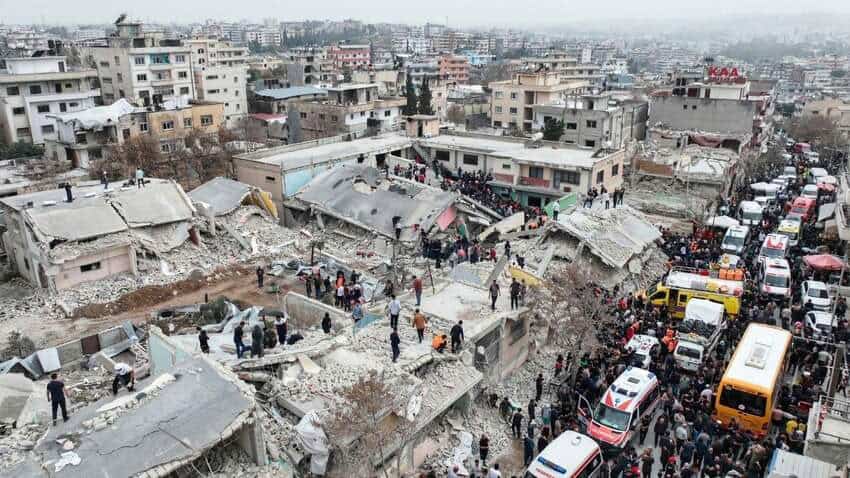
Saint Lucia Joins Bahamas, Colombia, Brazil, Guyana, Aruba, Curaçao and wider Caribbean nations in emergency alert as twin Venezuela earthquakes trigger a cascading regional tourism shock because powerful seismic activity near northern Venezuela disrupted aviation routes, cruise navigation, hotel operations, and cross-border travel confidence across South America and the Caribbean. The twin quakes, striking within seconds of each other, created immediate infrastructure stress in Venezuela and rapidly spilled into neighbouring tourism economies, forcing precautionary alerts, booking slowdowns, and operational reviews across multiple destinations dependent on seamless regional travel connectivity.
A powerful twin earthquake sequence has struck Venezuela, triggering widespread disruption across the Caribbean and northern South America tourism network. The seismic event, described as two major quakes occurring within seconds of each other, has created a cascading effect on aviation, cruise operations, hotel bookings, and cross-border travel confidence.
While Venezuela remains the epicentre of destruction, the impact has not stayed contained within its borders. Instead, neighbouring and nearby tourism-dependent nations such as Saint Lucia, Bahamas, Colombia, Brazil, Guyana, Aruba, and Curaçao are now experiencing operational disruptions, precautionary alerts, and booking slowdowns.
Airports have adjusted schedules, cruise routes have been modified, and coastal tourism operators have activated emergency protocols. The shockwave is not only geological but economic, reshaping short-term travel demand across an entire region heavily dependent on international visitors.
Advertisement
Advertisement
Venezuela – Ground Zero of the Tourism and Infrastructure Crisis
Venezuela is the direct impact zone and the most severely affected country. The twin earthquakes have caused structural collapses in key urban and coastal areas including Caracas and La Guaira.
Hotels in major cities were evacuated as safety inspections began. Several transport corridors suffered damage, including road networks and port infrastructure. The coastal tourism belt, which supports small but vital leisure travel, has been heavily disrupted.
Advertisement
Advertisement
Air travel through Caracas has faced operational interruptions due to safety assessments. Cruise-linked tourism activity near La Guaira has also been suspended.
The country’s tourism sector, already limited compared to regional competitors, has effectively entered emergency mode. Domestic travel has been restricted in multiple zones, and international arrivals have sharply declined due to safety concerns and advisory warnings.
Saint Lucia – Tourism Sensitivity and Cruise Route Monitoring
Saint Lucia, a key Caribbean cruise and leisure destination, has not experienced physical damage but is affected through regional maritime and aviation precautionary measures.
Cruise operators sailing Caribbean loops that include northern South America have reviewed itineraries. Some routes have been adjusted to avoid Venezuelan coastal waters entirely.
Hotels in Saint Lucia have reported a temporary slowdown in forward bookings from long-haul travellers, particularly from Europe and North America, due to heightened regional risk perception.
The island’s tourism authority has activated monitoring systems for cruise arrivals, ensuring no disruption to port safety standards. While operations continue normally, the psychological impact on bookings reflects how interconnected Caribbean tourism has become with mainland South America stability.
Advertisement
Advertisement
Bahamas – Cruise Industry Recalibration and Booking Hesitation
The Bahamas, heavily dependent on cruise tourism and air-based leisure travel, is indirectly affected through itinerary adjustments across the wider Caribbean basin.
Major cruise lines operating multi-country Caribbean routes have reviewed scheduling patterns due to the Venezuela seismic emergency. This has created minor changes in port sequencing and overnight stays.
Hotels in Nassau and Freeport have reported cautious booking patterns from international markets, particularly among travellers combining Caribbean multi-destination holidays.
No structural or environmental impact has been recorded in the Bahamas. However, the tourism industry is experiencing a soft demand shift, driven by perceived regional instability rather than direct risk.
Colombia – Border Tourism Disruption and Circuit Replanning
Colombia is one of the most directly connected South American nations affected by the earthquake’s ripple effect.
Border regions in western and northern Colombia have experienced precautionary monitoring, though no structural damage has been reported. However, tourism operators have paused itineraries involving Venezuela-linked travel circuits.
Advertisement
Advertisement
Cartagena and Santa Marta, major cruise and leisure destinations, have seen adjustments in cruise planning due to changes in northern South America maritime routing.
Eco-tourism circuits that normally extend toward cross-border Amazon and Andean routes have also been temporarily re-evaluated.
The main impact is logistical and psychological, as tour operators adjust to uncertainty in regional mobility and infrastructure continuity.
Brazil – Amazon Corridor Sensitivity and Tourism Caution
Brazil’s northern regions, particularly Amazonas and Roraima corridors, are indirectly affected due to geographic proximity to Venezuela.
Some tremor perception reports were recorded in remote border zones, though no damage has been confirmed. The impact is primarily precautionary.
Tour operators running Amazon eco-tourism packages have adjusted itineraries that involve cross-border mobility near Venezuela. River cruise and jungle expedition companies are reviewing safety communication protocols.
Advertisement
Advertisement
Brazil’s major tourism hubs such as Rio de Janeiro and São Paulo remain unaffected operationally. However, the northern tourism network is experiencing heightened risk sensitivity, particularly in adventure tourism segments.
Guyana – Monitoring Alert Status and Border Awareness
Guyana is positioned within the broader regional alert zone but has not experienced any physical impact.
Authorities have activated seismic monitoring systems as a precaution due to proximity to Venezuela. Tourism activity remains stable, particularly in eco-tourism and mining-related travel corridors.
However, cross-border movement planning has become more cautious. Operators offering regional Amazon basin tours are closely tracking developments.
Hotel occupancy in Georgetown remains stable, but future bookings involving multi-country South American travel packages have shown minor hesitation.
Guyana’s impact is therefore preventive rather than operational, focused on readiness and communication clarity.
Advertisement
Advertisement
Aruba – Maritime Tourism Precaution and Cruise Adjustments
Aruba is one of the Dutch Caribbean territories affected through maritime safety protocols.
A brief tsunami advisory was issued during early seismic alerts and later withdrawn. No damage has been recorded.
However, cruise operators have implemented precautionary route adjustments in northern Caribbean waters. Some vessels operating Venezuela-adjacent itineraries have modified course planning.
Aruba’s hotel sector remains operational, but coastal excursion providers are maintaining enhanced monitoring systems.
The key impact is on maritime tourism perception, not infrastructure.
Curaçao – Cruise Itinerary Shifts and Coastal Monitoring
Curaçao, another key tourism hub in the Dutch Caribbean, is similarly affected through precautionary maritime adjustments.
Advertisement
Advertisement
Cruise schedules have been reviewed, particularly those passing through southern Caribbean waters near Venezuela.
Port operations remain functional, but authorities have strengthened monitoring for incoming vessels.
Hotel activity has not been physically disrupted, but travel operators report slight hesitation in forward bookings for multi-country Caribbean cruise holidays.
Curaçao’s tourism economy remains stable, but exposed to regional perception-based volatility.
Regional Tourism System Impact – The Hidden Shockwave
Beyond individual countries, the most significant impact is occurring at the regional tourism system level.
Aviation Network Impact
- Flight scheduling reviews across Caribbean–South America routes
- Temporary caution in connecting flights via Venezuela-linked hubs
- Insurance risk reassessment for regional air travel
Cruise Industry Impact
- Route adjustments across northern South America
- Avoidance of Venezuelan coastal waters
- Port call reshuffling across Caribbean circuits
Hotel Market Impact
- Short-term booking hesitation in multi-destination packages
- Increased cancellations in Venezuela-linked travel itineraries
- Stable but cautious demand in neighbouring Caribbean islands
South America Tourism Confidence Under Pressure
The earthquake has created a confidence shock rather than a physical tourism collapse across most countries.
Advertisement
Advertisement
South America’s northern tourism corridor, which includes Venezuela, Colombia, Guyana, and parts of Brazil, is experiencing temporary perception-driven slowdown.
Travellers are increasingly:
- Avoiding complex multi-country itineraries
- Choosing safer, isolated Caribbean destinations
- Delaying bookings for South America tours
This reflects how quickly global tourism responds to risk narratives, even when physical damage is localised.
The twin Venezuela earthquakes have created a ripple effect far beyond national borders. While Venezuela remains the centre of destruction, surrounding countries including Saint Lucia, Bahamas, Colombia, Brazil, Guyana, Aruba, and Curaçao are experiencing indirect but meaningful tourism disruptions.
The impact is not uniform. It is layered:
- Direct disaster in Venezuela
- Operational caution in neighbouring South America
- Maritime and cruise recalibration in the Caribbean
- Psychological booking hesitation across long-haul markets
The regional tourism system remains functional but temporarily stressed. Recovery will depend not only on infrastructure rebuilding in Venezuela but also on how quickly confidence returns across interconnected travel networks spanning both South America and the Caribbean.
Advertisement
Advertisement
Saint Lucia has joined Bahamas, Colombia, Brazil, Guyana, Aruba, Curaçao and several Caribbean nations in an emergency tourism alert because the twin Venezuela earthquakes have disrupted regional aviation, cruise routes, hotel operations and cross-border travel systems, triggering immediate booking cancellations and widespread precautionary measures across South America and the Caribbean tourism network.
The event highlights a critical truth in modern tourism: destinations no longer operate in isolation — they move together as one fragile regional ecosystem.
Advertisement
