 Subhadip Dey Subhadip Dey
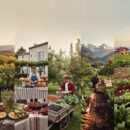
Image generated with Ai
Groth Vineyards & Winery in Napa Valley is quietly reshaping what travel looks and feels like in wine country by inviting guests into its world with fresh ideas rooted in family heritage and warm hospitality that feels unlike any traditional winery visit in the United States. Long known for crafting Cabernet Sauvignon of high acclaim, Groth now invites wine lovers and travel seekers to connect in ways that echo personal tradition, not industry marketing trends. Nestled in Oakville, this estate balances its deeply respected winemaking legacy with creative guest experiences that feel human first, structured second. What emerges is a travel narrative that blends cultivated food, wine, place, and family ethos into something memorable for all ages.
In a region where most winery visits follow a familiar script, Groth’s evolving hospitality approach feels refreshingly different, drawing curious visitors into the heart of family legacy with sincere welcome. Visitors arrive to vineyard views framed by rolling hills under California sun, but discover experiences designed to be shared, talked about, and cherished long after departure. This is a subtle yet powerful shift in how wine tourism unfolds in the United States, where the focus extends beyond tasting notes and cellar doors to memorable moments grounded in genuine human connection.
Groth Vineyards & Winery’s travel philosophy now embraces families with intention, weaving its hospitality offerings with shared experiences that appeal to adults and children alike without compromising the essence of the estate’s wine culture. The recently introduced Family Table at Groth invites guests of all ages to linger over thoughtfully chosen food, paired wines, and a relaxed atmosphere that mirrors family gatherings rather than formal tasting sessions. Children enjoy curated seasonal treats and playful activities that respect their presence without minimizing the sophistication of the setting. For adults, meanwhile, these experiences delicately balance curated wine tasting with space to absorb the vineyard’s beauty.
This focus on multi‑generation engagement shifts the expectations of winery visits, especially in a region where adult‑only tastings have long dominated. It reframes travel to Napa Valley as not just a destination for wine connoisseurs but as a sensory journey that families can enjoy together in harmony.
Advertisement
Advertisement
Beyond the estate grounds, Groth’s Camp Groth | Yosemite event takes this family welcome on the road with immersive weekend programming that blends outdoor adventure with community spirit and wine appreciation. Hosted amid towering pines and mountain air, this event serves as a testament to the Groth family’s personal roots in nature and exploration. Attendees hike, gather around campfires, share meals, and taste wines beneath the stars, forging connections that reach well beyond the usual winery visit itinerary.
This kind of programming aligns with travel trends that emphasize meaningful experiences, where guests seek stories, connection to place, and opportunities to engage with others on shared interests. By extending the winery experience into places like Yosemite, Groth crafts a travel narrative that expands the definition of wine tourism beyond vineyard boundaries.
The Napa Valley wine experience has long been framed around scenic beauty, elevated tastings, and curated tours. Groth’s evolving model adds an extra dimension by placing values like inclusion, tradition, and experiential richness at the center. Visitors are encouraged to explore vineyards by foot, taste wines with stories attached, and savour meals that taste of place as much as skill. They are also invited into events that celebrate community rather than exclusivity. This approach reflects broader travel preferences where guests seek authenticity, meaning, and connection more than simple luxury.
Nestled in the Oakville AVA, Groth’s vineyards produce Cabernet Sauvignon, Sauvignon Blanc, and Chardonnay that reflect the region’s signature climate and soil. While the wines remain a core element of the estate’s identity, the way they are shared increasingly mirrors the estate’s social philosophy — accessible, welcoming, genuine, and engaging.
The family influence at Groth is not superficial marketing. Founded in 1982 by Dennis and Judy Groth, the estate remains rooted in family leadership, now guided by their daughter Suzanne Groth as President & CEO. Her vision blends respect for the estate’s legacy with a desire to evolve and enrich the guest experience in ways that feel intuitive and grounded in lived values.
This leadership approach makes a clear statement about how tradition and modern travel psychology can coexist. Rather than preserving the past as a museum piece, Groth mines it for lessons that inform how guests engage with place today. The result feels personal. Travelers encounter more than wine; they encounter the story of people who live among the vineyards, celebrate community, and honour place through their work.
Groth’s calendar now blends outdoor events, seasonal celebrations, vineyard walks, and curated tasting experiences that mirror the rhythms of life in Napa Valley. Seasonal architectural pieces, paired‑food narratives, and landscape views give travelers reasons to return with each visit. Alongside this, the estate’s focus on storytelling through hospitality creates a layered travel experience that satisfies both first‑timers and repeat visitors.
The Reserve by the Sea | A Coastal Return event scheduled for early October adds another layer to the travel appeal, integrating oceanfront dinners and curated tastings that celebrate the 2023 Reserve Cabernet Sauvignon in a coastal setting uniquely tied to Northern California heritage.
Groth’s growing slate of experiences reflects a deeper truth about travel today: place matters, but emotional resonance matters more. Travelers today want to feel something real. They want memories that surface without reminders. They seek travel that feels like a story unfolding around them.
Napa Valley’s profile as a premier wine destination remains strong, but Groth’s family‑led and inclusive hospitality offers a blueprint for how travel experiences can broaden without losing their cultural backbone. Rather than framing wine tourism as elite or exclusive, the estate’s evolving direction positions it as emotionally accessible and human‑driven. This signals to the broader industry that wine travel can be welcoming without compromising quality or heritage.
For visitors planning a travel itinerary in the United States, especially within California, Napa Valley now holds layers of experiences that match evolving traveler values. Groth’s strategy doesn’t just show taste profiles and vineyard vistas. It demonstrates how a destination can feel like a personal invitation rather than a highlight reel.
The travel narrative at Groth Vineyards & Winery shows us that wine experiences can be more than tasting rooms and labels. They can be spaces where tradition meets creativity, where families connect under grapevines, and where memories are made across generations. In a world crowded with glossy travel stories, Groth offers something grounded, sincere, and worth exploring when you next plan your United States wine country journey.
Advertisement
Tags: California wine travel, Camp Groth Yosemite event, family friendly winery visit, family‑led wine tourism, Groth Vineyards & Winery
Advertisement
Advertisement












Friday, September 4, 2026

Friday, September 4, 2026

Friday, September 4, 2026

Friday, September 4, 2026

Thursday, September 3, 2026

Wednesday, September 2, 2026

Friday, September 4, 2026

Friday, September 4, 2026


