
Banff National Park Travel Guide Reveals Year Round Adventures Wildlife Trails And Alpine Escapes

Published
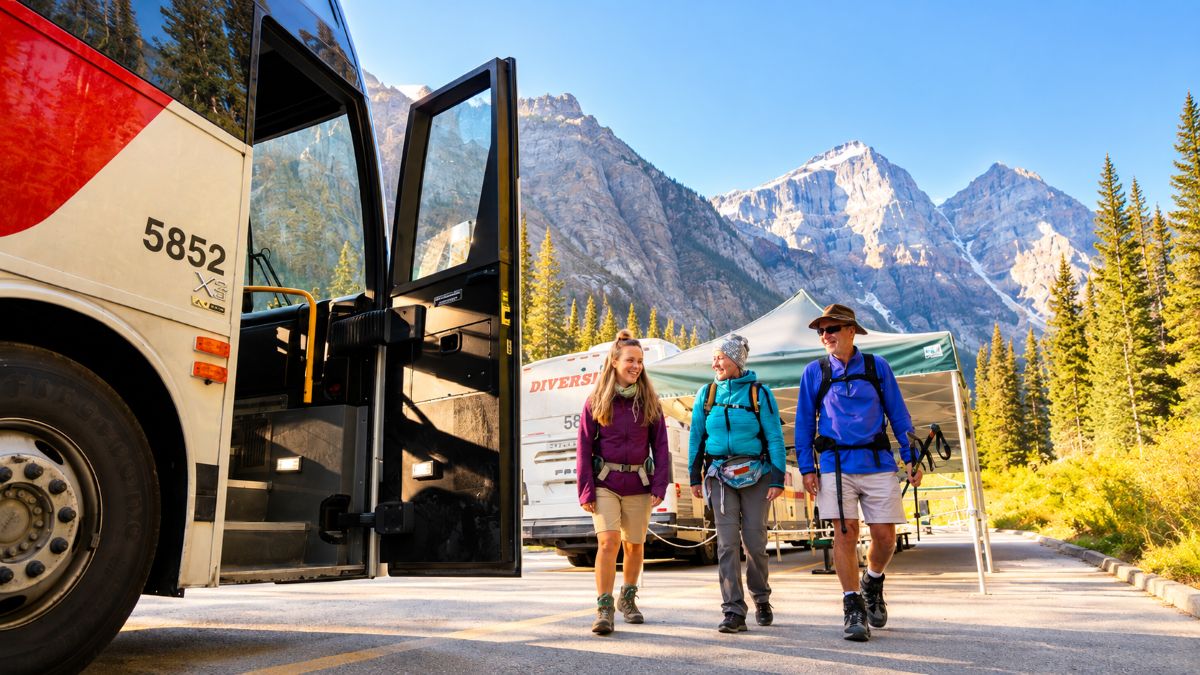
Banff National Park continues to stand out as one of Canada’s most distinctive destinations for travellers seeking dramatic mountain scenery, outdoor recreation and access to expansive wilderness. Located in Alberta’s Rocky Mountains, the park combines accessible attractions with extensive backcountry terrain, giving visitors opportunities ranging from relaxed sightseeing and paddling to demanding hikes and winter sports. Its landscape includes famous alpine lakes, forested valleys, high mountain passes and a large network of trails. The destination is also notable for balancing substantial visitor numbers with environmental protection, making responsible travel an important part of the experience.
For first-time visitors, planning around the season, length of stay, transport and accommodation can significantly shape the trip. Summer brings extensive access to trails and facilities, while winter transforms the area into a major skiing and snow-based recreation destination. Travellers can explore beyond Banff town, with nearby Canmore offering another accommodation base and public transport providing alternatives to driving. Wildlife viewing, mountain biking, canoeing and backcountry stays add further dimensions to a destination that can support anything from a three-day introduction to a much longer wilderness holiday.
Best Time To Visit Banff National Park
Banff operates as a year-round destination, with three ski resorts and numerous winter activities keeping the region active during colder months. Summer generally provides the broadest access to facilities and outdoor attractions, although higher trails and campgrounds can retain snow into late June or early July depending on conditions.
The summer season also brings wildflowers to subalpine areas, while autumn offers hiking opportunities and striking larch colours. Winter skiing generally begins around November and can continue into late spring, depending on the resort and conditions. Travellers should therefore select dates according to the activities they intend to pursue rather than treating Banff as a purely summer destination.
Advertisement
Advertisement
| Travel Period | Main Experiences | Planning Considerations |
|---|---|---|
| Summer | Hiking, paddling, wildflowers, sightseeing | Higher demand and prices |
| Early Autumn | Hiking, changing foliage, quieter conditions | Some seasonal services begin changing |
| Winter | Skiing and snow activities | Cold conditions and winter travel planning |
| Spring | Transitional outdoor experiences | Snow can remain at higher elevations |
How Long Should Travellers Stay
A short visit can introduce travellers to Banff town and its most accessible attractions, but a minimum of three days allows visitors to experience more of the park. A week provides substantially more time for hiking, sightseeing and exploring different areas.
Longer stays are particularly suitable for campers and travellers planning extended hikes or backcountry experiences. The park’s scale means that visitors who concentrate only on the central town area can miss much of its wilderness character.
Advertisement
Advertisement
Getting To And Around Banff
Calgary International Airport is the nearest major airport, approximately 145km from Banff. The Trans-Canada Highway provides a direct road connection through the park, while the Icefields Parkway offers another major scenic driving route.
Travellers without a car can use bus services connecting Calgary Airport with Banff, Canmore and Lake Louise. Within the destination, local public transport connects several major visitor areas, while seasonal services provide access to selected attractions. Having a vehicle offers greater flexibility for independent exploration, but public transport can support a car-free holiday.
Advertisement
Advertisement
Hiking And Outdoor Experiences Shape The Banff Experience
Hiking remains one of the defining ways to experience Banff National Park. Routes range from accessible walks to challenging mountain excursions, with maintained and signposted trails available across different difficulty levels.
Healy Meadows offers alpine scenery and wildflower displays, while the Lake Agnes route combines a mountain hike with the historic teahouse beside the lake. Vermilion Lakes provides opportunities for paddling and wildlife observation close to Banff town. For cyclists, the Goat Creek Trail creates a 19km off-road connection between the Banff and Canmore areas.
Sulphur Mountain provides another well-known outdoor challenge. The 5.4km trail climbs towards the gondola station, allowing active travellers to combine hiking with panoramic mountain views before returning by gondola and visiting the Upper Hot Springs.
Banff Travel Costs And Accommodation Options
Banff is relatively expensive compared with many other parts of Canada, particularly during the busiest summer period. Limited accommodation and strong demand contribute to higher prices.
Advertisement
Advertisement
Canmore, located about 25km outside Banff, can provide travellers with more accommodation choices, including budget-oriented options. Camping can also reduce accommodation expenses, although campsites can be highly sought after during peak periods.
| Expense | Source-Reported Indicative Cost |
|---|---|
| Summer hotel double room | C$400 |
| Campground | C$20–78 |
| Backcountry camping | C$13.50 per night |
| National park pass | C$11 |
| Bike rental | C$50 per day |
| Ski pass | C$124–165 |
| Dinner main course | C$30–45 |
Wildlife Viewing Requires Careful Planning
Banff provides opportunities to encounter a wide range of wildlife. Vermilion Lakes can attract waterfowl and mammals, while areas around Lake Louise and the Bow Valley Parkway can provide opportunities to see species including bears, elk, deer, bighorn sheep and coyotes.
Wildlife conditions also influence hiking arrangements. Certain routes around Lake Louise have seasonal restrictions requiring hiking groups of four because of bear activity. Travellers should check current park conditions and follow local wildlife-safety requirements before setting out.
Canoeing And Backcountry Stays Add Variety
Travellers can rent canoes and kayaks at several locations, with costs varying significantly by destination and rental provider. Vermilion Lakes can be reached by paddling from the Bow River area, while Lake Minnewanka provides another option for water-based exploration.
For visitors wanting a deeper wilderness experience, Banff also has backcountry lodges accessible by foot, bicycle, skis or horse. Reservations are required, and these properties combine rustic accommodation with access to remote landscapes.
Frequently Asked Questions About Banff National Park
1. Where is Banff National Park located?
Banff National Park is in Alberta, Canada, within the Rocky Mountains.
Advertisement
Advertisement
2. Is Banff suitable for a first visit?
Yes. The park combines accessible attractions with extensive hiking, wildlife and wilderness experiences.
3. How many days are recommended for Banff?
At least three days provides a broader introduction, while a week allows deeper exploration.
4. Can Banff be visited without a car?
Yes. Bus and local public transport services connect several important areas.
5. What is the best season for hiking?
Summer generally offers the widest access, although snow can remain at higher elevations into early summer.
6. Is Banff a winter destination?
Yes. Three ski resorts and other winter activities make it a year-round destination.
7. Is Banff expensive?
Accommodation and dining can be costly, particularly during peak summer periods.
Advertisement
Advertisement
8. Where can budget travellers stay?
Canmore offers additional accommodation choices outside the park and can provide lower-cost options.
9. Can visitors see wildlife in Banff?
Yes. Wildlife can be encountered in several areas, although travellers must follow safety guidance and seasonal restrictions.
10. Can travellers canoe or kayak in Banff?
Yes. Canoe and kayak rentals are available at several locations, including areas around Lake Minnewanka and Vermilion Lakes.
Advertisement
