
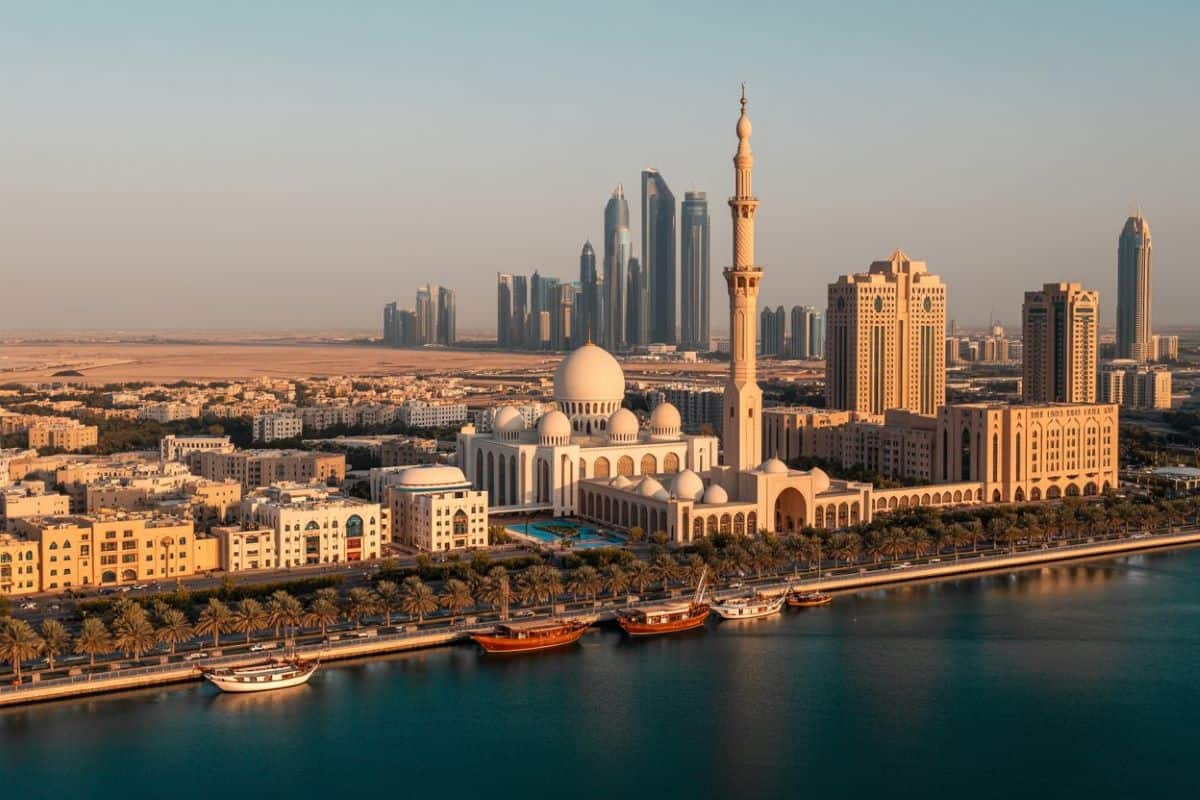
Image generated with Ai
UAE Stands With Qatar, Bahrain and Other Global Destinations as Middle East Flight Corridors and Luxury Tourism Demand Show Volatility as Airlines Adjust Global Route Networks Impacting Global Travel Connectivity, Transit Hubs and Premium Tourism Flows Across Major Aviation Gateways, highlighting shifts in aviation-linked tourism systems across key Gulf economies. The situation reflects changes in global travel connectivity as airlines recalibrate routes across major transit hubs including Dubai, Doha and Bahrain. Premium tourism flows are being influenced by route restructuring and demand fluctuations in international travel markets. Overall, global tourism impact is defined by uneven demand patterns, network adjustments and evolving airline capacity strategies across interconnected aviation gateways.
The Middle East aviation corridor, particularly across the UAE, Qatar, and Bahrain, operates as a central bridge between Europe, Asia, and Africa. According to international aviation governance structures defined by the International Civil Aviation Organization (ICAO), these air routes are classified as high-density intercontinental traffic zones requiring strict coordination and airspace management. Civil aviation authorities in the UAE (GCAA), Qatar (CAA), and Bahrain (CAA) continuously update operational safety frameworks to manage airspace efficiency, rerouting protocols, and contingency planning. Airlines adjust routing strategies dynamically when geopolitical risk indicators rise, ensuring continuity of long-haul connectivity through alternative corridors.
Advertisement
| Region | Aviation Role | Key Function |
|---|---|---|
| UAE | Global hub connectivity | Transit & long-haul linking |
| Qatar | Central transfer hub | Europe–Asia interchange |
| Bahrain | Regional connector | Gulf traffic support |
The United Arab Emirates operates one of the world’s most advanced aviation ecosystems, led by Dubai International Airport and Abu Dhabi International Airport under the supervision of the General Civil Aviation Authority (GCAA). These hubs function as critical transfer points for international tourism and premium travel demand. UAE tourism infrastructure is closely linked with luxury hospitality and high-volume transit passengers. When global air corridor stability fluctuates, airline scheduling systems adjust flight frequency, routing patterns, and capacity distribution. This creates sensitivity in luxury tourism demand, especially for premium stopover travel and long-haul connecting passengers.
| Component | Function | Impact Area |
|---|---|---|
| Dubai Hub | Global transit | International connectivity |
| Abu Dhabi Hub | Regional gateway | Long-haul traffic |
| Tourism Sector | Luxury demand | Premium travel flows |
Qatar’s aviation infrastructure, primarily centered at Hamad International Airport in Doha, operates under the Qatar Civil Aviation Authority framework. The airport functions as a strategic intercontinental transfer hub connecting Europe, Asia, and Africa. Its airline network structure is designed around high-frequency long-haul connectivity and optimized transit scheduling. In periods of regional uncertainty, airline operations may adjust flight paths, connection timing, and capacity allocation to maintain safety and operational efficiency. Luxury tourism demand in Qatar is closely tied to premium transit services, business travel, and global event-driven passenger flows.
Advertisement
Advertisement
| Component | Role | Dependency |
|---|---|---|
| Hamad Airport | Transit hub | Global connectivity |
| Qatar Airways | Network carrier | Long-haul routes |
| Tourism sector | Luxury & business | Transit demand |
Bahrain’s aviation sector, regulated by the Civil Aviation Affairs under its national transport authority, plays a supporting but strategically important role in Gulf air connectivity. Bahrain International Airport functions as a regional node linking smaller passenger flows into larger Gulf transit systems. The country’s aviation and tourism ecosystem is closely integrated with nearby hubs such as Doha, Dubai, and Abu Dhabi. When regional airspace conditions shift, Bahrain’s connectivity model experiences indirect adjustments through flight rerouting, schedule coordination, and feeder traffic realignment. Tourism demand is largely influenced by business travel and short-stay regional mobility patterns.
| Component | Function | Influence |
|---|---|---|
| Bahrain Airport | Regional connector | Feeder traffic |
| Gulf Network | Shared system | Transit dependency |
| Tourism Base | Business travel | Short-stay demand |
Travel and tourism across the UAE, Qatar, and Bahrain are directly influenced by aviation network stability, as these destinations rely heavily on international connectivity and transit tourism. According to ICAO aviation safety principles and national civil aviation frameworks, airlines prioritize operational continuity through adaptive routing and risk-managed scheduling. Luxury tourism, especially premium transit travel, is highly responsive to changes in flight frequency, routing time, and ticket pricing. Even minor disruptions in air corridor efficiency can lead to booking delays, revised itineraries, and shifting travel demand toward alternative global hubs such as Istanbul or Southeast Asia.
| Factor | UAE | Qatar | Bahrain |
|---|---|---|---|
| Transit Tourism | Very High | Very High | Moderate |
| Luxury Demand | High | High | Moderate |
| Sensitivity to Disruption | High | High | Medium |
UAE stands with Qatar, Bahrain and other global destinations as Middle East flight corridors and luxury tourism demand show volatility, highlighting a clear shift in how airlines adjust global route networks. This evolving scenario is reshaping global travel connectivity, with major transit hubs adapting to changing passenger flows and operational strategies. Premium tourism flows across key aviation gateways are experiencing redistribution as carriers respond to demand fluctuations and network realignments. Overall, the outlook reflects a period of transition where aviation systems, luxury travel markets, and international connectivity are being redefined across the Middle East and wider global tourism landscape.
Advertisement
Advertisement
Advertisement
Advertisement
Advertisement













Saturday, September 5, 2026

Friday, September 4, 2026

Saturday, September 5, 2026

Saturday, September 5, 2026

Thursday, September 3, 2026

Wednesday, September 2, 2026

Saturday, September 5, 2026

Saturday, September 5, 2026


