
Busan Aligns with Seoul and More Cities in Fuelling Asia Tourism as South Korea Hotels Hold Strong in 2026

Published
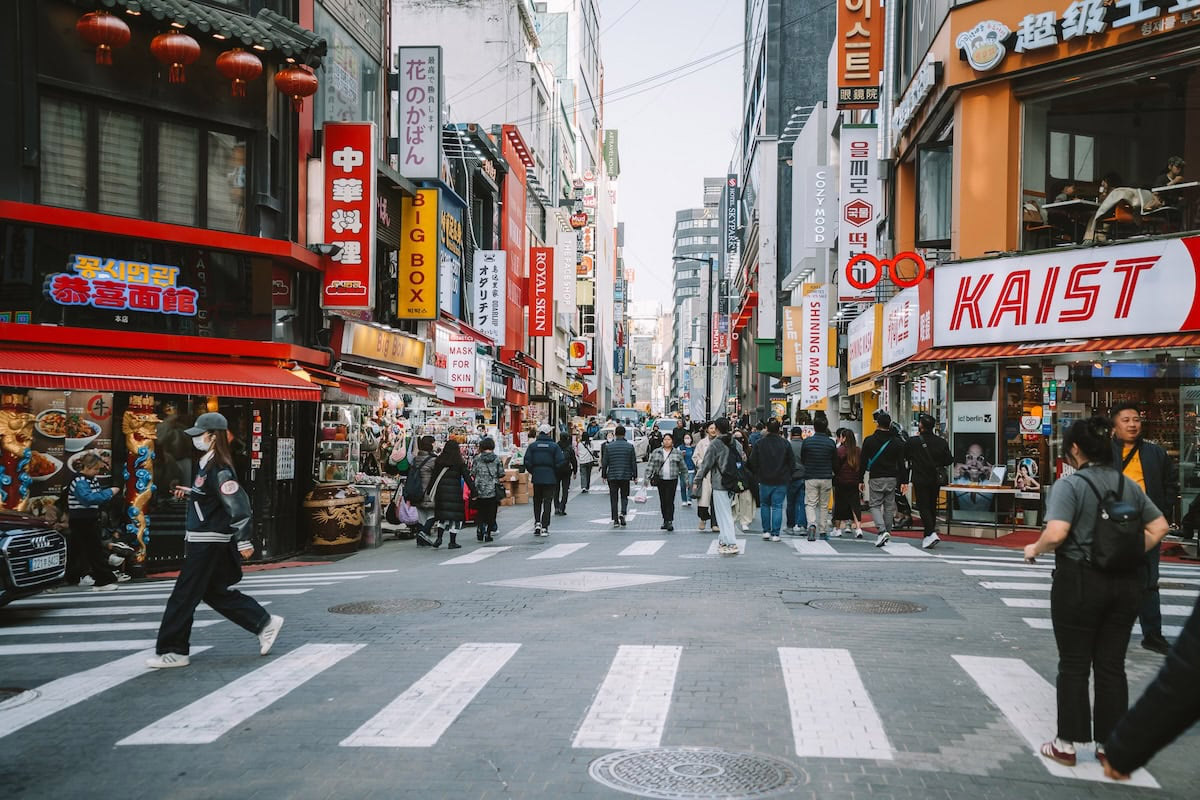
International travel numbers are skyrocketing. As a result, Seoul, Busan, Jeju, Incheon, and Daegu are the most important areas for regional economic development making sure South Korea Hotels Hold Strong in 2026. With plans led by the Ministry of Culture, Sports and Tourism, the country has blown past preliminary goals creating a structure in the hospitality sector that shows strong resilience. With the world’s obsession with K-culture growing rapidly, these municipal areas gain millions of high spending visitors. Because of this high visitor spending, strong occupancy rates and building of new infrastructure are creating intense competition within the East Asian travel market that the Korean peninsula is quickly taking over.
Background: The 2026 Resurgence of the South Korean Tourism Industry
The South Korean tourism industry has experienced an extraordinary renaissance throughout the first half of 2026, officially verified by robust datasets from the Korea Tourism Organization (KTO) and the Ministry of Culture, Sports and Tourism (MCST). Unlike the historical tourism models that relied heavily on budget-conscious group tours and short-stay retail excursions, the contemporary landscape is defined by high-yield, experiential travel. This profound paradigm shift in consumer behaviour perfectly illustrates why South Korea Hotels Hold Strong in 2026.
According to official statistics released by the KTO, inbound international arrivals reached a staggering 10.71 million visitors during the first six months of 2026. This figure represents an impressive 21.3 per cent year-on-year increase compared to the corresponding period in 2025. Crucially, the momentum accelerated significantly into the summer months, with South Korea recording 2,092,130 visitor arrivals in July 2026 alone—an all-time high that comprehensively eclipsed the 1.99 million visitors recorded in June 2026. This unprecedented volume of international travellers has successfully insulated the domestic hospitality sector against broader macroeconomic headwinds that have otherwise hindered recovery in competing Asian markets.
The demographic composition of these visitors has also evolved, displaying a more diversified and resilient inbound portfolio. While mainland China remains a pivotal source market, accounting for approximately 30 per cent of total arrivals with 3.21 million visitors in the first half of the year, other regional markets have demonstrated explosive growth. Arrivals from Taiwan surged by 33.4 per cent to reach 1.15 million, and visitors from the United States grew by 11.1 per cent to surpass 811,000. This diversification strategy, strongly supported by official government promotional campaigns, has directly benefited metropolitan and provincial destinations alike. Furthermore, the structural demand driving this influx is increasingly rooted in “content tourism”—a phenomenon spurred by the global dissemination of K-pop, K-dramas, K-beauty, and K-food. This unique cultural leverage creates an inelastic demand curve where travellers are less sensitive to pricing and exchange rate fluctuations, thereby guaranteeing sustained high occupancy rates and premium pricing power for domestic hoteliers.
Advertisement
Advertisement
Latest Official Developments: Surpassing Pre-Pandemic Passenger Traffic
The sheer scale of this tourism boom is most visibly manifested in the latest official developments concerning international passenger traffic and municipal infrastructure utilisation. Government data and authoritative reports from the Airports Council International (ACI) verify that Incheon International Airport ranked first globally in international passenger traffic during the first half of 2026. Handling an astounding 38.39 million international passengers between January and June, the airport surpassed traditional European and Asian aviation behemoths, including London Heathrow (37.79 million) and Singapore’s Changi Airport (34.53 million). This landmark achievement marks the first time since its inauguration in 2001 that Incheon has claimed the absolute top position on the global rankings list.
This monumental surge in aviation traffic is an explicit indicator of why South Korea Hotels Hold Strong in 2026. Foreign passengers accounted for a record 44.4 per cent of Incheon’s total passenger traffic during the second quarter of the year. Furthermore, the facility recorded 4.24 million transit passengers—an 18.1 per cent year-on-year increase—with European transfer routes expanding by a massive 63.2 per cent. The Ministry of Land, Infrastructure and Transport has closely coordinated with the MCST to ensure that this influx of arrivals translates into tangible overnight stays rather than mere transit layovers. By enhancing visa processing capabilities, rolling out the highly successful K-ETA (Korea Electronic Travel Authorization) system optimisations, and expanding direct rail and bus linkages to regional cities, the government has created a frictionless corridor from the arrivals hall to hotel lobbies across the nation.
Advertisement
Advertisement
Regional airports have simultaneously reported phenomenal growth trajectories. Gimhae International Airport in Busan recorded over 1.01 million international arrivals in the first half of 2026, whilst Jeju International Airport facilitated 826,352 direct foreign entries. Maritime transport also witnessed a substantial revival, with seaports handling 1.24 million international arrivals, constituting 11.6 per cent of the total inbound traffic. The Port of Busan and the Port of Incheon reported robust cruise terminal operations, directly funnelling high-net-worth international cruise passengers into the luxury hotel and premium retail sectors of their respective cities.
Seoul: The Epicentre of K-Culture and Luxury Hospitality
As the primary gateway for international visitors, Seoul remains the undisputed epicentre of the K-culture phenomenon, fundamentally reshaping its luxury hospitality market. The capital city has seamlessly transitioned from relying heavily on corporate travel and budget tourism to becoming a globally recognised premium destination for experiential luxury. According to recent market intelligence and government tourism dashboards, nearly 93 per cent of all foreign spending on high-value medical tourism occurs within Seoul, reflecting a 98 per cent year-on-year increase in medical-related financial transactions.
Advertisement
Advertisement
Hotel Market Performance and Premium Upgrades in the Capital
This highly lucrative demographic is the primary reason why South Korea Hotels Hold Strong in 2026. The capital’s hotel performance metrics have been exceptionally robust. Average Daily Rates (ADR) reached an unprecedented KRW 230,497 by early 2025 and continued growing, representing a staggering 55.9 per cent premium over pre-pandemic levels in 2019. Revenue Per Available Room (RevPAR) skyrocketed to over KRW 162,375, marking a 67.3 per cent increase over the same comparative period. Despite severe supply constraints in the premium sector, Seoul’s average hotel occupancy rate has comfortably maintained levels above 79.2 per cent.
Consequently, major domestic and international operators are aggressively upgrading their portfolios to capture this high-spending demographic. Lotte Hotels & Resorts recently unveiled the Grand Lotte Seoul, a dramatic repositioning of the former Lotte Hotel Seoul following a comprehensive 15-month renovation programme. By strategically reducing the total room count from 737 to 590, the operator has prioritised expansive suite configurations, bespoke experiential services, and elevated interior designs helmed by renowned French designers. This pivot from high-volume capacity to high-yield luxury perfectly aligns with the changing preferences of international tourists who now visit Seoul for K-pop concerts, exclusive medical treatments, and high-end shopping rather than basic sightseeing.
Furthermore, the real estate investment market in Seoul has witnessed a monumental influx of global institutional capital, with hotel transactions surpassing KRW 2.1 trillion. Sovereign wealth funds and global private equity firms are aggressively acquiring four-star and five-star assets across the Mapo, Hongdae, and Sinchon submarkets. The imminent entry of ultra-luxury global brands—such as the upcoming Rosewood Seoul scheduled for 2027 in the Yongsan District and the Capella in Seocho by 2028—promises to elevate the overall room rate ceiling across the city, cementing Seoul’s status as a top-tier global hospitality market.
Busan: The Southern Coastal Magnet Capitalising on International Tourism
While Seoul dominates the luxury and cultural sectors, Busan has successfully positioned itself as a formidable secondary market, drawing millions of tourists to its pristine coastlines and world-class convention infrastructure. As South Korea’s second-largest city and primary maritime hub, Busan has initiated aggressive promotional campaigns to achieve its official target of five million foreign visitors by the end of 2026. The initial results are profoundly encouraging; official data from the Busan Metropolitan City government reveals that the city welcomed 1.94 million foreign visitors between January and May 2026, a remarkable 40 per cent increase from the previous year.
Advertisement
Advertisement
Retail Boom and Strategic Global Summits
This massive influx is revitalising local commerce and demonstrating how South Korea Hotels Hold Strong in 2026. Foreign tourist spending in Busan surged by 56 per cent year-on-year, generating 454.4 billion won (approximately USD 307 million) in direct economic stimulus within just five months. Premium hospitality properties located in the affluent Haeundae District have reported staggering revenue growth. For instance, foreign sales at Lotte Hotel’s Signiel Busan and L7 Haeundae escalated by 60 per cent and 82 per cent, respectively. Additionally, the average length of stay for international tourists in Busan has expanded to between 2.5 and 3 nights, exponentially increasing ancillary spending on local dining, cultural exhibitions, and retail.
The economic ripple effects are visible across the city’s commercial real estate sector. The vacancy rate for medium and large commercial properties in major shopping districts like Seomyeon and Jeonpo-dong plummeted to 11.2 per cent in early 2026, down from 16.5 per cent a year earlier. To sustain this momentum, the Busan Metropolitan City administration is heavily promoting the ‘Visit Busan Pass’, expanding its international cruise terminal capacity, and hosting high-profile nocturnal tourism events such as the Starry Night at Busan Night Festa.
Moreover, the city is leveraging its robust MICE (Meetings, Incentives, Conferences, and Exhibitions) capabilities by hosting the highly anticipated 2nd Global City Tourism Summit (GCTS) in October 2026. This prestigious event will convene over 700 international leaders, government officials, and tourism innovators at the Paradise Hotel Busan. Such high-profile international gatherings ensure that the city’s premium hotel inventory remains fully booked whilst elevating Busan’s brand equity on the global stage.
Jeju Island: Visa-Free Accessibility Driving Record Casino Revenue
Jeju Island, frequently referred to as the Hawaii of South Korea, remains an indispensable pillar of the nation’s inbound tourism strategy. Governed as a Special Self-Governing Province, Jeju actively leverages its unique visa-free entry programme to attract immense volumes of short-haul international tourists, particularly from mainland China and Taiwan. According to the Jeju Tourism Organization, the island recorded 955,748 foreign tourist arrivals in the first five months of 2026, representing a robust 21.5 per cent year-on-year expansion. During the same period, overall visitation—including domestic travellers—reached 5.64 million, underscoring the destination’s potent dual appeal.
The resurgence in international arrivals is intimately linked to the exceptional performance of the island’s eight foreigner-only casino operations, providing further incontrovertible evidence of how South Korea Hotels Hold Strong in 2026. Mainland China continues to dominate the inbound demographic, contributing 613,112 visitors between January and May—accounting for 64.2 per cent of all foreign arrivals. Concurrently, the Taiwanese market exhibited astonishing growth, with arrivals surging by 102.2 per cent to reach 134,760 visitors, whilst Japanese arrivals grew by an impressive 99.3 per cent.
This broad-based geographical growth has translated into record-breaking financial yields for integrated luxury resorts. The Jeju Dream Tower, operated by Lotte Tour Development, reported phenomenal gaming activity throughout the first half of 2026. In June 2026 alone, casino revenue at the property reached KRW 48.72 billion (USD 31.3 million), marking a 36.1 per cent increase from the corresponding month in the previous year. For the entire first six months of 2026, the property generated KRW 265.72 billion (USD 170.6 million) in gross gaming revenue—a 36.6 per cent year-on-year growth trajectory.
Advertisement
Advertisement
As the resort transitions from its initial ramp-up period into a sustained “utilisation phase,” the seamless integration of world-class hotel accommodations, high-end retail, and elite gaming facilities is proving highly lucrative. The local government is currently contemplating a strategic increase in the casino tourism levy to 15 per cent, aiming to reinvest the financial windfall into sustainable community infrastructure and ecological preservation projects. This delicate balance between luxury tourism expansion and environmental stewardship ensures that Jeju remains a highly desirable, premium destination within the competitive Asian travel landscape.
Incheon: The Ultimate Asian Aviation Gateway
While globally renowned as the home of South Korea’s primary international airport, Incheon has rapidly evolved from a mere transit hub into a definitive, multi-layered tourism destination in its own right. The municipal government has strategically capitalised on its geographical proximity to the capital and its unparalleled global connectivity to establish a thriving hospitality ecosystem. As Incheon International Airport shatters global passenger records, handling nearly 40 million international passengers in the first half of 2026, the city itself has successfully intercepted a significant percentage of these arrivals.
The development of massive integrated resorts within the Incheon Free Economic Zone (IFEZ), particularly in the Yeongjong and Songdo districts, underscores why South Korea Hotels Hold Strong in 2026. Mega-developments such as the INSPIRE Entertainment Resort have comprehensively redefined the regional hospitality landscape by offering state-of-the-art arenas tailored specifically for K-pop concerts, sprawling foreigner-only casinos, and comprehensive family entertainment complexes. By integrating these world-class facilities mere minutes from the airport terminals, Incheon has successfully convinced international tourists to commence or conclude their Korean itineraries with extensive, high-spending stays within the city limits.
Furthermore, the Incheon Port Authority has aggressively revitalised the city’s maritime tourism capabilities. During the first half of 2026, Incheon Port facilitated 231,500 international sea arrivals, primarily consisting of high-net-worth cruise passengers from China and Japan. To properly accommodate this influx, local authorities have expanded the city’s luxury hotel inventory and enhanced the operational efficiency of the Airport Railroad Express (AREX), which seamlessly connects Incheon’s coastal resorts to the heart of Seoul in under 45 minutes. The strategic focus on implementing smart immigration protocols, biometric boarding, and immersive K-culture digital experiences directly within the airport terminals ensures that the visitor’s premium experience begins the moment they disembark onto South Korean soil.
Daegu: Blending Cultural Heritage with Modern Medical Tourism
Situated in the southeastern region of the Korean peninsula, Daegu—the nation’s third-largest city—offers a compelling cultural contrast to the coastal vibrancy of Busan and the metropolitan density of Seoul. Historically recognised as the commercial nucleus of the region and affectionately dubbed the “Apple City,” Daegu has meticulously cultivated a sophisticated tourism narrative centred around traditional cultural heritage, vibrant festivals, and cutting-edge medical tourism. This strategic diversification is essential to the national objective of decentralising tourist traffic, further reinforcing why South Korea Hotels Hold Strong in 2026.
Daegu’s unique appeal lies in its seamless amalgamation of historical assets and modern wellness infrastructure. International visitors are increasingly drawn to iconic landmarks such as the Seomun Market—one of the oldest and largest traditional markets in the country—and the majestic Donghwasa Temple, which features a monumental stone Buddha nestled within scenic mountainous terrain. To cater to the burgeoning influx of global travellers, the city has heavily promoted regional festivals, most notably the Daegu Chimac (Chicken and Beer) Festival held in July 2026. This culturally immersive event not only attracts vast domestic crowds but has also successfully drawn robust international contingents, effectively promoting Daegu’s vibrant culinary scene on a global platform.
Advertisement
Advertisement
Simultaneously, the Daegu Metropolitan City government has actively fostered a highly lucrative medical tourism sector, specialising in advanced cosmetic procedures, traditional Korean medicine (Hanbang), and comprehensive wellness diagnostics. By establishing dedicated international healthcare centres and partnering with premium local hotels such as the Hotel Inter-Burgo and Hotel Susung, the city offers seamless, luxury medical travel packages. This high-yield tourism variant guarantees extended average lengths of stay, as patients require ample recovery time in luxurious, discreet accommodations. The strategic deployment of English-guided tours to surrounding attractions, including the Palgongsan Cable Car and the E-World 83 Tower, ensures that medical tourists and their accompanying families inject substantial capital into the local economy, thereby sustaining elevated hotel occupancy rates across the municipality.
Government Announcements and Comprehensive Policy Implications
The spectacular quantitative and qualitative growth of the South Korean tourism sector is not an accidental phenomenon; rather, it is the direct result of meticulously engineered public policy. In late 2025, the Ministry of Culture, Sports and Tourism (MCST) unveiled its comprehensive “2026 Action Plan,” detailing a pan-governmental strategy to elevate the nation into an undisputed cultural superpower. This visionary policy framework serves as the structural foundation that ensures South Korea Hotels Hold Strong in 2026.
K-Culture as a Core Growth Engine
The primary objective of the MCST strategy is to accelerate the attainment of 30 million annual inbound tourists ahead of the original 2030 target. To accomplish this, the government has fundamentally overhauled the national tourism policy framework, elevating the “National Tourism Strategy Meeting” to serve as the supreme decision-making authority. This mechanism facilitates unprecedented inter-ministerial cooperation between the Ministry of Justice (handling immigration and visa waivers), the Ministry of Land, Infrastructure and Transport (coordinating aviation and rail capacity), and regional municipal authorities.
A critical component of this policy is the formal classification of “K-Culture” as a core future growth industry. The government has allocated substantial fiscal resources to nurture this ecosystem, including KRW 39.9 billion dedicated to film and video content production and a specialised KRW 2.45 billion fund to localise the domestic game industry for North American and Southeast Asian markets. Furthermore, the MCST has announced ambitious infrastructure projects, including the development of a state-of-the-art 50,000-seat domed stadium specifically designed to host global K-pop mega-events and the highly anticipated “FANOMENON” cultural festival slated for 2027.
The New Hotel Grading System
Crucially for the hospitality sector, the MCST introduced a heavily revised hotel grading system in July 2026. While preserving the traditional one-to-five-star hierarchy, the ministry unified all evaluation metrics into a transparent, stringent 1,000-point scale. This regulatory overhaul was designed to eliminate ambiguities and provide international travellers with reliable, standardised quality assurances. By enforcing stricter compliance regarding linguistic support, digital integration, and experiential service quality, the government is compelling domestic hoteliers to elevate their operational standards, thereby justifying the premium room rates currently observed across major metropolitan markets.
Industry Impact and Broader Economic Implications
The intersection of soaring international demand and constrained luxury supply has generated profound economic implications for the South Korean hospitality and real estate sectors. The transition away from high-volume, low-margin package tours towards highly individualised, purpose-driven “content tourism” has fundamentally altered the industry’s financial metrics. Unlike traditional leisure tourists who possess high price elasticity and readily substitute destinations based on currency fluctuations, the modern visitor travelling to South Korea is motivated by highly specific cultural imperatives—be it a BTS concert, a specialised dermatological procedure, or a pilgrimage to a K-drama filming location.
Advertisement
Advertisement
This inelastic demand profile explicitly explains why South Korea Hotels Hold Strong in 2026 despite global inflationary pressures. Hoteliers have aggressively adopted dynamic pricing algorithms and advanced digital property management systems to maximise revenue yield per available room. The emphasis has definitively shifted from merely filling capacity to curating holistic, high-spending guest experiences. As industry analysts from prominent real estate firms have noted, the structural uniqueness of the K-culture demand machine allows South Korean assets to command institutional underwriting premiums rarely seen elsewhere in Northern Asia.
The broader economic impact extends deeply into the retail, transportation, and construction sectors. Retail sales in districts heavily frequented by international tourists—such as Myeong-dong in Seoul and Haeundae in Busan—have reported triple-digit year-on-year growth in foreign credit card transactions. Furthermore, the aggressive influx of foreign direct investment into the hospitality real estate market—totalling over USD 1.35 billion in Seoul alone—has stimulated a wave of high-end architectural renovations and new property developments. This capital injection sustains thousands of jobs in the construction, interior design, and facilities management industries, firmly establishing tourism as a pivotal pillar of South Korea’s macroeconomic stability.
Official Expert Statements and the Future Outlook
Official authorities maintain a highly optimistic, yet strategically cautious, outlook regarding the future of the nation’s tourism landscape. The Ministry of Culture, Sports and Tourism has repeatedly emphasised that the current boom is merely the preliminary phase of a long-term structural transformation designed to permanently establish the Republic of Korea as an elite cultural superpower. In a series of official briefings, government representatives have articulated the necessity of avoiding the pitfalls of “overtourism” that currently plague other major global destinations. By actively dispersing tourist traffic away from the congested capital towards regional hubs like Busan, Jeju, Incheon, and Daegu, authorities are ensuring that the economic benefits of inbound travel are distributed equitably across the peninsula.
Looking ahead, the unparalleled synergy between advanced digital infrastructure, globally dominant cultural exports, and world-class hospitality facilities guarantees that South Korea Hotels Hold Strong in 2026 and well beyond. The strategic expansion of visa-free initiatives, combined with the proliferation of digital nomad visas and specialised K-culture training visas, will relentlessly continue to attract a highly diverse, affluent global demographic. As Incheon International Airport expands its passenger handling capabilities and regional governments launch highly targeted international marketing campaigns, the Republic of Korea is unequivocally positioned to dominate the Asian tourism sector. Ultimately, the meticulous coordination between public policy mandates and private sector innovation has created a remarkably resilient hospitality ecosystem, paving the way for the nation to achieve its milestone objective of welcoming 30 million annual international visitors by 2030.
Advertisement
