
France Aligns with Australia and More as Novotel Advances Wellness Travel

Published
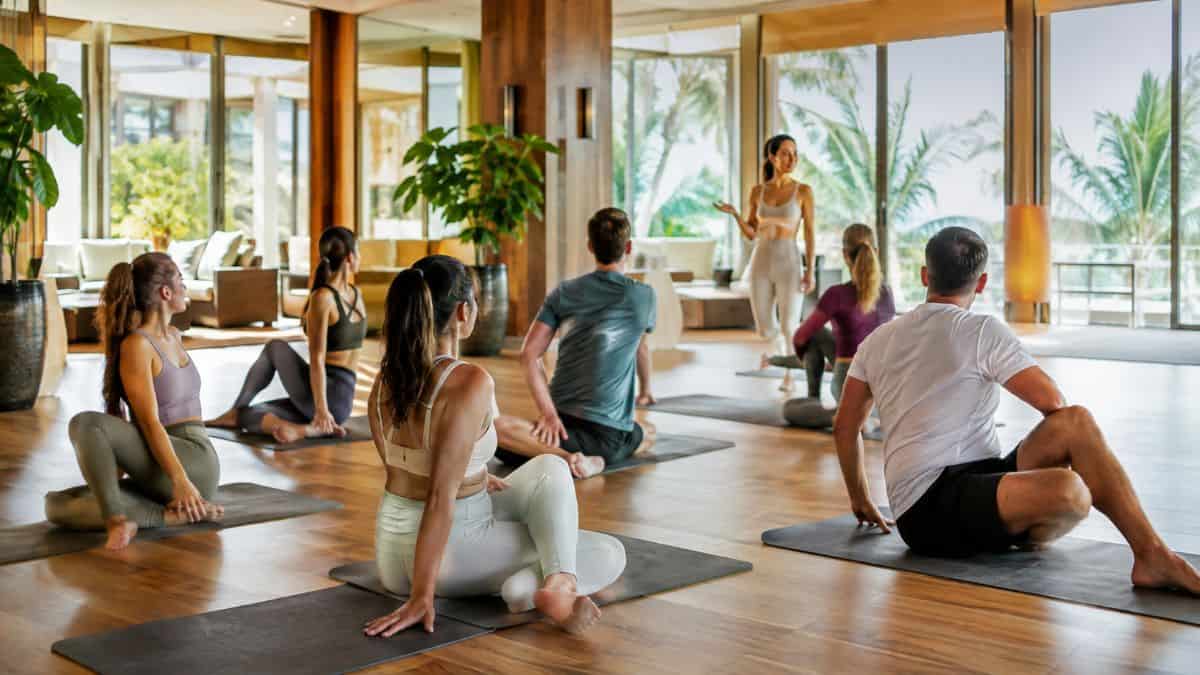
Image generated with Ai
With the launch of its first Longevity Week, Novotel continues its wellness tourism commitment, an international initiative to inspire travellers and communities to develop healthier everyday habits.
Novotel continues its wellness tourism commitment with the launch of its first Longevity Week, an international initiative to inspire travellers and communities to create healthier everyday habits. The program is open to athletes, experts and participants, and will bring them together from 7 to 13 September 2026 for a series of free sessions online and in Novotel hotels across the world. The initiative is themed on four pillars – Eat, Sleep, Move and Meet – offering a broader definition of wellbeing than traditional spa and fitness offerings. The campaign spotlights the travel industry’s emerging connection between hospitality, healthy living and meaningful travel experiences.
A worldcalss survey of 13,000 people in more than 12 countries shows that people are interested in more on long-term wellbeing.More than 70 percent respondents say they are more concerned about their wellbeing than they were five years ago, and 76% want to lead healthier lives. But the research suggests a familiar problem: knowing what is good for us is one thing, but turning those intentions into simple, lasting everyday habits can be a whole lot harder.
Credible expertise is more important than ever, with 67% of people saying it’s difficult to distinguish between credible health information and misinformation on social media. And Novotel is complementing this with a package of inclusive activities and professional expertise, making Longevity Week a real wellness travel program rather than a short promotional stunt.
Novotel Brings Longevity Into the Global Travel Experience
Longevity Week will take place during the 37th week of 2026, from 7 to 13 September. The number 37 is central to the campaign concept and represents the potential effect of making small improvements consistently over time.
Advertisement
Advertisement
The initiative arrives as wellness becomes an increasingly important consideration for travellers. Modern visitors are not necessarily looking only for accommodation, sightseeing and entertainment. Many also want travel experiences that allow them to maintain elements of their normal lifestyle while supporting physical, mental and social wellbeing.
Advertisement
Advertisement
Hotels have an important role in this evolution because they sit at the centre of the traveller experience. Accommodation influences where guests sleep, what they eat, how they spend their leisure time and how they interact with other people. By incorporating wellness into these everyday touchpoints, hotels can make healthy behaviour more accessible.
Novotel’s approach is based on achievable habits rather than dramatic lifestyle changes. This distinction is particularly relevant to travellers, whose routines can be disrupted by long journeys, changing schedules, business commitments and unfamiliar environments.
Research Shows Wellbeing Has Become a Travel Priority
The research commissioned by Novotel provides a useful picture of changing attitudes towards health and longevity. The survey covered 13,000 people in 12 countries and found that interest in future wellbeing has increased significantly.
Advertisement
Advertisement
More than seven in ten respondents said they are more concerned about their future wellbeing than they were five years ago. At the same time, 76% said they would like to live a healthier lifestyle.
However, recognising the value of healthy behaviour does not automatically result in consistent action. Many people understand that nutritious food, sufficient sleep and regular exercise are important but find it difficult to incorporate them into everyday life.
Advertisement
Advertisement
This challenge becomes even more relevant during travel. Holidays can involve late nights, restaurant meals, lengthy journeys and packed itineraries, while business travel may create additional pressure through meetings and irregular schedules.
| Key research area | Novotel finding |
|---|---|
| People surveyed | 13,000 |
| Countries represented | 12 |
| Greater interest in future wellbeing | 71% |
| Respondents seeking a healthier lifestyle | 76% |
| Difficulty identifying trustworthy social media health advice | 67% |
| Confidence in recognising credible information | 62% |
These figures demonstrate why practical wellness guidance can be valuable within the hospitality environment. Rather than expecting travellers to follow complicated programmes, hotels can introduce simple options that fit naturally around existing travel plans.
Eat Sleep Move and Meet Form the Wellness Framework
The Novotel 37 Collective is leading the initiative around four pillars: Eat, Sleep, Move and Meet. Together, they provide a broad framework for understanding wellbeing during everyday life and travel.
Eat focuses on nutrition and encourages greater awareness of food choices. Dining is a fundamental part of tourism, with local cuisine often forming an important component of cultural discovery. Wellness-oriented hospitality can therefore seek to combine enjoyment of regional food with balanced choices.
Sleep focuses on the importance of quality rest. Travel can create challenges for sleep through jet lag, unfamiliar surroundings and changing schedules. Hotel environments are particularly important because accommodation quality can influence how effectively travellers rest between activities.
Advertisement
Advertisement
Move encourages regular physical activity. The concept does not depend entirely on conventional gym workouts. Walking through a destination, taking part in recreational activities or incorporating simple movement into the day can all contribute to a more active travel experience.
Meet focuses on social connection. Travel can create opportunities to interact with family members, friends, colleagues, local communities and fellow travellers. Social experiences can add depth to holidays while supporting the wider concept of wellbeing.
Expert Guidance Adds Credibility to the Programme
Novotel has brought together athletes and specialists through the 37 Collective to provide practical perspectives on longevity and wellbeing. Olympic surfer Kauli Vaast and sleep expert Olivia Arezzolo are among the figures involved.
The participation of specialists is particularly relevant because the research highlights uncertainty around health information found online. While 62% of respondents said they feel confident identifying credible information, 67% also said social media can make it difficult to determine which advice is trustworthy.
This contradiction illustrates the challenge facing consumers. The digital environment provides enormous access to wellness information, but the quality and reliability of that information can vary considerably.
Advertisement
Advertisement
Expert-led sessions can therefore help travellers approach wellness with greater confidence. The programme’s free availability also supports broader access, allowing participation beyond people staying at particular properties.
Wellness Tourism Is Moving Beyond Traditional Spa Breaks
The development of Longevity Week reflects a wider change in the wellness tourism market. Wellness travel is increasingly about the complete experience rather than a single treatment or activity.
A modern wellness-focused hotel may provide nutritious dining, comfortable sleep environments, fitness opportunities, outdoor activities and social experiences alongside traditional leisure facilities.
This broader approach can appeal to different types of travellers. Families may value activities that encourage movement and connection, while business travellers may appreciate practical approaches to sleep and routine. Leisure travellers can also integrate wellbeing into sightseeing and cultural experiences without dedicating an entire holiday to health-focused activities.
For destinations, the trend creates opportunities to combine wellness with local identity. Walking routes, regional cuisine, outdoor recreation, cultural experiences and community interaction can all contribute to a richer travel proposition.
Advertisement
Advertisement
Small Habits Can Become Part of Everyday Holidays
One of the central messages behind Novotel’s campaign is that meaningful change does not necessarily require major transformation. Small actions can be easier to maintain, particularly when people are travelling.
A guest might choose a balanced breakfast before sightseeing, walk rather than use transport for part of a journey, prioritise sufficient sleep after a long flight or spend time connecting with other people.
These behaviours may appear modest individually, but they fit naturally into the travel environment. This makes the approach potentially more sustainable than highly demanding wellness routines.
For hospitality companies, the emphasis on simple actions also provides an opportunity to integrate wellbeing into existing services. Restaurants, guest rooms, recreational facilities and communal areas can all contribute to a wellness-oriented experience.
Hospitality Brands Are Responding to Changing Traveller Expectations
The growing interest in wellbeing is changing how hotels communicate their value to consumers. Guests increasingly expect accommodation to contribute to the quality of their overall journey.
Advertisement
Advertisement
Novotel’s initiative illustrates how a hotel brand can position wellness as an accessible part of mainstream hospitality. Instead of treating wellbeing as a premium service available only through specialist retreats, the campaign connects it with ordinary hotel stays and everyday routines.
This approach also reflects changing expectations around travel itself. Travellers increasingly seek experiences that feel restorative, meaningful and compatible with their personal priorities.
The hospitality industry can respond by creating environments where guests do not have to choose between enjoying a destination and maintaining healthy habits. Wellness can become integrated into the travel experience rather than operating separately from it.
Longevity Week Could Influence Future Wellness Travel
Wellness is being built into the larger tourism ecosystem, as illustrated by Novotel’s Longevity Week. The combination of international research, expert participation and accessible programming gives the initiative a relevance that extends beyond one week.
The campaign also emphasises the value of credible information. As travellers discover more health and wellness content online, trusted expert advice can help make wellness efforts more effective and responsible.
Advertisement
Advertisement
The program is a sign of a future where hotels are active participants in healthier travel experiences for the wider travel industry. All of these can be incorporated into accommodation and destination planning in terms of nutrition, rest, movement and social connection.
In the end, Longevity Week is longevity as a practical idea, based on manageable habits. The Four Pillars of healthy life are Eat, Sleep, Move and Meet. This focus recognises that wellbeing is multi-dimensional and can be supported throughout the travel journey.
With the growth of the wellness tourism industry, these types of campaigns can serve to motivate tourists to see their holidays not just as a time to explore and relax, but a time to build habits that facilitate a healthier and more fulfilling life.
FAQs
What is Novotel Longevity Week?
Novotel Longevity Week is an international wellness initiative designed to encourage practical daily habits supporting healthier and more fulfilling lifestyles.
Advertisement
Advertisement
When will Novotel Longevity Week take place?
The inaugural Longevity Week will run from 7 to 13 September 2026.
What are the four pillars of the initiative?
The four pillars are Eat, Sleep, Move and Meet.
How many people participated in Novotel’s research?
Advertisement
Advertisement
The research involved 13,000 respondents across 12 countries.
What percentage of respondents want a healthier lifestyle?
The study found that 76% of respondents would like to live a healthier lifestyle.
Why is expert guidance important to wellness tourism?
Expert guidance can help travellers navigate the large amount of health information available online and make more informed choices.
Advertisement
Advertisement
Who is part of the Novotel 37 Collective?
The collective includes athletes and specialists, including Olympic surfer Kauli Vaast and sleep expert Olivia Arezzolo.
Will the Longevity Week sessions be free?
Yes, Novotel says the sessions will be available free of charge online and at hotels worldwide.
How does wellness tourism benefit travellers?
Advertisement
Advertisement
Wellness tourism can help travellers combine leisure and discovery with activities and routines that support physical, social and overall wellbeing.
Why is wellness becoming more important in hospitality?
Travellers are increasingly seeking experiences that support healthier lifestyles, making wellness an increasingly relevant part of hotel services and destination experiences.
Advertisement
