
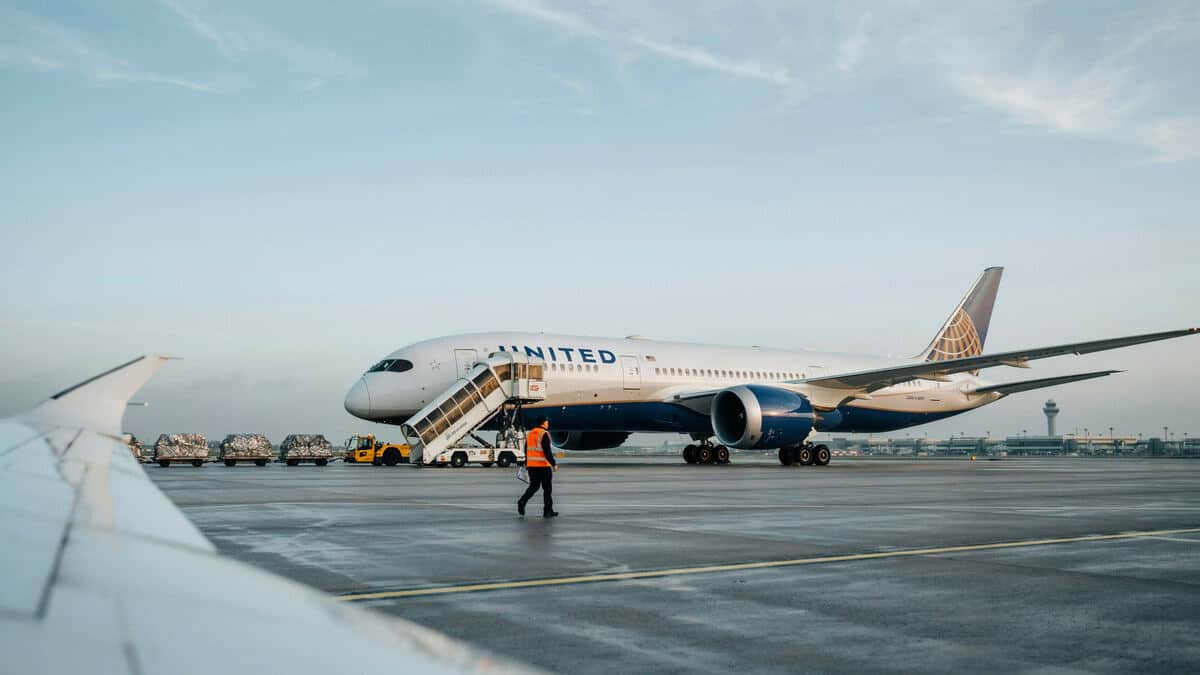
United Airlines revolutionaries! Witness this major carrier’s impressive transformation of the airline industry through their innovative use of NDC dynamic attribute bundles and real-time AI pricing engine technology, enabling passengers to experience an airline ticketing process that will fundamentally change forevermore!
United Airlines leads the way in modernizing the world’s fastest-growing retailing sector through their ingenious application of NDC dynamic attribute bundles and real-time AI pricing engine technology, forever altering the way passengers buy airline tickets. This groundbreaking approach to airline ticketing was sure to disrupt traditional distribution channels while simultaneously replacing outdated legacy systems with cutting-edge digital solutions, offering customers unparalleled convenience with fully personalized seat selection, carbon offset options, and ancillary products. Industry insiders are already tipping this trailblazing digital disruption to redefine the world’s most profitable commercial aviation sector benchmark for years to come.
Advertisement
Airlines are modernising global commerce by replacing rigid legacy Passenger Service Systems with New Distribution Capability APIs and real-time artificial intelligence pricing engines, shifting the entire aviation industry toward dynamic attribute-based bundling. This technological evolution allows carriers to move away from static fare classes and construct hyper-personalised offers that instantly package seating zones, carbon offsets, and tailored ancillaries based on context.
Traditional airline distribution relied on archaic Passenger Service Systems and rigid electronic ticketing structures that restricted carriers to a handful of static fare buckets. These legacy infrastructures created severe revenue leakage and prevented commercial teams from merchandising modern ancillary products efficiently across diverse sales channels. Modern carriers are tearing down this outdated plumbing because flexible XML and JSON protocols enable real-time communication between inventory databases and customer touchpoints. This foundational shift grants commercial strategists absolute control over product presentation while eliminating the artificial constraints imposed by traditional global distribution systems. Consequently, airlines can respond to shifting market demand within milliseconds rather than relying on pre-filed seasonal pricing schedules.
Advertisement
Advertisement
Algorithmic retailing empowers travel providers to assemble custom product packages tailored precisely to individual passenger intentions and immediate journey contexts. Instead of purchasing a basic ticket and manually adding separate extras, travellers receive cohesive bundles featuring preferred seating zones, specialised family accommodations, and integrated sustainability metrics. These dynamic merchandising models analyze loyalty data and contextual intent to present seamless offers that elevate passenger satisfaction while maximising ancillary attachment rates. Furthermore, corporate travellers and holidaymakers benefit from transparent pricing structures that eliminate the friction typically associated with hunting down disparate add-on services.
“United Airlines has officially redefined modern aviation commercial strategy by ditching clunky, outdated booking infrastructure in favour of agile, data-driven NDC frameworks. By embracing real-time artificial intelligence pricing engines and dynamic attribute-based bundling, the carrier is successfully eliminating legacy inefficiencies while delivering hyper-personalised travel packages directly to consumers. This monumental technological leap forward proves that legacy airlines can indeed master digital innovation, ensuring higher ancillary revenue capture, absolute channel control, and an exceptionally smooth, transparent booking journey for everyday global flyers navigating an increasingly complex modern aviation marketplace.”
— Anup Kumar Keshan, Founder and Editor-in-Chief, Travel And Tour World
International aviation leaders are aggressively deploying modular merchandising frameworks to reshape domestic and international revenue management strategies. European legacy groups like Air France-KLM and Lufthansa are pioneering direct distribution strategies that bypass traditional intermediaries in favour of native application programming interfaces. Meanwhile, major American carriers including United Airlines and American Airlines utilise continuous pricing algorithms to safeguard exclusive content within direct booking channels. In the Asia-Pacific region, Singapore Airlines leverages integrated customer data platforms to deliver hyper-targeted ancillary retailing directly to mobile devices.
Advertisement
Advertisement
Integrating complex artificial intelligence engines with legacy departure control systems introduces significant operational hurdles for traditional airlines operating in conservative markets. Industry stakeholders must standardise interline order capabilities and refine data alignment frameworks to ensure seamless communication across global alliance partners. Furthermore, travel management companies and traditional aggregators are forced to modernise their back-office accounting procedures to process native order management records accurately. Overcoming these technical friction points requires unprecedented collaboration between software vendors, regulatory bodies, and commercial aviation executives.
For comprehensive regulatory frameworks governing global digital airline distribution and consumer protection standards, consult the International Air Transport Association (IATA) official portal.
The rapid introduction of innovative distribution capability protocols and artificial intelligence algorithms can be attributed to the rising demand for transparent and flexible fare systems and the need to embrace digital-first approaches towards travel planning. The inability of traditional fare structure to satisfy the changing needs of the contemporary consumer has led to loss of significant revenues and frustrations among passengers who had to compromise their preferences for the sake of cost-saving. As a result, airlines had to embrace continuous pricing models and uniform order systems to enhance additional revenue streams and eliminate such challenges. Such cutting-edge technologies as continuous pricing have been introduced to address the merchandising limitations and provide every customer with an opportunity to personalize their journey according to their preferences and pay for it accordingly. This disruptive change in the industry is bound to create unprecedented profits for the airline companies while providing a much-needed convenience and value for their clients around the world.
Advertisement
Advertisement
Advertisement













Sunday, September 6, 2026

Sunday, September 6, 2026

Sunday, September 6, 2026
Sunday, September 6, 2026

Saturday, September 5, 2026

Saturday, September 5, 2026

Saturday, September 5, 2026

Saturday, September 5, 2026



