
Qatar Joins Israel, UAE, Saudi Arabia, Germany, France, China, and Other Major Nations are Looking Forward to the US-Iran Deal to be Signed Today Unlocking the Strait of Hormuz Reopening, Fueling Oil and LNG Market Stability, Tourism and Aviation Recovery

Published
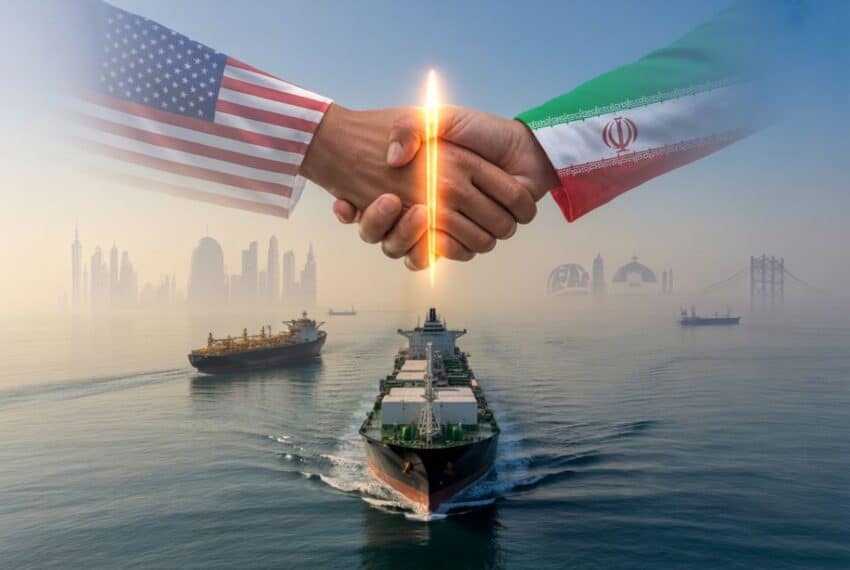
Qatar joins Israel, UAE, Saudi Arabia, Germany, France, China and others as the US-Iran deal signing today signals easing tensions, reopening the Strait of Hormuz and stabilizing oil, LNG markets while boosting tourism and aviation recovery globally. The anticipated US–Iran agreement, as described in current international reporting and policy briefings, represents a significant geopolitical moment with potential to reshape energy flows, maritime security, and broader economic stability across multiple regions. While details remain subject to diplomatic confirmation and phased implementation, several major economies and regional actors are positioning themselves in expectation of reduced tensions and improved trade conditions linked to a possible de-escalation framework.
This analysis examines how key countries—including Qatar, Israel, the UAE, Saudi Arabia, Germany, France, China, and others—are preparing for potential outcomes of such a deal, particularly in relation to the Strait of Hormuz, global energy markets, aviation recovery, and tourism revival.
Advertisement
Advertisement
FAQ 1: What is the US–Iran deal expected to achieve?
A: It is expected to reduce regional tensions, reopen key maritime routes like the Strait of Hormuz, and stabilize global energy markets through phased diplomatic commitments.
FAQ 2: Why is the Strait of Hormuz important?
A: It is one of the world’s most critical energy corridors, handling a major share of global oil and LNG shipments between the Gulf and international markets.
Advertisement
Advertisement
FAQ 3: How could the deal affect oil and LNG prices?
A: Reduced geopolitical risk typically lowers shipping insurance costs and market volatility, helping stabilize global oil and LNG prices.
FAQ 4: Which countries benefit the most from the US–Iran agreement?
A: Energy-importing nations like Germany, France, China, and India, along with Gulf economies such as Qatar, UAE, and Saudi Arabia, are expected to benefit.
Advertisement
Advertisement
FAQ 5: How does the deal impact aviation and tourism?
A: Lower regional risk improves travel confidence, reduces operational costs for airlines, and supports recovery in global tourism and aviation sectors.
FAQ 6: Is the agreement fully confirmed?
A: It is described as a conditional framework in current reporting, with final implementation dependent on diplomatic approvals and phased execution.
US–Iran Agreement Signing Today 2026: Diplomatic Breakthrough or Conditional Framework Transition
The anticipated signing today represents a potential turning point in US–Iran relations, structured as a phased memorandum of understanding rather than a fully finalized peace treaty. Current diplomatic reporting indicates that the agreement is expected to be signed electronically with mediation support from regional actors including Pakistan and Qatar. The framework focuses on immediate de-escalation, reopening maritime routes, and establishing a 60-day negotiation window for deeper political and nuclear discussions. Despite optimism from US officials, Iranian authorities continue to signal internal debate, making the agreement conditional rather than fully settled.
- Electronic signing expected today under mediator supervision
- 60-day ceasefire and negotiation phase structure proposed
- Conditional approval pending Iranian internal review
- Mediators include Qatar, Pakistan, and regional partners
- Focus on phased implementation rather than instant resolution
| Component | Status Today | Expected Outcome |
|---|---|---|
| Signing Process | In progress | Electronic MoU |
| Ceasefire Framework | Proposed | 60-day phase |
| Iranian Approval | Conditional | Pending finalization |
| Mediation Role | Active | Regional coordination |
Strait of Hormuz Reopening Today 2026: Global Oil and LNG Flow Stabilization Impact
A central pillar of the agreement expected to be signed today is the reopening of the Strait of Hormuz, one of the most important maritime chokepoints for global energy transport. Verified energy data from international agencies such as the International Energy Agency (IEA) and US Energy Information Administration (EIA) consistently highlight the strait’s critical role in global oil and LNG movement. If implemented, reopening would immediately reduce shipping risk premiums, restore tanker traffic confidence, and normalize energy logistics flows that have been disrupted during the conflict period.
- Restores global oil and LNG maritime transit routes
- Reduces shipping insurance and freight costs
- Improves tanker traffic safety and predictability
- Supports stabilization of global energy supply chains
- Lowers geopolitical risk in Gulf maritime corridors
| Maritime Factor | Current Condition | Post-Signing Expectation |
|---|---|---|
| Shipping Flow | Restricted | Reopening underway |
| Insurance Costs | Elevated | Declining |
| LNG Transit | Disrupted | Stabilizing |
| Naval Risk | High | Reduced |
Qatar LNG and Energy Export Stability 2026: Strategic Winner of Hormuz Normalization
Qatar’s LNG sector is positioned as one of the strongest beneficiaries of a successfully signed agreement today. As a leading global LNG exporter, Qatar depends on secure and uninterrupted access through the Strait of Hormuz to meet long-term supply commitments across Europe and Asia. A stabilization of maritime conditions directly improves export reliability, lowers operational risk, and strengthens Qatar’s role in global energy transition strategies.
- Ensures uninterrupted LNG export corridors
- Strengthens long-term supply contract reliability
- Reduces maritime insurance and logistics costs
- Enhances Qatar’s global energy market position
- Supports European and Asian energy diversification
| LNG Metric | Pre-Deal Condition | Post-Signing Outlook |
|---|---|---|
| Export Security | Moderate | High |
| Contract Stability | Stable | Strong |
| Shipping Costs | High | Lower |
| Market Demand Alignment | High | Higher |
Israel Security Position 2026: Strategic Concerns Amid US–Iran Diplomatic Shift
Israel’s reaction to the expected signing today remains cautious, driven primarily by national security considerations and regional deterrence strategy. While reduced escalation lowers immediate conflict risk, Israeli strategic assessments focus on enforcement mechanisms, verification protocols, and the long-term behavior of Iran and its regional networks. Defense analysts suggest that while the agreement may reduce short-term hostilities, Israel continues to prioritize intelligence monitoring and contingency readiness.
Advertisement
Advertisement
- Reduces immediate escalation risk in the region
- Maintains focus on nuclear verification mechanisms
- Sustains intelligence and defense monitoring posture
- Lowers probability of direct multi-front conflict
- Raises concerns over long-term enforcement credibility
| Security Dimension | Current Status | Post-Signing Outlook |
|---|---|---|
| Conflict Risk | Elevated | Reduced |
| Intelligence Operations | High | High |
| Military Readiness | High | Moderate |
| Regional Stability | Unstable | Cautiously improving |
Gulf Economic Growth 2026: Saudi Arabia and UAE Investment Surge from Stability
Saudi Arabia and the United Arab Emirates are positioned to gain significantly from today’s expected agreement signing. Both economies rely on regional stability to support long-term diversification strategies, tourism growth, logistics expansion, and foreign direct investment inflows. Stabilized oil markets and reduced geopolitical risk improve fiscal planning and strengthen non-oil sector development under national transformation frameworks.
- Boosts foreign direct investment inflows
- Strengthens tourism and aviation sectors
- Reduces oil price volatility impact on budgets
- Supports logistics and trade hub expansion
- Enhances long-term diversification strategies
| Economic Indicator | Current Trend | Post-Signing Outlook |
|---|---|---|
| Investment Flow | Stable | Increasing |
| Tourism Sector | Growing | Accelerating |
| Oil Revenue Volatility | Moderate | Lower |
| Non-Oil GDP Growth | Rising | Stronger |
European Energy Security 2026: Inflation Relief from Middle East Stabilization Impact on Germany and France
European economies including Germany, France, Italy, Spain, and the Netherlands are expected to benefit from reduced energy volatility following the signing today. Energy costs remain a major driver of inflation across the Eurozone, making stability in Gulf supply routes critically important. A reduction in geopolitical tension supports LNG import stability and strengthens industrial competitiveness across manufacturing-heavy economies. For Germany, lower gas price volatility directly improves output conditions in energy-intensive sectors such as automotive manufacturing and chemicals. France benefits through improved import cost stability and reduced pressure on transport fuel pricing. Both economies contribute significantly to Eurozone inflation trends, meaning even marginal energy price improvements have wider monetary policy implications. The European Central Bank’s inflation management strategy is therefore indirectly supported by reduced external energy risk.
- Stabilizes LNG import pricing across Europe
- Supports inflation reduction efforts
- Improves industrial energy cost predictability
- Enhances supply chain reliability
- Strengthens Eurozone economic resilience
| EU Factor | Current Pressure | Post-Signing Impact |
|---|---|---|
| Inflation Risk | High | Declining |
| Energy Prices | Volatile | Stabilizing |
| Industrial Output | Pressured | Improving |
| Supply Chains | Unstable | More stable |
China and India Energy Security 2026: Import Stability from Hormuz Reopening
China and India remain heavily dependent on Gulf energy imports, making them key stakeholders in today’s expected signing. Both economies benefit from reduced price volatility and improved maritime security conditions in the Strait of Hormuz. A stabilized corridor ensures predictable crude oil and LNG flows, supporting industrial production and macroeconomic stability.
- Secures stable crude oil import flows
- Reduces exposure to global price shocks
- Improves maritime logistics reliability
- Supports industrial growth planning
- Enhances long-term energy security
| Country | Energy Dependency | Post-Signing Benefit |
|---|---|---|
| China | High | High stability |
| India | High | High stability |
| Import Costs | Volatile | Moderating |
| Supply Security | At risk | Strengthening |
Global Aviation and Tourism Recovery 2026: Lower Risk Premiums After Signing
The aviation and tourism sectors are expected to see immediate indirect benefits from today’s anticipated signing. Reduced geopolitical risk lowers fuel volatility and insurance costs while improving international air corridor stability. Gulf aviation hubs such as Doha and Dubai are expected to benefit from increased transit traffic and improved passenger confidence.
- Reduces airline operational risk exposure
- Stabilizes aviation fuel pricing
- Strengthens global tourism recovery
- Enhances Gulf hub connectivity
- Improves business travel demand
| Sector | Current Condition | Post-Signing Outlook |
|---|---|---|
| Airline Costs | High volatility | Stabilizing |
| Tourism Demand | Recovering | Strong growth |
| Route Stability | Moderate | High |
| Hub Connectivity | Strong | Stronger |
Strait of Hormuz Global Trade Corridor 2026: Strategic Reset After Signing Today
The Strait of Hormuz remains one of the world’s most critical energy transit corridors, and today’s expected agreement signing is designed to restore predictable access to this route. Global institutions consistently highlight its role in facilitating a significant share of global oil and LNG trade. Stability in this corridor directly influences inflation, energy pricing, shipping logistics, and sovereign economic planning worldwide.
- Restores critical global energy transit route
- Reduces geopolitical maritime risk exposure
- Stabilizes global commodity pricing
- Strengthens international trade logistics
- Supports long-term economic forecasting
| Strategic Factor | Current Status | Post-Signing Outlook |
|---|---|---|
| Trade Flow | Disrupted | Restoring |
| Energy Transit | Risk-prone | Stabilizing |
| Global Pricing | Volatile | Moderating |
| Maritime Security | High risk | Improving |
In conclusion, Qatar alongside Israel, UAE, Saudi Arabia, Germany, France, China, and other major nations is looking forward to the US-Iran deal to be signed today as expectations build around reduced tensions and improved global stability. If completed, the agreement could unlock the Strait of Hormuz reopening, easing maritime risks and restoring key energy routes. This would fuel oil and LNG market stability by reducing price volatility and supply disruptions across global trade. At the same time, the easing of geopolitical pressure is expected to support tourism and aviation recovery, improving travel confidence and boosting international mobility. Overall, the signing today is viewed as a critical step toward stabilizing energy flows, strengthening global markets, and improving economic outlooks across multiple regions.
Advertisement
