
Morocco Tourism Reaches New Heights With Summer Arrivals And Unstoppable Global Travel Hype, Find Out Now

Published
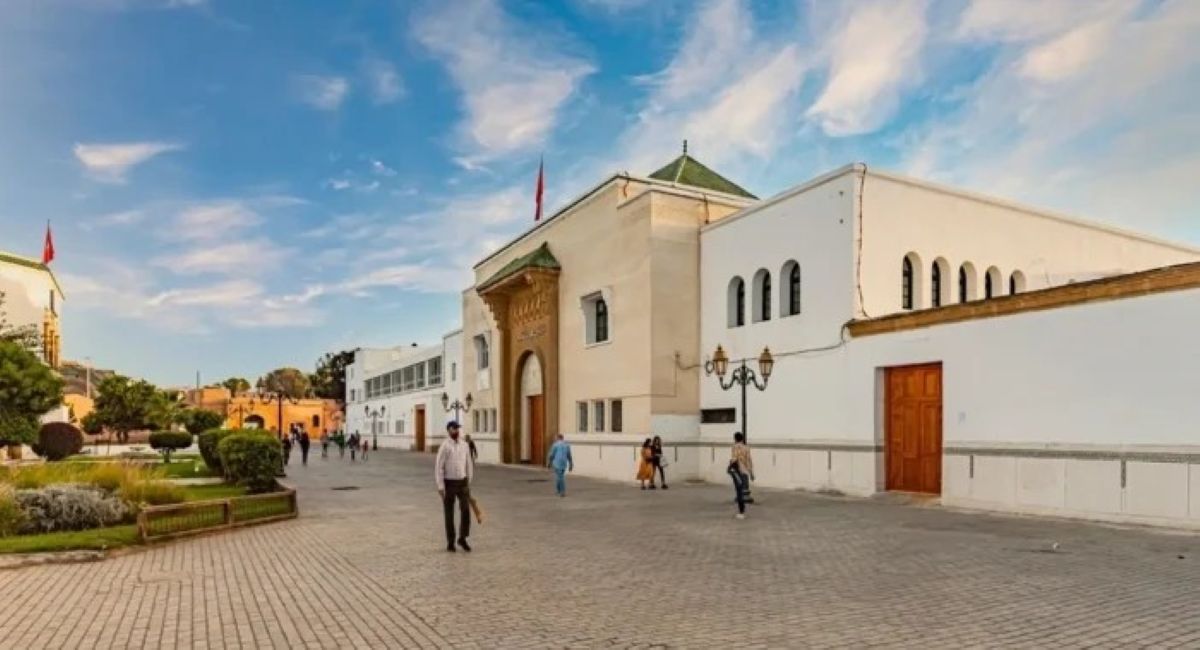
Image Credit moroccotravel.co
Morocco is so beautiful right now. The pictures do not do the country justice. With Marrakech’s beautiful square littered with food and busy with entertainment, and Tangier’s beautiful cliffside buildings, it’s easy to see why your friends can’t stop posting about this place. Let’s be honest, the hundreds of pictures of the beautiful Moroccan skies and riads don’t hurt either. Usually travel is about adventure, new experience, and enjoyment. With new cultures to experience and new architecture to admire, it can be easy to shift your focus to new and exciting things and places to invigorate your soul. For Morocco to be so colorful and enchanting, you start to understand your friends’ obsession.
The people of this country embrace visitors, and the food sustains and revitalizes. There is no wonder as to why you have heard so many wonderful things about this country, and why it’s on everyone’s list to go for their first (or latest) international trip. It is one of the best places to see for the first time, and it will captivate you as much as it has your friends.
Analyzing the Historic Milestone Where August Arrivals Top 2 Million for the First Time – Morocco Sets New Summer Tourism Record
Advertisement
Advertisement
Morocco has officially shattered previous expectations by reporting an astounding 14.1 million visitors during the initial eight months of 2026, marking a robust 4.5% year-on-year increase. Most notably, the month of August crossed the historic threshold of 2 million arrivals within a single month for the very first time. This remarkable achievement underscores a massive surge in international interest, driven heavily by diverse source markets. Specifically, data spanning from January to June highlighted extraordinary surges, led by Poland with an impressive +32% growth rate. Following closely behind were Germany at +14%, the Netherlands at +10%, France at +9%, the USA at +9%, Belgium at +9%, Italy at +6%, and the UK at +4%. These widespread increases demonstrate that global travelers from North America and Europe are increasingly prioritizing this culturally rich destination for their summer and seasonal holidays.
Beyond simple statistics, this massive influx reflects a profound change in how tourists approach international journeys, favoring destinations that offer deep historical roots, dynamic culinary scenes, and diverse landscapes ranging from coastal escapes to mountain ranges. Observers note that when a single destination experiences such a colossal wave of visitors, it forces neighboring regions and international airlines to rethink capacity limits. For the global traveler, this environment means that securing reservations requires significantly more foresight than it did in previous years. As iconic hubs like Marrakech and coastal getaways absorb higher foot traffic, visitors must adapt their planning strategies to navigate busier attractions, ensuring they still enjoy deeply immersive cultural encounters despite the heightened global demand.
Advertisement
Advertisement
Exploring the Future Outlook and Global Travel Industry Impacts Leading Toward 2030
Looking ahead, Morocco has established an ambitious national tourism target of 26 million annual visitors by 2030, a milestone that coincides perfectly with its joint hosting of the 2030 FIFA World Cup alongside Spain and Portugal. To accommodate this massive influx, the nation is actively expanding its domestic infrastructure and strategically targeting emerging long-haul source markets such as China, India, and Latin America. For global travelers, this monumental growth signals a significant transformation in international tourism management, necessitating advanced booking windows, enhanced flight connectivity, and greater demand for diverse accommodation options. As the North African travel market continues to demand continuous monitoring, visitors worldwide can anticipate richer cultural exchanges, upgraded hospitality services, and competitive global tourism offerings as preparations for the international sporting showcase accelerate.
Advertisement
Advertisement
This long-term expansion carries profound implications for the global travel ecosystem, demonstrating how mega-events can reshape national economies and tourism blueprints on an unprecedented scale. Travelers eyeing international itineraries over the next several years will encounter a landscape defined by upgraded transportation networks, modernized hospitality facilities, and more sophisticated digital booking platforms designed to handle massive tourist volumes. Furthermore, as the country bridges connections with distant markets across Asia and the Americas, global tourism corridors will become even more interconnected. Ultimately, these developments serve as a clear indicator for international explorers that proactive planning, early reservations, and an openness to exploring emerging secondary regions will become essential tools for anyone wishing to experience the magic of this thriving Mediterranean and African crossroad.
Broad Financial Metrics and Revenue Surges Across the North African Hospitality Sector
The extraordinary expansion of international visitors into Morocco has triggered a massive economic ripple effect, translating directly into record-breaking financial yields across the nation. According to official monetary assessments compiled by the Moroccan Ministry of Tourism alongside data from the Department of Economic and Financial Studies (DEPF), total tourism-related revenues surged aggressively, crossing MAD 53.8 billion during the initial half of 2026. This stellar economic milestone illustrates that modern international travelers are spending more per capita on localized experiences, high-end accommodations, and guided cultural excursions than in preceding years. Financial analysts note that this steady capital inflow provides essential leverage for the national economy, reinforcing fiscal stability while supporting regional development outside primary metropolitan hubs like Casablanca and Rabat. Furthermore, foreign exchange reserves have benefited immensely from this continuous visitor influx, cementing the travel sector as one of the principal pillars driving sustainable macroeconomic growth throughout North Africa.
Comprehensive Strategic Rail and Transit Network Modernization Ahead of the Upcoming Global Sporting Event
Advertisement
Advertisement
To seamlessly transport millions of domestic and international visitors, Morocco is accelerating massive, multi-billion-dollar transportation and infrastructure transformations. Central to this modernization strategy is the expansion of the famed Al Boraq high-speed rail network, which is currently scaling up connections to link major tourist and host cities like Marrakech, Tangier, and Casablanca ahead of the 2030 FIFA World Cup. Transport ministry figures indicate that billions are being channeled into upgrading regional airports, expanding tarmac capacities, and optimizing public transit links to handle high-density passenger flows smoothly. For global travelers, these large-scale transit improvements minimize travel friction, drastically cutting down cross-country transit times between coastal resorts and historical imperial cities. As Spain and Portugal coordinate closely with North African transit authorities, international tourists can anticipate a unified, highly efficient tri-nation transportation corridor that simplifies multi-destination itineraries across the Mediterranean basin.
Specialized Diversification into Niche Tourism Segments Including Surf Culture and Desert Eco-Ventures
Beyond traditional sightseeing, Morocco is successfully capturing specialized traveler segments by aggressively diversifying into high-value niche tourism markets. Recent market analytics highlight substantial upward trajectories in surf tourism along coastal towns like Taghazout, luxury desert eco-tourism camps in Merzouga, and film-induced tourism centered around the legendary production studios in Ouarzazate. Ministry tracking reveals that adventure and outdoor recreation segments have attracted a younger, experience-driven demographic hailing predominantly from western source markets such as the USA, France, and Germany. This strategic diversification prevents regional overcrowding in iconic urban centers while distributing economic benefits to rural communities. For modern explorers, these expanding niche offerings ensure that trips to North Africa can be deeply personalized, blending rugged outdoor exploration with authentic, community-led cultural immersion.
Accelerated Growth in Corporate Mobility, Professional Conferencing, and Business Tourism Nationwide
While leisure travel constitutes the vast majority of inbound visits, corporate mobility and business tourism have emerged as phenomenal growth catalysts across Morocco. Industry performance indicators demonstrate that the Meetings, Incentives, Conferences, and Exhibitions (MICE) sector is expanding at an impressive compound annual growth rate, projected at 11.47% through the decade. Major economic hubs like Casablanca and the coastal destination of Agadir have invested heavily in state-of-the-art convention facilities, smart-city business parks, and luxury corporate retreat spaces. This institutional shift attracts international enterprise leaders, multinational executives, and global trade delegations, transforming the country into a premier cross-continental business bridge linking Europe, Africa, and the Middle East. For business travelers, world-class conference infrastructure paired with rich cultural hospitality creates an ideal environment for blending professional engagements with high-end leisure pursuits.
Stringent Environmental Regulations and Proactive Sustainable Resource Management in Modern Hospitality
Advertisement
Advertisement
The staggering surge in visitor numbers has inevitably brought environmental sustainability and resource management to the forefront of national tourism planning in Morocco. Due to regional climate pressures and critically low dam reservoir levels, government authorities and hospitality leaders have introduced stringent environmental regulations across all major hotel chains and luxury resorts. Recent compliance frameworks mandate advanced water recycling technologies, greywater usage protocols, and strict limits on water consumption for resort landscaping and golf course maintenance. Industry auditors report that compliance rates among four-star and five-star properties have exceeded 85%, ensuring that rapid tourism expansion does not compromise local ecological security. For environmentally conscious global travelers, these proactive green regulations provide reassurance that their holiday choices support sustainable, climate-resilient destination management.
Integration of Long-Stay Digital Nomads and Remote Professionals Into Emerging Urban Work Hubs
Recognizing shifts in global employment patterns, Morocco has strategically courted the burgeoning remote work community by rolling out specialized digital nomad initiatives and long-stay residency frameworks. Urban centers like Marrakech, Essaouira, and Taghazout have witnessed a sharp 22% rise in long-stay international renters who reside in the country for periods exceeding ninety days. Co-working spaces equipped with high-speed fiber-optic internet and vibrant community hubs have sprouted across coastal and inland districts, catering directly to professionals originating from the Netherlands, the UK, and the USA. This trend stabilizes tourism seasonality, ensuring steady occupancy rates for local guesthouses and riads during traditional shoulder months. For global professionals, the nation offers an inspiring, culturally rich backdrop combining affordable luxury living with seamless connectivity across time zones.
Strategic Decentralization and Hotel Capacity Expansion Across Prominent Secondary Cultural Destinations
While historical powerhouses like Marrakech and Agadir continue to capture the lion’s share of overnight visitor stays, localized accommodation capacity strains have prompted a strategic government push toward secondary destinations. Tourism development boards have redirected foreign direct investments toward upgrading hotel infrastructure in culturally rich cities such as Fez, Tangier, and Meknes. Investment reports indicate that over MAD 12 billion has been allocated toward boutique hotel restorations, traditional riad modernizations, and regional training academies designed to elevate hospitality service standards nationwide. For international tourists, this proactive decentralization means fewer tourist bottlenecks in congested squares, opening up authentic pathways to explore lesser-known architectural marvels, culinary traditions, and artisan craft communities without sacrificing modern accommodation comforts.
Cultivation of High-Potential Long-Haul Source Markets Across Diverse Global Regions and Aviation Corridors
Advertisement
Advertisement
Looking past traditional European strongholds, Morocco has aggressively pivoted its international marketing campaigns toward high-potential, long-haul source markets across China, India, and Latin America. Bilateral tourism agreements, simplified electronic visa processing, and newly established direct flight routes operated by national carrier Royal Air Maroc have fueled exponential double-digit traveler increases from these regions. Market research indicates that visitors from these emerging long-haul corridors typically exhibit higher average trip expenditures and longer average lengths of stay, significantly boosting overall tourism yield. For global travelers and international aviation networks, this deliberate diversification creates a more balanced, resilient global tourism ecosystem capable of withstanding regional economic fluctuations while fostering deeper cross-cultural diplomacy between Africa and the wider world.
The Final Verdict
You will understand Morocco’s allure and appreciate the country’s appeal beyond the traditional photo-ops of an wonderful, varied landscape. Morocco captures more than your pic; it captures your heart. Thousands of miles will not diminish your longing to revisit its medinas, atlas mountains, sahara, and more. With each visit to this land of wonder, you will become more enchanted by its sites, sounds, and smells; you will also become more captivated by the spirituality of its people. As Morocco helps you look within, you will become fully present and more mindful. The things that draw your attention during your trip will linger with you long after, as will Morocco’s beloved, gentle people.
Make no mistake, Morocco will facilitate your daydreaming! Like people around the world, the Moroccan people are focused on the upcoming chapters of their lives and the 2030 FIFA World Cup, but you will find that during your visit, people of all ages will embrace you with their warm hospitality and wonderful, generous spirits, and they, too, will draw you into their culture.
Advertisement
