
Now Uruguay Surpasses Costa Rica, Chile, Paraguay and More as Latin America’s Safest Travel Haven in a Dramatic Regional Security Shake-Up Reshaping Tourist Confidence and Risk Perceptions

Published
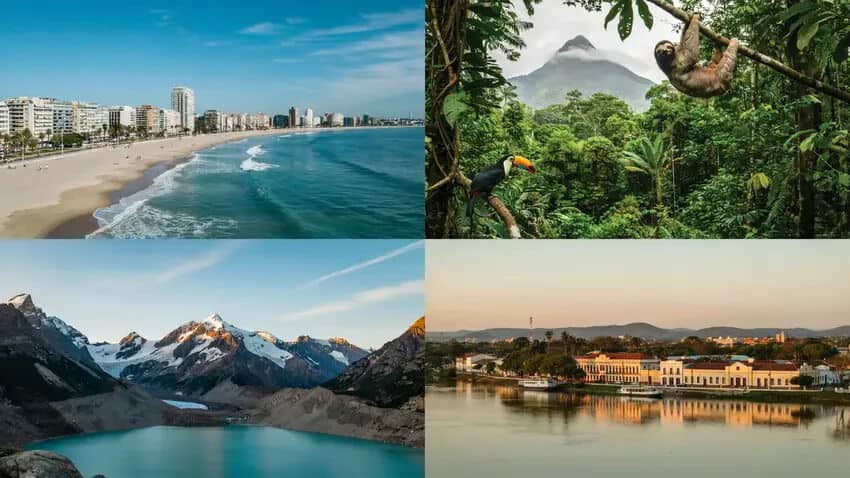
Uruguay Surpasses Costa Rica, Chile, Paraguay and More in a dramatic regional security realignment that is reshaping travel confidence across Latin America and the Caribbean, as shifting crime patterns, urban safety pressures, and risk variations highlighted in the Global Peace Index redefine how international travellers assess destinations. The latest regional assessment positions Uruguay as the most stable and predictable travel environment, supported by comparatively controlled urban centres such as Montevideo, while other key tourism destinations including Chile, Costa Rica, Paraguay, Argentina, and Jamaica continue to experience varying degrees of urban crime exposure and situational risk. This divergence in safety conditions is increasingly influencing itinerary planning, with travellers prioritising destination-level awareness, transport security, and neighbourhood-specific risk evaluation before finalising travel across the Americas.
Across Latin America and the Caribbean, a striking shift in travel safety perception has been observed as regional stability patterns continue to evolve, according to insights drawn from the Global Peace Index. In a continent long associated with contrasting levels of security, Uruguay has been positioned at the top of regional safety performance, while several neighbouring destinations have been ranked lower due to persistent urban crime pressures and variable risk environments highlighted in the index. Travellers planning multi-country itineraries across the Americas are increasingly being advised that safety conditions differ significantly between destinations, even within short geographic distances. As a result, travel behaviour is being reshaped, with greater attention being placed on urban risk zones, transport safety, and situational awareness in crowded public areas.
Advertisement
Advertisement
Uruguay Emerges as the Region’s Strongest Travel Safety Performer
A leading position has been secured by Uruguay, where overall conditions have been assessed as comparatively stable within the Latin American context. In major urban centres such as Montevideo, security conditions are generally considered more controlled than in many regional capitals, although isolated incidents of petty theft and opportunistic crime are still reported.
Tourist movement is typically concentrated in well-monitored districts, where public visibility and routine policing are more consistent. However, caution is still advised in crowded commercial areas, particularly during evening hours. Valuables are often recommended to be kept discreet, as quick theft incidents have been reported in busy pedestrian zones. Despite these considerations, Uruguay continues to be viewed as a relatively predictable destination where travel disruption linked to safety concerns remains limited compared to regional averages.
Advertisement
Advertisement
Chile Maintains Strong Position Despite Urban Crime Pressures
A relatively stable position is maintained by Chile, which continues to rank among the safer countries in the region. However, urban crime trends have been reported in major cities, particularly in densely populated districts and transport corridors.
Incidents involving theft, scams, and occasional violent encounters have been recorded in metropolitan areas. Car-related theft and property break-ins have also been noted as ongoing concerns in specific neighbourhoods. Despite these issues, tourism infrastructure remains well-developed, and major destinations continue to attract international visitors. Increased caution is generally advised in transport hubs and tourist-heavy areas where opportunistic crimes may be more likely to occur.
Advertisement
Advertisement
Costa Rica Faces Mixed Safety Conditions Amid Tourist Popularity
In Costa Rica, strong tourism demand continues to be observed due to its natural landscapes and eco-tourism appeal. However, safety conditions have been described as mixed, particularly in urban zones and certain high-traffic tourist areas.
Pickpocketing and bag-snatching incidents have been reported in crowded locations, especially near transport terminals and popular attractions. Some violent incidents have also been recorded, prompting increased caution among international visitors. Additionally, the country’s exposure to natural hazards, including heavy rainfall and seismic activity, adds another layer of risk management for travellers. Weather fluctuations between May and late autumn have been known to impact mobility and outdoor travel plans.
Paraguay Reports Moderate Safety with Urban Theft Concerns
A relatively moderate safety profile has been observed in Paraguay, where tourist-related crime remains less frequent compared to several neighbouring nations. However, precautionary measures are still recommended in urban environments.
Quick theft incidents, often involving motorcyclists targeting pedestrians, have been reported in certain areas. These incidents typically occur without warning and are concentrated in busier city corridors. As a result, visible jewellery, electronics, and high-value accessories are generally advised to be kept out of sight. Despite these concerns, overall travel disruption remains limited, and many visitors experience trouble-free stays when standard precautions are followed.
Argentina Experiences Rising Urban Security Challenges
In Argentina, a shift in safety perception has been observed due to increasing reports of urban crime. Incidents involving theft, break-ins, and street-level attacks have been reported in several metropolitan zones.
Tourist-heavy locations, transport hubs, and accommodation districts have been identified as areas where increased vigilance is required. Property-related crimes have also been noted, particularly in residential and semi-commercial districts. While the country continues to be a major cultural and tourism destination in the region, travellers are increasingly advised to adopt cautious movement patterns, especially when navigating unfamiliar urban environments.
Advertisement
Advertisement
Jamaica Balances Resort Safety with Wider Regional Risk
A dual safety profile is evident in Jamaica, where resort zones continue to provide relatively controlled environments for international visitors. Locations such as Montego Bay, Negril, and Ocho Rios remain heavily frequented and are generally considered more secure due to structured tourism oversight.
However, conditions outside designated tourist areas differ significantly. Elevated crime rates in non-tourist districts have been reported, and travellers are often advised to remain within recognised zones. In addition, natural hazards such as hurricanes and seismic activity can occasionally impact travel schedules and safety conditions. As a result, travel planning is increasingly being shaped by both environmental and security considerations.
Panama Requires Heightened Awareness in Urban and Coastal Zones
In Panama, overall safety is considered moderate, although variations exist between different regions. Panama City, particularly historic districts such as Casco Antiguo, has been associated with opportunistic crime incidents.
Tourist-heavy areas, including coastal regions and island destinations, have also reported isolated cases of theft. Night-time movement in urban environments is generally advised to be undertaken with caution, and reliance on unregulated transport options is often discouraged. While the country remains a key transit and tourism hub, situational awareness is considered essential for visitors navigating both urban and leisure destinations.
Guatemala Continues to Present Elevated Security Risks in Certain Areas
A higher-risk profile is associated with Guatemala, where incidents involving theft, assault, and occasional abduction have been reported in specific regions. Security conditions are known to vary significantly depending on location, and travellers are often advised to consult updated advisories before movement.
Organised transport services and guided travel arrangements are frequently recommended for movement across uncertain zones. While tourism remains active, particularly in cultural and heritage destinations, risk management is considered a key requirement for safe travel planning.
Advertisement
Advertisement
Trinidad and Tobago Faces Crime Concerns Despite Island Appeal
In Trinidad and Tobago, a contrasting safety environment is observed where natural island appeal is accompanied by elevated crime levels in certain districts.
Urban areas have reported incidents that require increased vigilance, particularly during night-time hours and in isolated locations. Visitors are often advised to monitor local advisories and avoid high-risk areas after dark. Although the destination remains an important cultural and business hub in the Caribbean, safety awareness is considered essential for all categories of travellers.
Dominican Republic Shows Relative Stability with Urban Precautions Required
A comparatively stable tourism environment is observed in Dominican Republic, where international arrivals continue to be strong. However, safety conditions vary depending on location, with urban centres requiring increased caution.
Incidents of petty theft have been reported in poorly lit or less populated areas, and travellers are often advised to use official transport services. ATM usage in open or exposed locations is generally discouraged, and minimising visible cash is considered a standard precaution. Despite these factors, resort regions continue to function as major tourism anchors with structured safety frameworks.
Regional Overview and Travel Behaviour Shift Across Latin America
Across the wider region, travel safety conditions have been increasingly influenced by urbanisation pressures, economic disparities, and changing crime dynamics. While several destinations continue to attract strong tourism flows, a more cautious approach to destination selection has been observed among international travellers.
Short-haul regional travel planning is now being shaped by detailed risk awareness, with emphasis placed on accommodation security, transport reliability, and neighbourhood-level safety conditions. Even within individual countries, significant variation in risk levels has been noted between tourist zones and non-tourist districts.
Advertisement
Advertisement
The overall pattern indicates a clear segmentation in travel confidence, where destinations such as Uruguay are increasingly viewed as stable entry points into the region, while other countries require more structured travel planning and situational awareness.
A restructured perception of travel safety across Latin America and the Caribbean is now being established, with Uruguay positioned at the forefront of regional stability. While countries such as Chile and Costa Rica continue to maintain strong tourism appeal, varying levels of urban risk and environmental exposure continue to influence traveller decision-making.
Uruguay Surpasses Costa Rica, Chile, Paraguay and More as Latin America’s safest travel destination because it maintains comparatively stable urban conditions, lower levels of disruptive crime, and more predictable security environments than neighbouring countries, where urban theft, transport-related risks, and location-specific safety concerns continue to affect traveller confidence and reshape regional travel patterns.
The broader region remains highly attractive for international tourism, but safety considerations are increasingly shaping itinerary design. As travel flows continue to expand, destination-specific awareness is being reinforced as a central factor in ensuring secure and informed travel experiences across the Americas.
Advertisement
