
US Leads With Mexico, Italy, Australia, Canada and Other Global Destinations to Fuel Experiential Travel and Outdoor Experiences as the Adventure Tourism Market is Set to Expand to Over Eight Hundred Forty Billion USD by 2031

Published
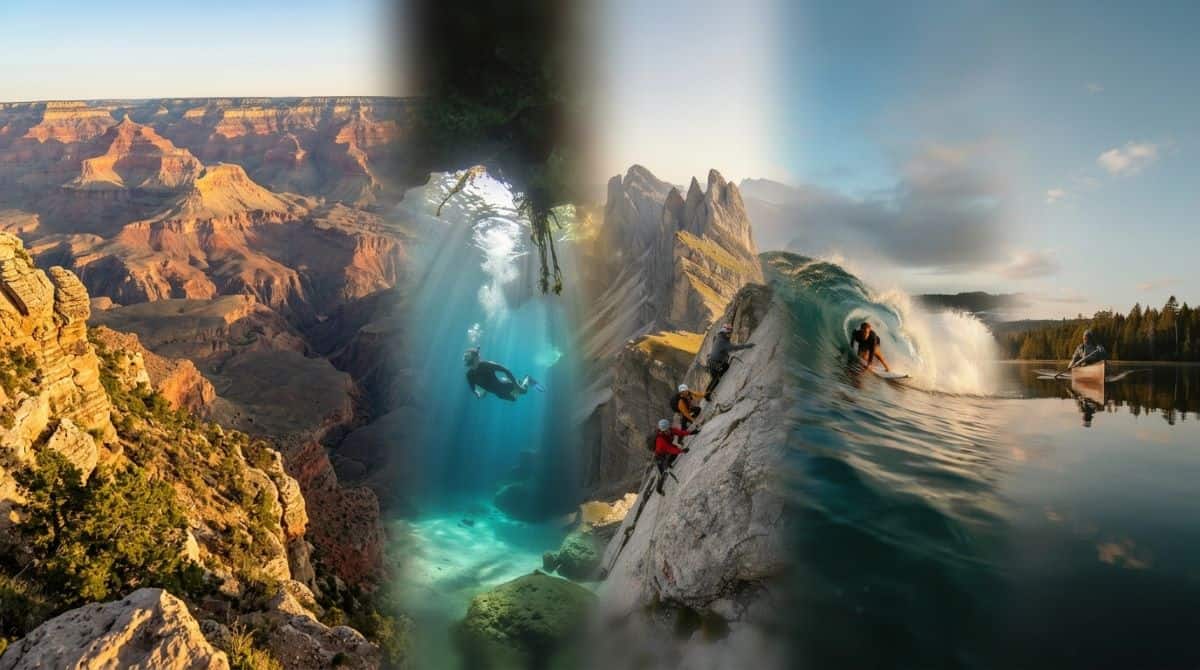
Image generated with Ai
The global adventure tourism market is set to surge dramatically, reaching approximately USD 841.7 billion by 2031, as travellers across the US, Mexico, Italy, Australia, Canada, and other major destinations increasingly shift toward experience-driven, outdoor, and nature-based travel. According to globally recognized tourism authorities including UN Tourism (UNWTO) and the World Travel & Tourism Council (WTTC), this expansion reflects a permanent transformation in global travel behaviour, where demand is rapidly moving from traditional sightseeing holidays to immersive activities such as hiking, wildlife safaris, cycling tours, marine exploration, and cultural adventure experiences.
This global growth is being driven by the rise of the experience economy, increased sustainability awareness, and the rapid expansion of digital travel platforms enabling personalised adventure bookings at scale.
Advertisement
Advertisement
This article analyzes the global expansion of the adventure tourism market, the dominance of key destinations such as the US, Mexico, Italy, Australia, and Canada, and the rising impact of soft and hard adventure segments, alongside sustainability trends and digital transformation shaping the future of global tourism.
A Deep Structural Shift to Experiential Travel and Outdoor Experiences
The global travel industry is undergoing a deep structural shift as travellers steadily move away from traditional sightseeing holidays and toward immersive, activity-driven journeys. International tourism outlook frameworks aligned with UN Tourism (UNWTO) and the World Travel & Tourism Council (WTTC) indicate that adventure tourism is becoming one of the fastest-expanding segments of global travel, with projections placing the market at about USD 841.7 billion by 2031.
Advertisement
Advertisement
This is not a short-term spike. It reflects a long-term behavioural transformation where travel value is increasingly defined by experiences, participation, and nature-based exploration, rather than passive leisure.
Key global shift indicators include:
Advertisement
Advertisement
- Rising demand for outdoor and nature-based tourism
- Strong growth in wellness-driven travel
- Increasing preference for immersive cultural experiences
- Expansion of eco-tourism and sustainable travel models
Countries such as the United States, Mexico, Italy, Australia, and Canada are now central to this transition due to their strong tourism infrastructure and extensive natural landscapes.
“As global travellers continue to redefine what meaningful travel looks like, adventure destinations are no longer niche offerings, they are central to tourism growth strategies worldwide,” says Anup Kumar Keshan, Founder and Editor-In-Chief of Travel And Tour World
Advertisement
Advertisement
A Global Shift From Sightseeing Holidays to Experience-Led Travel
Tourism demand is being reshaped by what industry experts call the “experience economy.” Travellers are no longer satisfied with passive vacations focused only on landmarks. Instead, they want journeys that combine activity, emotion, and cultural immersion.
Government tourism data across multiple regions confirms strong growth in:
- Hiking and trekking tourism
- Wildlife and safari experiences
- Cycling and road-based exploration
- Marine and water adventure activities
- Cultural immersion travel
This shift is turning tourism into a more active and participatory global industry, where destinations compete based on the quality of experiences they offer.
US Leads Global Adventure Tourism Demand
The United States remains one of the most influential markets in global adventure tourism. According to data from the U.S. National Park Service (NPS), national parks and protected wilderness areas attract hundreds of millions of visits annually, supporting a multi-billion-dollar outdoor recreation economy. Moab in US secures the top rank as TTW Reveals the Top 50 Adventure Travel Destinations of the World for 2026, with its global desert adventure hub known for off-roading, slickrock biking, canyon hiking, and Colorado River rafting within Arches and Canyonlands National Parks.
Advertisement
Advertisement
Key drivers of US adventure tourism:
- Extensive national park network (Yellowstone, Yosemite, Grand Canyon)
- Strong road-trip and domestic travel culture
- High participation in outdoor recreation activities
- Advanced tourism infrastructure and accessibility
Popular activities include hiking, rafting, skiing, camping, and desert exploration, making the US a global benchmark for outdoor travel experiences.
| Category | Key Information |
|---|---|
| Market Role | Global leader in adventure tourism demand |
| Core Drivers | National parks, road trips, outdoor recreation culture |
| Key Destinations | Yellowstone, Yosemite, Grand Canyon, Alaska wilderness |
| Main Activities | Hiking, rafting, skiing, camping, desert exploration |
| Institutional Support | U.S. National Park Service (NPS), federal recreation systems |
| Market Strength | One of the largest outdoor recreation economies globally |
| Tourism Model | Domestic + inbound experiential travel |
| Key Trend | Strong shift toward nature-based wellness tourism |
Mexico Strengthens Position in Cultural and Coastal Adventure Tourism
Mexico is rapidly expanding its adventure tourism profile, supported by the Mexican Ministry of Tourism (SECTUR). The country combines cultural heritage with diverse ecosystems, making it highly attractive for experiential travel.
Key adventure tourism zones:
- Yucatán Peninsula (cenotes, diving, jungle exploration)
- Baja California (marine adventures, coastal tourism)
- Chiapas (rainforests, archaeological exploration)
Growth drivers:
- Eco-tourism expansion policies
- Cultural heritage integration
- Strong coastal and marine tourism development
- Increasing international visitor demand
Mexico is positioning itself as a hybrid destination combining culture and adventure.
| Category | Key Information |
|---|---|
| Market Role | Rising cultural + coastal adventure hub |
| Core Drivers | Eco-tourism policies, cultural heritage integration |
| Key Destinations | Yucatán Peninsula, Baja California, Chiapas |
| Main Activities | Cenote diving, jungle trekking, volcano exploration, marine tourism |
| Institutional Support | Mexico Ministry of Tourism (SECTUR) |
| Market Strength | Strong mix of culture + nature-based tourism |
| Tourism Model | Heritage + adventure hybrid tourism |
| Key Trend | Growth in sustainable coastal and eco-adventure travel |
Italy Expands From Heritage Tourism to Active Outdoor Travel
Italy is evolving beyond traditional cultural tourism into a strong active travel destination. According to the Italian National Tourism Board (ENIT), demand for outdoor and nature-based experiences is rising steadily.
Growing adventure experiences in Italy:
- Hiking in the Dolomites
- Cycling routes across Tuscany
- Coastal trekking along the Amalfi Coast
- Alpine climbing and mountain exploration
This shift reflects a broader trend where travellers extend visits beyond cities like Rome, Venice, and Florence into regional and natural landscapes.
| Category | Key Information |
|---|---|
| Market Role | Heritage destination evolving into active travel hub |
| Core Drivers | Alpine tourism, regional outdoor mobility, cultural landscapes |
| Key Destinations | Dolomites, Tuscany countryside, Amalfi Coast |
| Main Activities | Hiking, cycling, mountain climbing, coastal trekking |
| Institutional Support | Italian National Tourism Board (ENIT) |
| Market Strength | Strong cultural + natural tourism integration |
| Tourism Model | Heritage tourism expanding into experiential travel |
| Key Trend | Shift from city tourism to regional adventure circuits |
Australia Builds Strong Nature-Based Adventure Tourism Identity
Australia remains a leading global destination for nature and outdoor adventure tourism, supported by Tourism Australia and state-level agencies.
Advertisement
Advertisement
Core adventure attractions:
- Great Barrier Reef diving and marine exploration
- Outback expeditions and desert tourism
- National park hiking and wildlife safaris
- Surfing and coastal adventure sports
Key strengths:
- Unique biodiversity
- Strong environmental protection systems
- Well-developed tourism infrastructure
- High global accessibility
Australia continues to attract long-haul travellers seeking immersive natural experiences.
| Category | Key Information |
|---|---|
| Market Role | Leading global nature-based adventure destination |
| Core Drivers | Unique biodiversity, marine ecosystems, protected landscapes |
| Key Destinations | Great Barrier Reef, Outback, national parks |
| Main Activities | Diving, surfing, hiking, wildlife safaris |
| Institutional Support | Tourism Australia, state tourism bodies |
| Market Strength | High-value long-haul tourism destination |
| Tourism Model | Eco-adventure + marine tourism |
| Key Trend | Sustainable adventure tourism with strict conservation focus |
Canada Reinforces Wilderness and Eco-Adventure Leadership
Canada is globally recognised for its vast wilderness and outdoor recreation economy, supported by Destination Canada and provincial tourism bodies.
Major adventure regions:
- British Columbia (mountains, forests, lakes)
- Alberta (Rocky Mountains, Banff, Jasper)
- Quebec (cultural and nature tourism blend)
Popular activities:
- Glacier hiking
- Canoeing and kayaking
- Skiing and winter sports
- Wildlife viewing and eco-tourism
Canada’s integration of Indigenous tourism experiences adds cultural depth to its adventure tourism offering.
| Category | Key Information |
|---|---|
| Market Role | Global wilderness and eco-adventure powerhouse |
| Core Drivers | Vast geography, low-density natural environments |
| Key Destinations | Banff, Jasper, British Columbia, Quebec regions |
| Main Activities | Glacier hiking, canoeing, skiing, wildlife viewing |
| Institutional Support | Destination Canada, provincial tourism boards |
| Market Strength | Strong year-round adventure tourism economy |
| Tourism Model | Wilderness + Indigenous tourism integration |
| Key Trend | Growth in remote, nature-intensive travel experiences |
Global Expansion of Adventure Tourism Beyond Major Markets
Adventure tourism is expanding rapidly across emerging and established destinations worldwide.
Asia-Pacific growth hotspots:
- Nepal (Himalayan trekking)
- India (mountain and cultural adventure routes)
- Indonesia (island and marine tourism)
- Philippines (diving and coastal exploration)
Europe’s adventure leaders:
- Switzerland (alpine tourism)
- Norway (fjord exploration)
- Iceland (glacier and volcanic tourism)
Latin America growth regions:
- Peru (Machu Picchu trekking routes)
- Chile (Patagonia expeditions)
- Costa Rica (rainforest biodiversity tourism)
Africa’s adventure tourism hubs:
- Kenya and Tanzania (safari tourism)
- South Africa (wildlife and coastal adventure travel)
These regions are strengthening their positions in global tourism flows through nature-driven experiences.
Soft Adventure Dominates Global Tourism Demand
Soft adventure represents the largest segment of global adventure tourism due to its accessibility and broad appeal.
Advertisement
Advertisement
Key soft adventure activities:
- Hiking and trekking
- Cycling tours
- Kayaking and rafting
- Wildlife safaris
- Cultural immersion experiences
Why it dominates:
- Suitable for all age groups
- Lower physical risk
- High environmental compatibility
- Strong government tourism support
Soft adventure continues to anchor global tourism growth.
Hard Adventure Tourism Expands Among Younger Travellers
Hard adventure tourism is growing rapidly, especially among Gen Z and millennials seeking high-intensity experiences.
Popular hard adventure activities:
- Skydiving
- Mountain climbing
- Deep-sea diving
- Paragliding
Growth drivers:
- Social media influence
- Demand for unique travel experiences
- Rising adventure sports infrastructure
- Increased certification and safety regulation
While smaller in size, this segment is growing faster than traditional tourism categories.
Sustainability and Digital Platforms Reshape Adventure Tourism
Sustainability is now central to global tourism policy, supported by UN Tourism and environmental agencies such as UNEP.
Key sustainability trends:
- Eco-tourism development
- Conservation-based travel models
- Community-led tourism initiatives
- Low-impact travel policies
At the same time, digital transformation is reshaping booking behaviour:
- Mobile-first travel planning
- AI-powered itinerary tools
- Real-time pricing comparison
- Global access to adventure travel platforms
This combination is making adventure tourism more accessible and environmentally aligned.
Advertisement
Advertisement
Long-Term Outlook: Adventure Tourism Becomes a Core Global Travel Pillar
The global adventure tourism sector is expected to maintain strong growth through 2031, supported by rising international connectivity, government tourism investment, and expanding middle-class travel demand.
Key growth enablers:
- Expansion of airline networks to remote regions
- Strong public tourism infrastructure investment
- Growth of curated adventure travel operators
- Rising Gen Z and millennial participation
Adventure tourism is no longer a niche category. It is now a core pillar of the global travel economy, shaping how destinations compete and how travellers define value.
In conclusion, US joins Mexico, Italy, Australia, Canada and other global destinations to fuel experiential travel and outdoor experiences as the adventure tourism market is set to expand to over USD 841.7 billion by 2031, confirming a powerful global shift toward experience-centric travel. Driven by rising demand for outdoor exploration, immersive journeys, and sustainable tourism, this growth reflects a long-term transformation in global travel behaviour. Supported by insights from UN Tourism (UNWTO) and the World Travel & Tourism Council (WTTC), adventure tourism is now a core pillar of the global travel economy, redefining how the world travels.
Advertisement
