Image generated with Ai
Africa’s economic woes deepen as soaring oil prices pose new problems to fuel importing countries. Africa now finds itself in new economic problems brought about by rising global oil prices. Kenya, South Africa, among other African economies, now find themselves facing higher transportation costs and inflation risks as a result of high crude oil prices.
The oil increase has created a major divide across the continent. While oil-producing nations may benefit from stronger export revenues, countries dependent on imported fuel are facing higher energy bills, weaker consumer spending and additional pressure on economic growth.
Advertisement
For tourism-dependent economies, the impact is becoming increasingly visible. Higher fuel prices are increasing safari costs, domestic travel expenses, airline operating costs and hospitality expenses. Kenya and other African destinations now face a difficult balance between protecting economic growth and managing rising energy costs.
The latest oil-price movement has exposed Africa’s dependence on international energy markets. Many countries across the continent import refined petroleum products because domestic refining capacity remains limited.
Advertisement
Advertisement
A rise of around 15% in fuel costs has created wider economic challenges because oil affects almost every sector. Transport, agriculture, manufacturing, aviation and tourism all depend heavily on affordable fuel.
| Country | Oil Price Challenge | Economic Impact | Tourism Impact |
|---|---|---|---|
| Kenya | Around 15% fuel price pressure | Inflation, transport costs, import bill increase | Higher safari and travel costs |
| South Africa | Rising crude and fuel costs | Inflation risks, logistics pressure | Higher aviation and tourism operating costs |
| Tanzania | Imported fuel dependence | Higher transport and business expenses | Increased safari costs |
| Uganda | Landlocked fuel dependency | Expensive fuel transportation | Higher visitor movement costs |
| Ghana | Imported refined fuel pressure | Currency and inflation challenges | Higher hospitality expenses |
| Egypt | Energy import pressure | Government budget strain | Aviation and hotel costs increase |
| Zimbabwe | Fuel import dependence | Higher consumer prices | Domestic travel becomes expensive |
| Mauritius | Imported energy dependence | Electricity and fuel cost pressure | Island tourism costs rise |
| Namibia | Petroleum import reliance | Mining and transport pressure | Higher tourism operations costs |
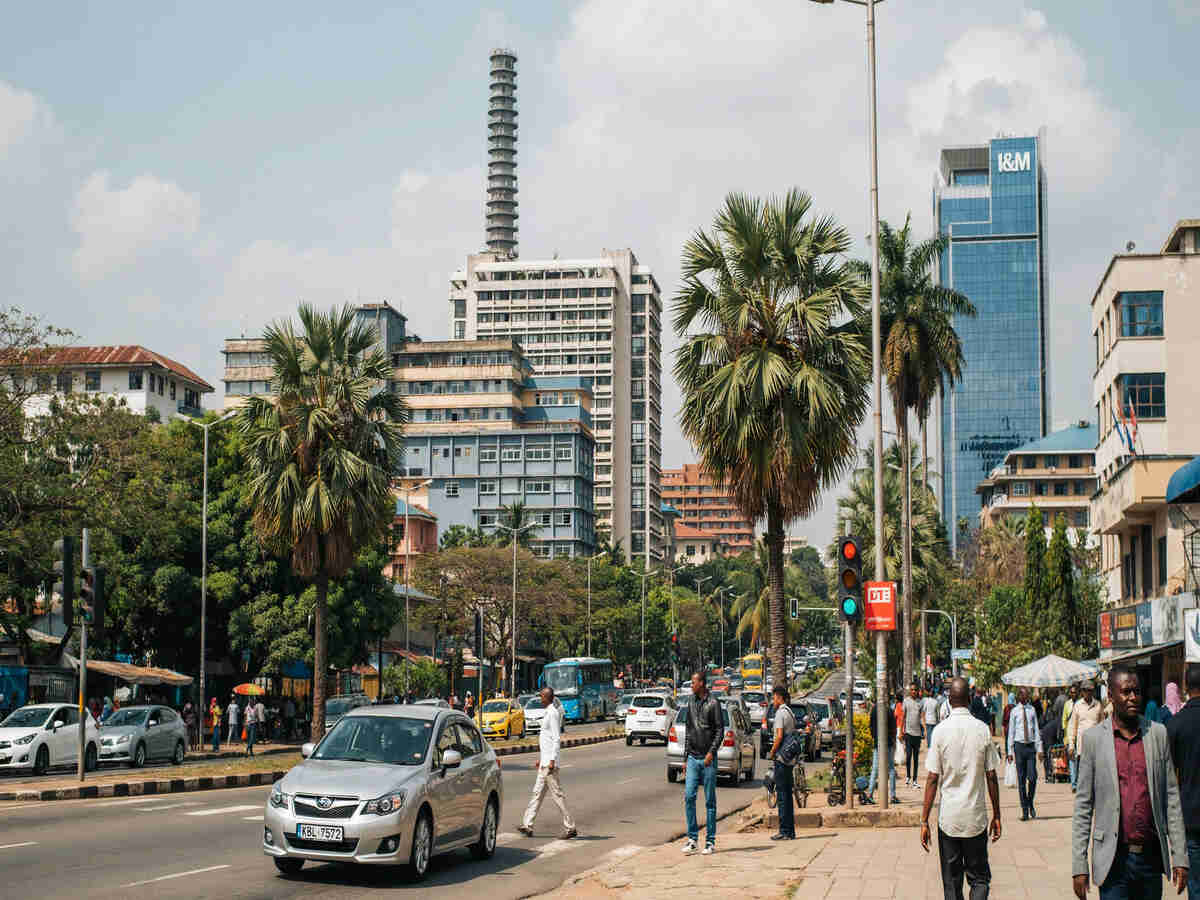
Kenya has emerged as one of the African countries most exposed to rising oil prices because the country depends heavily on imported petroleum products.
The increase in global crude prices has affected Kenya through several channels. Higher import costs have increased pressure on fuel pricing, while businesses and consumers are facing rising transportation expenses.
Fuel is essential for Kenya’s economy. Diesel powers trucks, agriculture machinery, construction equipment and public transport vehicles. When diesel prices increase, the cost of moving goods also rises.
Advertisement
Advertisement
This creates a chain reaction:
Kenya’s tourism sector is also exposed. Safari tourism depends heavily on fuel-powered vehicles travelling long distances across national parks and conservation areas.
Destinations such as Maasai Mara, Amboseli and Tsavo could face increased operational costs as tour operators spend more on fuel.
For international visitors, higher operating expenses could eventually influence package prices, affecting Kenya’s competitiveness as a major African tourism destination.
South Africa faces a different challenge because it has a larger and more diversified economy, but it remains vulnerable to global oil movements.
Higher oil prices have increased pressure on the rand and raised concerns about inflation. Fuel costs directly influence logistics, mining, manufacturing and consumer prices.
South Africa’s transport network depends heavily on diesel. Higher fuel expenses affect:
The tourism industry is also exposed.
Higher aviation fuel costs can increase long-haul travel expenses, while domestic tourism faces rising road travel costs.
South Africa’s wildlife tourism sector could experience additional pressure because safari operators rely on fuel-intensive vehicles.
The country’s energy sector has also experienced mixed effects. While higher oil prices can support energy companies, consumers and businesses face increased operating costs.
Tanzania is another major tourism economy affected by higher oil prices.
The country’s famous attractions, including Serengeti National Park, Ngorongoro Crater and Mount Kilimanjaro, depend on reliable transport networks.
Fuel price increases affect:
Higher operating costs could push tourism companies to increase package prices.
For Tanzania, the challenge is protecting tourism growth while maintaining affordability for international visitors.
Uganda faces additional pressure because it is landlocked and depends on regional fuel supply routes.
Imported fuel must travel long distances before reaching consumers.
This creates additional costs from:
Higher fuel prices affect Uganda’s economy through increased costs for agriculture, manufacturing and public transport.
Tourism operators visiting destinations such as Bwindi Impenetrable Forest and Queen Elizabeth National Park also face higher vehicle operating expenses.
Ghana produces crude oil but still depends heavily on imported refined petroleum products.
This creates vulnerability when international fuel prices rise.
The main challenges include:
Tourism businesses, including hotels, restaurants and transport operators, face higher energy costs.
The country’s efforts to expand tourism could face additional challenges if travel expenses continue increasing.
Egypt’s economy is closely connected to tourism, making fuel prices especially important.
Higher oil prices affect:
Popular destinations such as Cairo, Luxor, Sharm El Sheikh and Hurghada depend on affordable transportation.
Higher energy costs could create pressure on tourism operators already managing global travel competition.
Zimbabwe remains highly exposed because of its dependence on imported fuel.
Higher oil prices create pressure through:
The tourism sector, including trips to Victoria Falls and national parks, could face higher operating expenses.
Mauritius faces unique challenges because island economies depend heavily on imported energy.
Higher oil prices influence:
Tourism remains the backbone of Mauritius’ economy, meaning higher energy costs can directly affect visitor experiences and business profitability.
Namibia’s mining, transport and tourism industries are sensitive to fuel costs.
Higher oil prices increase expenses for:
Tour operators operating across Namibia’s remote landscapes may face higher fuel bills.
The oil-price increase creates different outcomes across Africa.
Oil-producing countries such as Nigeria and Angola may benefit from stronger export earnings, while import-dependent economies face greater financial pressure.
However, even producers can experience domestic fuel challenges because refined fuel availability remains a separate issue.
The oil increase creates wider risks for Africa’s economic growth.
The biggest challenges include:Sector Impact Tourism Higher travel packages and operating costs Aviation Increased jet fuel expenses Transport Higher passenger and freight costs Agriculture Expensive machinery and distribution Manufacturing Increased production costs Consumers Reduced spending power
For countries such as Kenya, South Africa and Tanzania, tourism remains a critical economic driver. Rising oil prices threaten to slow recovery by increasing costs across the entire travel ecosystem.
The 15% oil jump has highlighted Africa’s continuing vulnerability to global energy disruptions. Kenya, South Africa and other tourism-dependent economies must now manage rising fuel costs while protecting economic growth.
The biggest challenge is not only the price of oil itself but Africa’s dependence on imported fuel, limited refining capacity and exposure to international supply disruptions.
As oil markets remain uncertain, African governments and tourism businesses will need to adapt through energy diversification, improved transport efficiency and stronger domestic supply systems.
Advertisement
Advertisement
Advertisement













Friday, September 4, 2026

Friday, September 4, 2026

Friday, September 4, 2026

Thursday, September 3, 2026

Wednesday, September 2, 2026

Friday, September 4, 2026
Friday, September 4, 2026