
Seychelles Brings a New Taste of Italy to Its Beautiful Indian Ocean Escape

Published
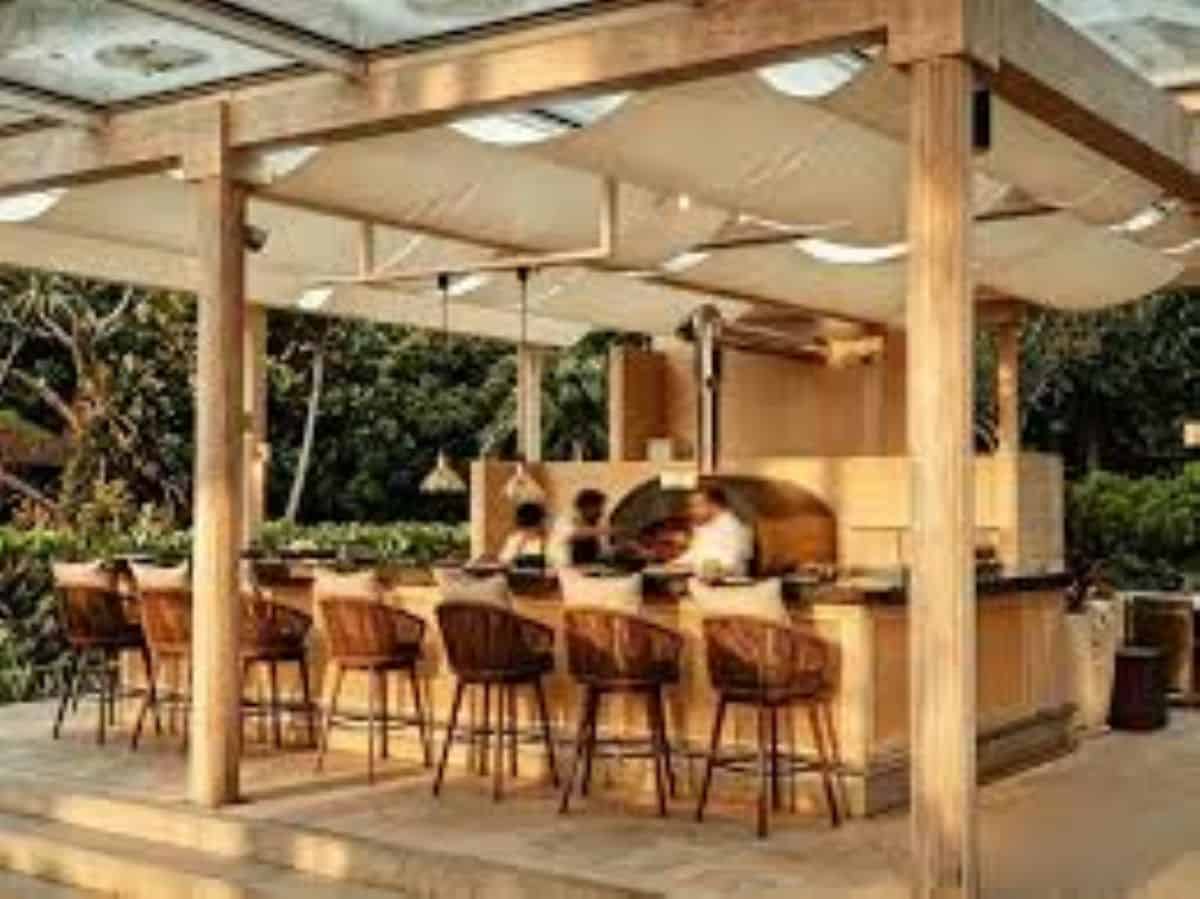
Il Forno is a restaurant situated on the shores of Petite Anse, Mahe that offers Seychelles the new experience of Italian cuisine. Notably, this establishment is introducing the technique of wood fired cooking as well as handmade pizza in the destination. Furthermore, this is adding one more reason for tourists to visit the Seychelles other than the beaches and the sea activities. In addition, the establishment demonstrates the importance of cuisine in luxury tourism. Seychelles continues to be the country with the highest GDP per capita in the whole of Africa. Nevertheless, this does not connect with the establishment in question.
Seychelles Adds a New Beachfront Restaurant for 2026
Seychelles has placed a new dining experience at the centre of its luxury travel offer. Four Seasons Resort Seychelles announced the opening of Il Forno on 4 June 2026. The restaurant sits at Petite Anse on Mahé. It faces the sea. It brings Italian cooking to a famous island setting.
Advertisement
Advertisement
Il Forno is built around a simple idea. Guests can enjoy food cooked in an oven beside the beach. The restaurant focuses on Neapolitan flavours. It serves wood-fired dishes. It makes handcrafted pizzas. It also gives visitors an open kitchen, where chefs prepare food in full view.
This matters for travellers. Seychelles is widely known for beaches, blue water, island stays and marine life. A new restaurant adds another reason to spend time at the resort. It gives guests a lunch option after swimming, snorkelling or walking on the sand. It also creates a more complete holiday experience.
Advertisement
Advertisement
The restaurant serves Neapolitan-style sourdough pizzas made with dough fermented for 48 hours. Its menu also includes oven-grilled prawns, baked pasta, burrata dishes, flatbreads and desserts. The operator has said Il Forno is open daily for lunch from noon to 3 pm.
Advertisement
Advertisement
The launch is a clear example of a new restaurant opening in the first seven months of 2026. It is not a national count of restaurant growth across Seychelles. It is one verified opening at one resort. That distinction matters when reporting on food tourism.
Why Food Is Becoming a Stronger Travel Draw in Seychelles
Travel has changed. Visitors still book Seychelles for its natural beauty. But many also want more from a holiday. They want local ingredients. They want memorable meals. They want to see where food comes from. They want a restaurant with a story.
Il Forno offers a form of dining that is easy to understand. It combines Italian pizza traditions with a beach setting in Seychelles. This can appeal to families, couples and groups. It can also suit guests who want a relaxed meal during the day.
The experience is not based only on food. It uses place. The sound of the sea, the open kitchen and the view of Petite Anse all form part of the visit. This is common in luxury travel. Resorts now try to make each meal feel like an activity.
Seychelles has a small population and a remote location. Its economy relies heavily on tourism, fisheries and related activities. This means visitor experiences carry real importance. Hotels, marine excursions, island transport, food, wellness and culture all support the wider tourism offer.
Advertisement
Advertisement
A new restaurant cannot prove higher visitor spending by itself. No official source examined gives a figure for the money generated by Il Forno. Yet it can help a resort give travellers more choices. It can make a stay feel richer. It can encourage guests to dine on site. It can also give travel companies and agents something new to include in holiday planning.
Seychelles Is Africa’s Richest Country by GDP Per Capita but the Meaning Needs Care
Seychelles is often called Africa’s richest country. This needs a clear explanation. The World Bank describes Seychelles as having Africa’s highest GDP per capita and highest GNI per capita. GDP per capita means a country’s economic output divided by its population. GNI per capita measures income linked to the country and its people.
These measures do not mean every person has the same level of wealth. They also do not mean the country has the largest economy in Africa. A larger country may produce more total goods and services because it has far more people.
Seychelles has a very small population. This can make per-person measures higher than in larger African countries. The country’s economy also has a strong tourism sector. Visitors spend on hotels, restaurants, transport, experiences and services. Fisheries also remain important.
The World Bank estimates that Seychelles’ economy grew strongly in 2025, helped by record tourism earnings and a rise in visitor arrivals. It also warns that the country remains exposed to outside risks. Changes in global travel, food prices, fuel costs and climate events can affect island economies quickly.
Advertisement
Advertisement
This is why headlines need care. It is fair to say Seychelles is Africa’s richest country by GDP per capita when that is the measure being used. It is not accurate to say that a restaurant opening made Seychelles richer or that the country became richest within seven months because of food tourism.
Morocco Creates a Major New Dining Moment in Rabat Salé
Morocco is the clearest other African country in this research with a major new dining development during 2026. Hilton announced the opening of Waldorf Astoria Rabat Salé in spring 2026. The property occupies the Mohammed VI Tower, Morocco’s tallest building.
The hotel gives Rabat and Salé a new luxury hospitality landmark. It also adds several dining experiences. These include Aldabaran, the signature restaurant associated with chef Alain Ducasse, and Brasserie Magnolia. Peacock Alley adds another space for coffee, afternoon tea and drinks.
Aldabaran gives travellers a high-end dining option in Morocco’s capital area. The restaurant serves refined dishes using seasonal ingredients. Brasserie Magnolia offers Mediterranean flavours with Moroccan and Levant influences. The mix reflects the country’s location between Africa, Europe and the Arab world.
Hilton said the 55-room hotel has five dining experiences. However, the operator’s launch information also describes The Sapphire Room and Après as upcoming at the time of the announcement. This means they should not all be reported as already open on the launch day.
Advertisement
Advertisement
The development matters for travel because Rabat has often stood behind Marrakech, Fez and Agadir in international tourism attention. The new hotel gives the capital region a stronger luxury product. It is close to cultural sites, historic areas and transport links. It adds a new reason for visitors to include Rabat and Salé in a Moroccan itinerary.
Morocco Uses Food and Hotels to Build Travel Interest Beyond Marrakech
Morocco has a deep food identity. Travellers already know its tagines, couscous, seafood, mint tea, pastries and spice markets. New restaurants inside luxury hotels do not replace this heritage. They add another layer.
The Waldorf Astoria opening shows how international hotel brands are entering or expanding in Moroccan cities. Hilton said it plans to more than double its portfolio in Morocco, with 15 new hotels planned across the country. The company also said it expects the expansion to create more than 2,000 local job opportunities.
For visitors, this can mean more hotel choices. It can mean more restaurants. It can mean more spaces for business events, luxury stays and city breaks. For a destination, it can help bring attention to areas outside the best-known tourist routes.
Still, planned hotels are not open hotels. Future restaurant projects are not current restaurants. This is an important difference. A travel report should separate what is operating now from what is expected later.
Advertisement
Advertisement
Morocco is not presented in this research as Africa’s richest country. Its food and hotel growth is part of a tourism story. Its national economic position requires separate measures and separate data.
Mauritius Shows How a Seven Month Hotel Project Can Transform Dining
Mauritius offers a different but important example. The country did not have a verified January-to-July 2026 restaurant opening in the research used here. Instead, it had a large resort transformation completed in 2025 after a seven-month enhancement project.
Four Seasons Resort Mauritius at Anahita reopened on 1 November 2025 after the work. The project refreshed villas, wellness facilities and dining experiences. It created a new culinary story for travellers who visited after the reopening.
The dining collection includes several redesigned concepts. Angara focuses on Indian tandoor dishes. Awase brings Japanese and pan-Asian cooking. Radici offers Italian food. Chaloupe draws from Mediterranean and French Riviera flavours. Ti Pwason focuses on seafood by the beach. The property also includes Blu’Zil and the Rum Library.
This is a useful travel story. But it needs the right wording. The project involved redesigned and reconceived venues. It should not automatically be called seven or more entirely new restaurant businesses. The source describes a refreshed dining collection within a resort that reopened in 2025.
Advertisement
Advertisement
Mauritius is also a key economic comparison. The World Bank describes the country as an upper-middle-income economy with tourism, manufacturing, information technology and financial services among its important sectors. It also describes Mauritius as the second-highest GNI-per-capita economy in sub-Saharan Africa.
That wording must stay precise. It is a GNI-per-capita statement for sub-Saharan Africa. It is not the same as a 2026 ranking of all African countries by GDP per capita.
South Africa Brings a Fresh Dining Experience to Johannesburg
South Africa gives another view of how food is being used in hospitality. Four Seasons Hotel The Westcliff Johannesburg introduced a Champagne Afternoon Tea Experience in July 2026. The offering moved into the hotel’s Lobby Lounge & Bar.
The event brought a refreshed menu, live music on weekends and a new setting for a long-running tradition. Guests could enjoy scones, savoury dishes, pastries and Champagne. The menu also used local flavour ideas, including rooibos tea.
This is a fresh food experience for 2026. But it is not the same as a new restaurant opening. The Lobby Lounge & Bar itself officially opened in December 2025. It has all-day dining, drinks and a social setting for both hotel guests and local visitors.
Advertisement
Advertisement
South Africa has one of Africa’s largest and most diverse economies. The World Bank describes it as the continent’s second-largest economy, with activity across mining, agriculture, manufacturing and services. Yet the country also faces high unemployment, inequality and weak growth.
This makes a broader point. Luxury food venues can be valuable for tourism. They can support hotels, events and city travel. But they do not tell the full story of life across a country.
Tunisia Turns a Short Culinary Residency Into a Travel Event
Tunisia offers a final example. Four Seasons Hotel Tunis hosted Sea Fu Nights at BLU Seafood Kitchen & Bar from 22 to 28 June 2026. The event brought Chef Tej from Sea Fu Dubai to Tunis for one week.
The visiting chef created an Asian-fusion menu for the hotel’s existing coastal restaurant. The programme gave local diners and travellers a limited-time experience. It also showed how hotels can use food events to create urgency. Guests had only seven evenings to take part.
This is a culinary tourism story. It is not evidence of a new permanent Sea Fu restaurant in Tunisia. The event was a temporary residency at BLU Seafood Kitchen & Bar.
Advertisement
Advertisement
Short events can still be important. They can attract local attention. They can give visitors a reason to book a table. They can help hotels market a summer stay. They can also connect one city with another through chefs, dishes and food traditions.
For travel editors, this means the language must remain accurate. “Culinary residency” and “temporary dining event” are stronger and more truthful than calling it a restaurant launch.
The Real Story Is How Food Is Changing African Travel
New opportunities for tourists to enjoy fresh food will be found through new beach front restaurants in Seychelles in 2026. Opening of a new Italian wood-fired restaurant named Il Forno at Petite Anse is an example of this. At the same time, food is becoming more significant in luxury holidays in Africa. Morocco has introduced gourmet cuisine in Rabat Salé, and Mauritius has refurbished resort restaurants. Afternoon tea has been renewed in Johannesburg, and a brief seafood dining event has taken place in Tunis. Nevertheless, each innovation is unique. A new restaurant, renovation of an existing establishment, and a special dining event have nothing to do with each other.
Advertisement
