
Nigeria Travel Soars As Airline Capacity Climbs Thirty Seven Percent With Lagos Driving Africas Aviation Growth

Published
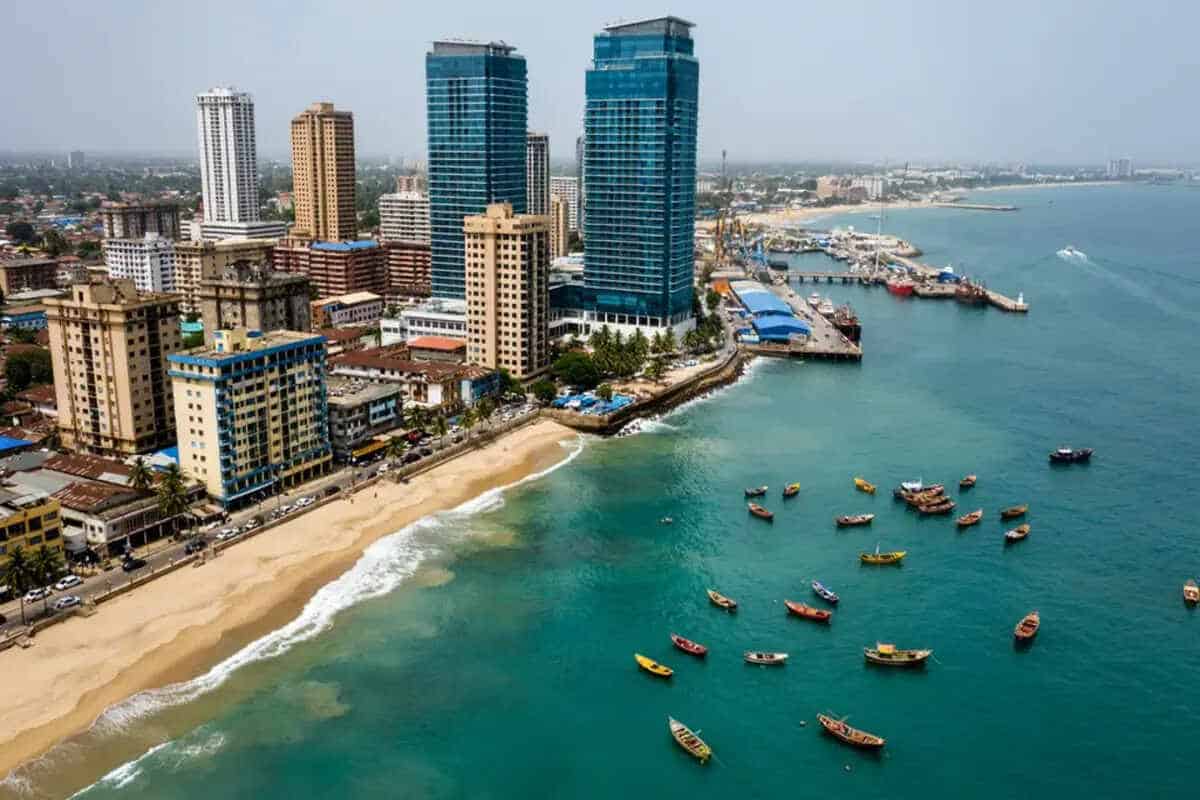
Nigeria Travel is reaching new heights as airline capacity climbs 37%, driven by strong domestic demand, expanding carrier networks and rising confidence in the country’s aviation market. Lagos is at the centre of this transformation, emerging as one of Africa’s fastest-growing airport hubs with significant increases in scheduled seats. The rapid expansion is being supported by airline investments, Air Peace’s capacity growth and stronger regional connectivity, positioning Nigeria as one of the continent’s most dynamic aviation markets. With improved air links and growing passenger demand, Nigeria’s aviation surge is creating new opportunities for tourism, business travel and economic development across Africa.
Nigeria’s aviation sector is experiencing a major expansion phase, with airline capacity growing faster than any other major African market as domestic demand, airline investment and stronger connectivity reshape the country’s travel landscape.
The West African nation has added more than 322,000 scheduled airline seats in just one year, pushing total departing capacity to approximately 1.19 million seats in September 2026. The rapid rise highlights Nigeria’s growing importance as a regional aviation powerhouse and signals increasing confidence from airlines operating across Africa.
Nigeria Records Fastest Aviation Growth Among Africas Top Markets
Nigeria has emerged as the fastest-growing aviation market among Africa’s ten largest countries, recording a 37.4% increase in scheduled airline capacity compared with September 2025.
Advertisement
Advertisement
The country’s departing seat capacity increased from around 864,100 seats last year to nearly 1.19 million seats this year, according to OAG aviation data.
Although Egypt remains Africa’s largest aviation market with approximately 3.08 million scheduled seats, Nigeria’s growth rate has significantly exceeded that of other leading markets. The country has added around 322,800 seats within twelve months, strengthening its position as one of Africa’s most rapidly expanding aviation economies.
Advertisement
Advertisement
This growth reflects rising passenger demand, expanding airline networks and improved confidence in Nigeria’s aviation potential.
Domestic Aviation Expansion Drives Passenger Connectivity
Nigeria’s domestic aviation sector has become the main force behind the country’s impressive capacity increase.
Domestic departing seats have grown by approximately 44.8% year-on-year, reaching nearly 877,000 seats in September 2026. This represents an additional 271,400 domestic seats compared with the same period last year.
The surge demonstrates increasing demand for domestic air travel as passengers seek faster connections between Nigeria’s major cities.
Lagos, Abuja, Port Harcourt and other commercial centres are benefiting from stronger flight networks, helping support business travel, tourism development and regional economic activity.
The expansion of domestic routes is also reducing pressure on road transportation while improving accessibility across one of Africa’s most populated nations.
Advertisement
Advertisement
Air Peace Becomes Key Driver Of Nigerias Airline Growth
A major contributor to Nigeria’s aviation expansion is national carrier Air Peace, which has recorded one of the strongest capacity increases among Africa’s leading airlines.
Air Peace increased its scheduled capacity from 229,412 seats in September 2025 to 354,804 seats in September 2026, representing a 54.7% year-on-year rise.
The significant increase has helped the airline return to Africa’s top ten carriers by scheduled capacity.
The airline’s growth reflects its strategy of expanding operations, strengthening domestic connectivity and increasing regional reach. Fleet development and network expansion have enabled Air Peace to capture growing passenger demand while supporting Nigeria’s wider aviation ambitions.
The carrier’s progress also highlights the increasing role of African airlines in driving connectivity within the continent.
Lagos Airport Leads Growth Among Africas Major Aviation Hubs
Nigeria’s aviation boom is strongly visible at Lagos’ Murtala Muhammed International Airport, which has become the fastest-growing major airport among Africa’s ten largest airports.
Advertisement
Advertisement
The airport currently handles around 470,000 scheduled seats, marking a 24.1% increase compared with September 2025.
While Cairo continues to dominate as Africa’s largest airport market with approximately 1.79 million scheduled seats, Lagos is recording some of the strongest growth momentum.
The expansion at Lagos reflects increased airline activity, higher passenger demand and improved connections between Nigeria and international destinations.
As Nigeria’s largest commercial centre, Lagos continues to serve as a crucial gateway for business travellers, tourists and regional passengers.
International Partnerships Strengthen Nigerias Aviation Future
Nigeria’s aviation growth is being supported by increasing airline confidence, aircraft leasing opportunities and strategic partnerships.
Airlines are expanding operations as market conditions improve, while partnerships are creating new opportunities for passengers travelling across Nigeria and wider Africa.
Advertisement
Advertisement
One example is the interline partnership between Etihad Airways and Air Peace, which improves access to destinations across Nigeria as well as West and Central Africa.
Such agreements are helping strengthen Nigeria’s position as a regional aviation hub while providing travellers with greater connectivity options.
The combination of local airline expansion and international cooperation is creating a stronger foundation for future aviation growth.
Nigeria Travel is booming as airline capacity rises 37%, with Lagos driving Africa’s aviation growth through expanding networks, stronger demand and increased airline investment.
Nigeria Outpaces Africas Overall Aviation Expansion
Nigeria’s rapid aviation growth comes during a wider period of expansion across the African continent.
Africa’s total scheduled airline capacity reached approximately 25.8 million seats in September 2026, representing a 9.4% year-on-year increase.
Advertisement
Advertisement
International flights account for around 20 million seats, while domestic markets contribute approximately 5.72 million seats.
Compared with the continental average, Nigeria’s aviation market is expanding at a much faster pace, demonstrating the country’s rising influence in African air travel.
With domestic capacity climbing, Air Peace expanding rapidly and Lagos emerging as one of the continent’s fastest-growing aviation gateways, Nigeria is entering a new era of connectivity.
The country’s aviation transformation is expected to support tourism, trade and economic growth while strengthening its role as a leading travel hub in Africa.
Advertisement
