
AirAsia Faces Balance Sheet Test As Liquidity Claims Meet Investor Scrutiny Over Travel Growth

Published
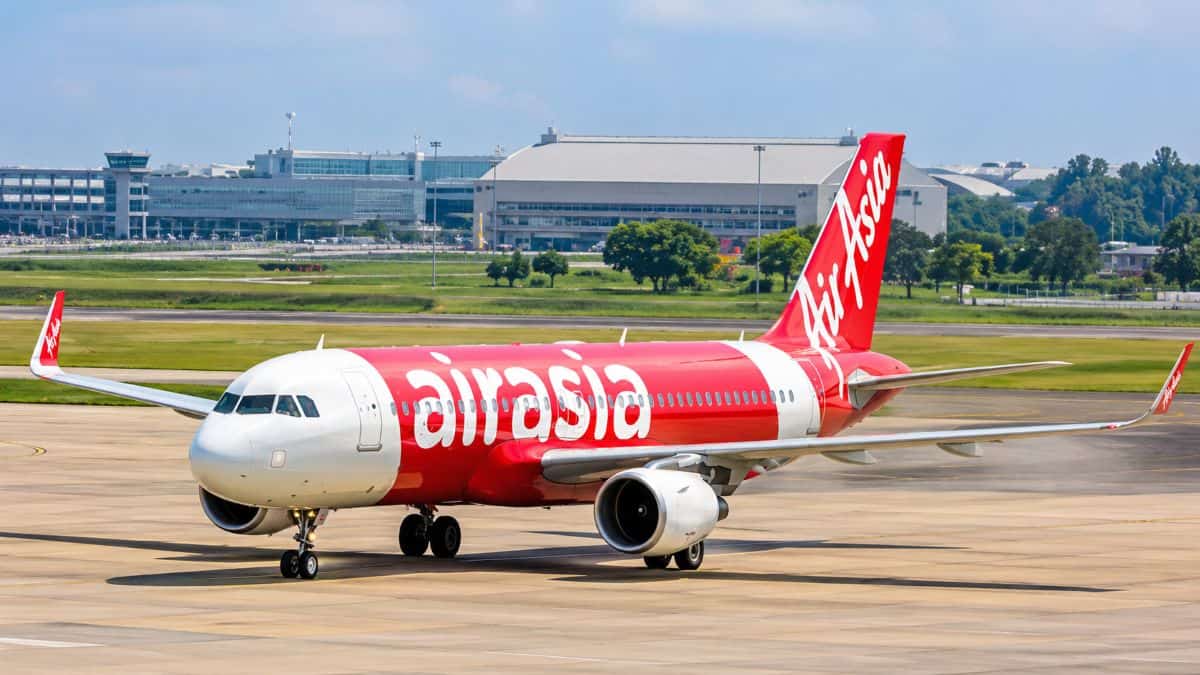
AirAsia is facing renewed attention over the strength of its balance sheet as the airline works to reassure investors while maintaining its position in Southeast Asia’s highly competitive travel market. The issue has become important not only for shareholders but also for travellers because an airline’s financial resilience can influence fleet planning, route development, operational investment and the ability to respond to changes in fuel prices and passenger demand. The company’s co-founder and adviser Tony Fernandes has rejected speculation about a government rescue and said the group has more than RM1 billion in liquidity.
The latest discussion comes as AirAsia operates within an aviation environment where airlines must balance affordable fares with significant expenses linked to aircraft, fuel, staffing, maintenance and financing. The source report describes the current situation as a test of the airline’s balance sheet and highlights investor scrutiny of whether the group’s financial position matches the confidence expressed by its leadership. For travellers, the wider significance lies in how financial strength can support continued connectivity across important Asian markets.
Advertisement
Advertisement
Liquidity Becomes Central To AirAsia’s Travel Strategy
Liquidity is particularly important for an airline because cash availability provides a buffer against fluctuations in demand and unexpected operating costs. AirAsia’s stated liquidity of more than RM1 billion is therefore a key figure in understanding the company’s current financial position.
Fernandes made the statement during a media briefing in Bangkok, where he also said there had been no discussions with the Malaysian government regarding a bailout. The comments directly addressed speculation about possible government assistance and placed greater emphasis on the company’s own financial resources.
Advertisement
Advertisement
For the travel industry, this distinction matters. Airlines require sufficient financial flexibility to maintain aircraft, operate schedules, manage supplier commitments and support future network decisions. Strong liquidity can provide greater room to absorb temporary pressure, while weaker cash availability can increase the importance of refinancing, cost management and careful capacity planning.
The source also identifies debt refinancing, jet fuel and cash flow among the key issues associated with the discussion surrounding AirAsia. These factors are closely connected to the economics of air travel and can influence how carriers manage their networks.
Advertisement
Advertisement
Why The Balance Sheet Matters To Travellers
Airline financial stories can appear distant from the everyday experience of passengers, but balance-sheet conditions can eventually affect the travel experience. Decisions involving aircraft utilisation, route frequency, fleet commitments and expansion are connected to the financial resources available to an airline.
A financially resilient carrier may have more flexibility to preserve connectivity during difficult periods, while financial pressure can encourage closer scrutiny of costs and capacity. However, the available source does not establish that AirAsia is planning specific route cancellations or reductions because of the current balance-sheet concerns.
This distinction is important for accurate travel reporting. The report describes investor concerns and management assurances, but it does not announce a broad operational retreat. Travellers should therefore distinguish between financial scrutiny and confirmed changes to flight schedules.
Key Financial Issues Shaping The Outlook
| Financial Factor | Relevance To AirAsia | Potential Travel Significance |
|---|---|---|
| Liquidity | More than RM1 billion was cited by Fernandes | Provides financial flexibility for operations |
| Debt Refinancing | Identified as a key balance-sheet consideration | Can influence future financial commitments |
| Jet Fuel | Highlighted among pressures affecting airline economics | Fuel costs can affect fares and operating margins |
| Cash Flow | Important to the airline’s ongoing financial resilience | Supports day-to-day operations and investment |
| Investor Confidence | Central to scrutiny of the balance sheet | Can influence perceptions of future expansion |
These factors demonstrate why the debate extends beyond a single liquidity figure. Cash reserves provide an important cushion, but investors also examine how quickly money is generated and spent, the structure of liabilities and the costs associated with running an airline.
For a carrier operating across Southeast Asia, the ability to manage these pressures is particularly relevant because the region is heavily dependent on aviation for leisure, business and visiting-friends-and-relatives travel.
Southeast Asia Remains A Major Aviation Market
AirAsia’s financial position must also be considered against the broader role of low-cost aviation in Southeast Asian travel. Affordable air connections have helped make regional tourism more accessible, linking major cities with leisure destinations and supporting short-haul international journeys.
Advertisement
Advertisement
The airline’s network has historically been closely associated with the growth of regional air travel, making its financial health relevant to the wider tourism ecosystem. Airports, hotels, attractions, restaurants and local transport providers can all benefit from reliable passenger flows.
At the same time, airlines face structural challenges. Fuel expenses can change significantly, currency movements can affect costs, aircraft-related commitments can be substantial and passenger demand can fluctuate according to economic conditions and seasonal travel patterns.
This creates a continuous requirement for disciplined financial management.
Investor Confidence Remains A Key Test
The source report frames the central challenge as convincing investors that the airline’s financial numbers support the confidence expressed by Fernandes. His rejection of bailout discussions provides one part of that argument, while the reported liquidity figure provides another.
However, investor confidence depends on more than management statements. Financial markets typically assess a company through multiple indicators, including liquidity, debt obligations, cash generation, profitability, future capital requirements and exposure to external costs.
For AirAsia, the balance-sheet debate therefore represents a broader examination of how effectively the airline can manage its resources while continuing to serve a large regional travel market.
Advertisement
Advertisement
Fuel And Refinancing Could Influence Future Decisions
Jet fuel remains one of the most important variable expenses in commercial aviation. Changes in fuel prices can place pressure on airline margins and create difficult decisions over fares, capacity and cost controls.
Debt refinancing is another important consideration because airlines frequently require significant capital for aircraft and other long-term commitments. The source specifically identifies refinancing and jet fuel among the issues connected with AirAsia’s financial position.
For travellers, these pressures can eventually influence the economics behind ticket pricing and network planning. Yet the immediate report does not announce a new fare policy or specific route reductions, so such outcomes should not be presented as confirmed developments.
What The Situation Means For Air Travel
The current AirAsia discussion illustrates the financial balancing act facing airlines as they serve an expanding and competitive travel market. Airlines must preserve operational reliability while controlling costs, maintaining sufficient liquidity and satisfying investors.
AirAsia’s reported liquidity position offers an important element of context, while the continuing scrutiny of its balance sheet shows why investors are examining the company beyond headline statements. The next stage will depend on how effectively the group manages cash flow, refinancing requirements, fuel exposure and other operating commitments.
For travellers, the immediate takeaway is that financial scrutiny does not automatically mean disruption. The available information establishes management’s rejection of bailout discussions and its stated liquidity position, but it does not confirm widespread changes to passenger services.
Advertisement
Advertisement
AirAsia’s Financial Test Has Wider Tourism Implications
AirAsia’s position matters because aviation is closely connected to Southeast Asia’s tourism economy. A major low-cost carrier can influence how easily passengers move between cities, islands and countries, while its capacity decisions can affect tourism flows.
The airline’s current balance-sheet discussion therefore deserves attention from both investors and the travel sector. Its ability to maintain liquidity while managing fuel expenses, refinancing obligations and cash flow will remain central to perceptions of financial resilience.
As of September 26, 2026, the source material provides management’s assurance that there has been no government bailout discussion and that the group has more than RM1 billion in liquidity. The broader question identified in the report is whether the airline’s financial performance can sustain the confidence expressed by its leadership.
Frequently Asked Questions
What is the main financial issue facing AirAsia?
The main issue highlighted is whether AirAsia’s balance sheet and financial numbers can support the confidence expressed by its leadership.
How much liquidity has AirAsia said it has?
Tony Fernandes said the group has more than RM1 billion in liquidity.
Has AirAsia confirmed receiving a government bailout?
No. Fernandes said there had been no discussions with the Malaysian government over a bailout.
Advertisement
Advertisement
Where were the comments about AirAsia’s financial position made?
Fernandes made the comments during a media briefing in Bangkok.
Why is liquidity important for an airline?
Liquidity helps an airline meet operating commitments and provides financial flexibility when costs or passenger demand change.
Why are fuel prices important to AirAsia?
Jet fuel is a major airline expense, so changes in fuel costs can affect operating economics and financial performance.
What is debt refinancing?
Debt refinancing involves replacing or restructuring existing borrowing, potentially changing repayment terms or financing costs.
Could the financial situation affect travellers?
Financial conditions can influence airline capacity, investment and network decisions, although the source does not confirm widespread passenger-service changes.
Does the report announce route cancellations?
No. The available report discusses financial scrutiny and does not announce specific widespread route cancellations.
Advertisement
Advertisement
Why does AirAsia’s financial health matter to tourism?
Air connectivity supports movement between destinations, so the financial resilience of a major regional carrier can have wider implications for tourism and travel connectivity.
Your file library is full. New files won’t be saved to y
Advertisement
