
Hundreds of Travelers Disrupted Around Asia with 5,197 Delays and 170 Cancellations at Taif, Ho Chi Minh City and More Airports

Published
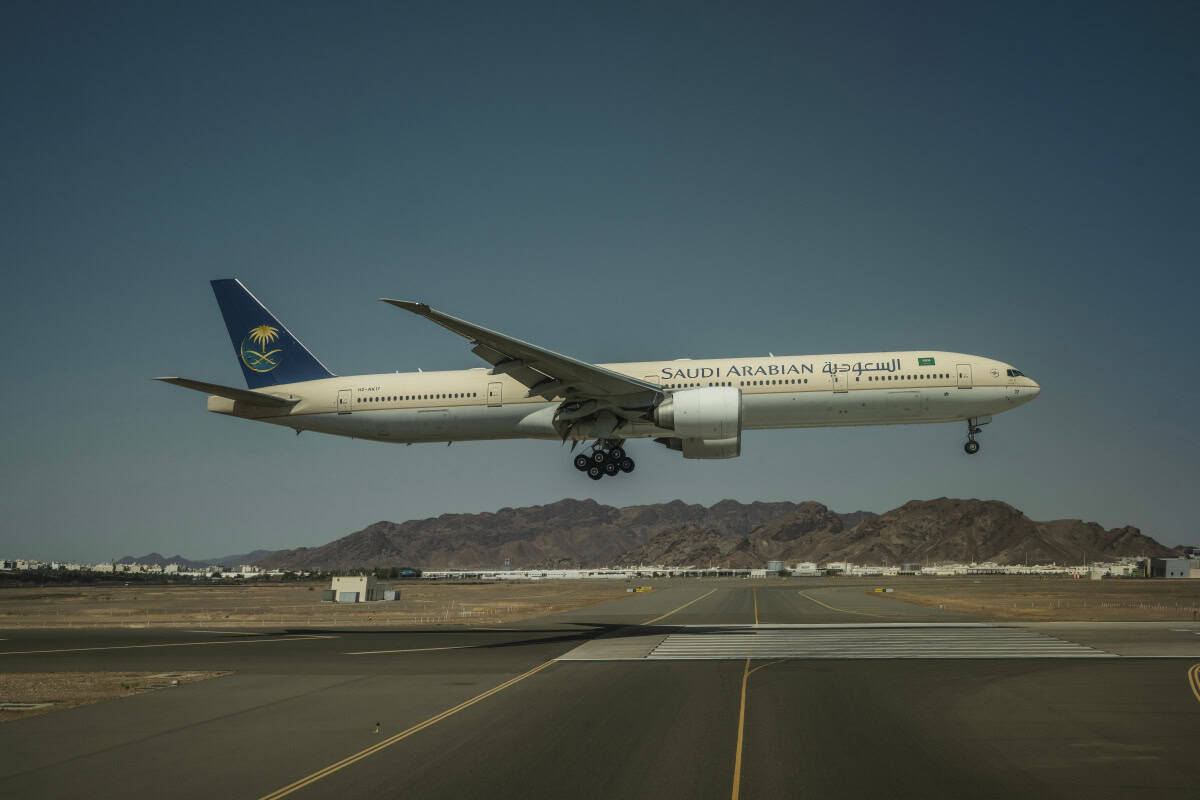
Airports in key aviation hubs, such as Taif and Ho Chi Minh City, reported 5,197 delays and 170 cancellations, disrupting hundreds of travelers around Asia. Due to operational demands, high air traffic, weather-related difficulties, and aircraft scheduling problems, the extensive disruption had an impact on passenger travel. Additionally, congestion at a number of major airports resulted in delays that extended to connecting routes. As a result, scheduled travel was significantly altered for both airlines and passengers. The most recent incident underscores the mounting strain on Asia’s aviation network, as numerous airports are still dealing with passenger uncertainty, canceled services, and delayed flights.
The disruption affected some of Asia’s busiest aviation networks, including major hubs in China, India, Japan, Indonesia, Vietnam, Malaysia, South Korea, and the Gulf region. Several airlines experienced high delay percentages, with operational pressure visible across both domestic and international routes.
Advertisement
Advertisement
Major Asian Airports Face Heavy Flight Disruptions
The largest disruption was recorded at several high-volume Asian airports, where thousands of passengers faced longer waiting times and possible schedule changes.
China Airports Experience the Highest Delay Pressure
China emerged as one of the most affected aviation markets, with multiple major airports reporting severe delays.
Advertisement
Advertisement
Beijing Daxing International Airport recorded 716 delays and 6 cancellations, while Beijing Capital International Airport reported 636 delays and 5 cancellations. Other major Chinese airports also experienced significant disruption, including:
- Guangzhou Baiyun International Airport: 337 delays and 2 cancellations
- Shanghai Pudong International Airport: 292 delays and 3 cancellations
- Shanghai Hongqiao International Airport: 159 delays and 2 cancellations
- Chengdu Tianfu International Airport: 134 delays and 1 cancellation
- Chengdu Shuangliu International Airport: 133 delays and 1 cancellation
- Xiamen Gaoqi International Airport: 99 delays and 2 cancellations
The disruption across Chinese airports placed pressure on domestic and international connections, affecting passengers travelling between major cities and regional destinations.
Advertisement
Advertisement
India Aviation Network Sees Widespread Impact
Indian airports also experienced notable operational challenges, with several major hubs connecting with Asia recording delays and cancellations.
Indira Gandhi International Airport in Delhi reported 203 delays and 11 cancellations, making it one of the most affected airports in the region. Other Indian airports recorded:
Advertisement
Advertisement
- Chhatrapati Shivaji International Airport Mumbai: 115 delays and 3 cancellations
- Rajiv Gandhi International Airport Hyderabad: 72 delays and 2 cancellations
- Netaji Subhas Chandra Bose International Airport Kolkata: 46 delays and 3 cancellations
- Cochin International Airport Kochi: 29 delays and 2 cancellations
- Bengaluru International Airport: 8 delays and 1 cancellation
- Gaggal Airport Kangra: 5 delays and 2 cancellations
The impact was spread across major Indian cities, affecting both domestic travellers and passengers connecting to international destinations.
Japan, Southeast Asia and Middle East Hubs Also Affected
Japan experienced heavy disruption, particularly at its largest airport hubs.
Tokyo Haneda International Airport recorded 385 delays and 3 cancellations, while:
- New Chitose Airport: 104 delays and 2 cancellations
- Fukuoka Airport: 79 delays and 3 cancellations
Southeast Asian aviation networks also faced disruption. Jakarta Soekarno-Hatta International Airport recorded 188 delays and 14 cancellations, while:
Advertisement
Advertisement
- Kuala Lumpur International Airport: 183 delays and 1 cancellation
- Noi Bai International Airport Hanoi: 153 delays and 4 cancellations
- Tan Son Nhat International Airport Ho Chi Minh City: 136 delays and 7 cancellations
- Singapore Changi Airport: 121 delays and 2 cancellations
- Sultan Hasanuddin International Airport: 43 delays and 3 cancellations
Middle Eastern airports connected with Asian routes also recorded disruptions. Dubai International Airport reported 182 delays and 5 cancellations, followed by:
- Abu Dhabi International Airport: 97 delays and 2 cancellations
- King Abdulaziz International Airport Jeddah: 96 delays and 8 cancellations
- King Khalid International Airport Riyadh: 75 delays and 18 cancellations
- Hamad International Airport Doha: 70 delays and 1 cancellation
Airlines Across Asia Report Delays and Cancelled Flights
Airlines operating across Asia also experienced disruption, with some carriers reporting high delay percentages.
Air China recorded the highest number of delayed flights among listed airlines, with 601 delays affecting 31% of operations, alongside 8 cancellations at a 0% cancellation rate.
Other major airline disruptions included:
- China Eastern: 480 delays (18%) and 7 cancellations (0%)
- IndiGo: 264 delays (13%) and 5 cancellations (0%)
- Japan Airlines: 174 delays (22%) and 1 cancellation (0%)
- China Express Airlines: 125 delays (28%) and 4 cancellations (0%)
- FlyDubai: 95 delays (32%) and 2 cancellations (0%)
- Malindo Air: 68 delays (43%) and 1 cancellation (0%)
- Batik Air: 66 delays (21%) and 14 cancellations (4%)
- Shanghai Airlines: 61 delays (17%) and 1 cancellation (0%)
- Qatar Airways: 56 delays (9%) and 1 cancellation (0%)
- Saudia: 54 delays (10%) and 22 cancellations (4%)
- Vietnam Airlines: 51 delays (13%) and 8 cancellations (2%)
- ANA Wings: 48 delays (13%) and 3 cancellations (0%)
- Garuda Indonesia: 25 delays (10%) and 1 cancellation (0%)
- Air Do: 23 delays (33%) and 2 cancellations (2%)
- Uzbekistan Airways: 20 delays (20%) and 1 cancellation (1%)
- Akasa Air: 12 delays (6%) and 5 cancellations (2%)
- Kuwait Airways Corporation: 10 delays (10%) and 1 cancellation (1%)
- Pakistan International Airlines: 8 delays (12%) and 4 cancellations (6%)
- Airblue: 4 delays (9%) and 4 cancellations (9%)
- Mahan Air: 4 delays (23%) and 1 cancellation (5%)
- Yakutia Airlines: 2 delays (50%) and 2 cancellations (50%)
Analysis of Affected Airports Cities Countries and Airlines across Asia
The disruption pattern shows that the strongest pressure was concentrated in major aviation markets with large passenger volumes and extensive connecting networks.
China experienced the largest airport-level impact, with Beijing, Shanghai, Guangzhou, and Chengdu airports accounting for some of the highest delay numbers. India also faced significant disruption, particularly in Delhi and Mumbai, where passenger traffic volumes remain among the highest in the region.
Advertisement
Advertisement
Japan’s Tokyo Haneda disruption affected one of Asia’s busiest metropolitan gateways, while Southeast Asian hubs including Jakarta, Kuala Lumpur, Hanoi, and Ho Chi Minh City faced delays affecting regional connectivity.
Among airlines, Chinese carriers recorded some of the highest delay volumes, while Indian, Japanese, Indonesian, and Gulf airlines also experienced operational pressure. The combination of airport congestion, delayed aircraft movements, and network connections can create wider impacts across multiple routes.
What Affected Passengers Should Do Now
Passengers travelling through affected airports in Asia should take several steps to reduce disruption risks.
- Check flight status directly with the airline before leaving for the airport.
- Arrive earlier than usual, especially for international flights.
- Keep mobile notifications active for airline updates.
- Confirm connecting flight arrangements if travelling through major hubs.
- Avoid making immediate alternative travel arrangements until receiving official airline updates.
- Keep important travel documents and booking details easily accessible.
Travellers should remain flexible as delays can change quickly throughout the day. Airlines and airports continue managing affected schedules, and passengers should rely on official flight updates for the latest information.
Data Verification Notice
The data has been extensively curated by our editorial team using real-time aviation figures recorded on 24 September 2026 at 2:49 pm ET USA (25 September 2026, 12:20 am IST).
Primary Source: FlightAware.
Verification Protocol: All statistics have been independently reviewed and cross-checked by our human editorial desk. Timestamped records, data logs and feed snapshots are securely archived internally to support historical accuracy and editorial transparency.
Note: Real-time flight-tracking figures reflect active airspace and operational data. Minor variations may occur when compared with information displayed at individual airport terminals or airline departure gates.
Click here to read our earlier report on disruptions over Asian Airports.
Advertisement
Verified by Somudranil Sarkar
