
Canada Takes Centre Stage as Whitehorse, Yukon Tops the 2027 Travel Hotlist With Nature, Culture and Adventure

Published
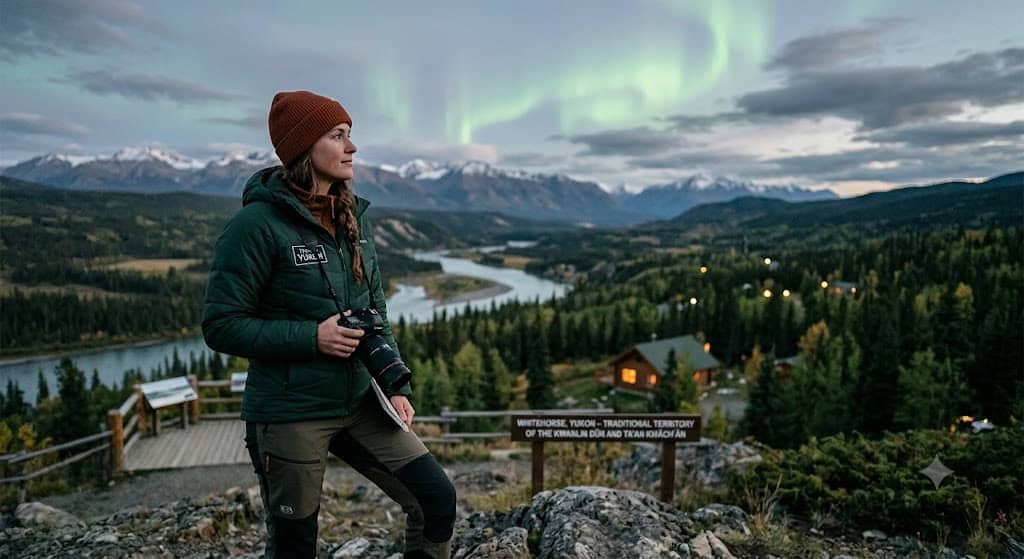
Canada’s northern wilderness is stepping into the international spotlight as Whitehorse, Yukon earns top placement on global 2027 travel hotlists, praised for its pristine wilderness, rich Indigenous heritage, and sustainable adventure tourism. This recognition comes at a pivotal moment as international travelers actively seek out authentic, low-impact, off-the-beaten-path destinations away from overcrowded metropolitan hubs. By examining official tourism data, territorial economic indicators, and Federal policy frameworks, this report explores how Canada’s capital of the North is redefining modern eco-tourism, fostering Reconciliation-led cultural preservation, and establishing a resilient benchmark for sustainable sub-Arctic destination management.
Background: The Rise of Canada’s Wilderness Capital
Located along the banks of the historic Yukon River, Whitehorse serves as the administrative, cultural, and economic heart of the Yukon Territory. Historically celebrated as a crucial staging ground during the 1898 Klondike Gold Rush, the municipality sits on the traditional territories of the Kwanlin Dün First Nation and the Ta’an Kwäch’än Council. Over the past decade, the community has undergone a strategic shift from a resource-dependent northern centre into a world-class destination for eco-conscious travelers, outdoor enthusiasts, and cultural heritage seekers.
Official data published by the Yukon Bureau of Statistics and Tourism Yukon highlights a steady shift in global traveler behavior. International visitors are moving away from congested urban corridors in favor of remote regions offering clean air, untouched ecosystems, and deep cultural connections. Positioned at 60° north latitude, Whitehorse acts as the primary gateway to the Yukon’s 483,450 square kilometres of mountains, boreal forest, and sub-Arctic tundra. The city balances modern infrastructure—including the Erik Nielsen Whitehorse International Airport—with immediate access to remote wilderness, making it a natural leader in Canada’s evolving visitor economy.
Advertisement
Advertisement
Yukon Territory Economic Profile (Official Public Indicators)
┌──────────────────────────────────────┬─────────────────────────────────────┐
Advertisement
Advertisement
│ Economic Metric │ Official Baseline Figure │
├──────────────────────────────────────┼─────────────────────────────────────┤
│ Direct Tourism GDP Contribution │ $146.1 Million │
│ Sector Gross Revenue Attributable │ $367.8 Million │
│ Direct Tourism Industry Employment │ ~2,360 Jobs (~9% of Territorial) │
│ Direct Visitor Annual Expenditure │ $284.6 Million │
Advertisement
Advertisement
│ Out-of-Territory Package Spend │ $310.6 Million │
└──────────────────────────────────────┴─────────────────────────────────────┘
Latest Official Developments: Recognition on the 2027 Global Hotlist
In major international releases, Intrepid Travel selected Whitehorse, Yukon, as a premier global destination for 2027, placing it fourth on its prestigious annual Not Hot List. This marks the first time a Canadian destination has featured on the list, which spotlights under-the-radar locations ready to welcome visitors sustainably while mitigating overtourism seen in high-density regions.
Top Global Destinations Featured on the 2027 Not Hot List
┌──────┬────────────────────────────────┬────────────────────────────────────┐
Advertisement
Advertisement
│ Rank │ Destination │ Country │
├──────┼────────────────────────────────┼────────────────────────────────────┤
│ 1 │ Samburu National Reserve │ Kenya │
│ 2 │ Mestia │ Georgia │
│ 3 │ Northern Highlands │ Jordan │
│ 4 │ Whitehorse, Yukon │ Canada │
Advertisement
Advertisement
│ 5 │ Alonnisos │ Greece │
└──────┴────────────────────────────────┴────────────────────────────────────┘
While adjacent provinces like British Columbia welcome approximately 10 million visitors annually, official territorial figures show the Yukon maintains a controlled, high-quality visitor volume of just over 500,000 annually. This managed scale preserves both local quality of life and delicate sub-Arctic ecosystems. The global listing showcases Whitehorse as a forward-thinking destination where growth aligns with community readiness, environmental stewardship, and Indigenous leadership.
Government Announcements and Federal Policy Alignment
The territorial government, alongside Destination Canada and Innovation, Science and Economic Development Canada (ISED), continues to roll out structural investments under the Yukon Tourism Development Strategy (2018–2028). This ten-year policy framework prioritizes sustainable growth, year-round product diversification, and community-led tourism models.
The Canadian Tourism Sector Strategy
Advertisement
Advertisement
At the national level, the Federal Tourism Growth Strategy, overseen by ISED, identifies Canada’s North as an irreplaceable asset for national tourism brand equity. Key federal policy priorities implemented across the region include:
- Indigenous Tourism Acceleration: Direct investment in Indigenous-owned tourism enterprises through federal micro-grants and territorial support programs such as the Spark Tourism Micro-grant and the Community Tourism Destination Development Fund.
- Infrastructure and Transport Resilience: Funding enhancements for northern air links, regional highway networks, and municipal green space projects.
- Data-Driven Destination Management: Utilizing the Canadian Tourism Data Collective—a centralized platform developed by Destination Canada, Statistics Canada, and ISED—to monitor visitor flows, resident sentiment, and environmental impacts in real time.
Statistics: Economic Impact and Visitor Dynamics
Official economic reports from the Yukon Bureau of Statistics highlight tourism as a critical pillar of the territory’s non-resource economy.
Territorial Tourism Sector Revenue Breakdown
┌──────────────────────────────────────────────┬──────────────────────────────┐
│ Revenue Stream │ Financial Valuation (CAD) │
Advertisement
Advertisement
├──────────────────────────────────────────────┼──────────────────────────────┤
│ Direct In-Territory Visitor Spending │ $284.6 Million │
│ Associated Travel Packages (Yukon Component) │ $310.6 Million │
│ Total Gross Business Tourism Revenues │ $367.8 Million │
│ Annual Direct GDP Contribution │ $146.1 Million │
└──────────────────────────────────────────────┴──────────────────────────────┘
Advertisement
Advertisement
Employment and Workforce Integration
The tourism sector supports roughly 2,360 direct jobs in the Yukon, accounting for approximately 9 per cent of total territorial employment. Average hourly compensation across tourism-related trades stands at $31.13, reflecting high job quality, specialized skill requirements, and competitive territorial pay structures. Total annual labor compensation generated by the sector exceeds $117.4 million.
Yukon Tourism Workforce Statistics
┌──────────────────────────────────────────────┬──────────────────────────────┐
│ Metric │ Value │
├──────────────────────────────────────────────┼──────────────────────────────┤
Advertisement
Advertisement
│ Direct Tourism Jobs │ ~2,360 │
│ Percentage of Total Yukon Employment │ 9.0% │
│ Average Hourly Compensation │ $31.13 per hour │
│ Total Annual Sector Payroll │ $117.4 Million │
└──────────────────────────────────────────────┴──────────────────────────────┘
Visitor Profile and Behavior Analytics
Advertisement
Advertisement
Official data gathered from the comprehensive Yukon Visitor Exit Survey provides detailed insights into traveler habits:
- Nature and Outdoor Recreation: Over 82 per cent of visitors list nature exploration, national/territorial park visits, and outdoor recreation as their primary trip motivators.
- Aurora Borealis Viewing: Winter and shoulder-season arrivals are predominantly driven by Northern Lights tourism, with Whitehorse functioning as the operational base for regional viewing locations including Fish Lake, Grey Mountain, and Chadburn Lake.
- Cultural and Heritage Engagement: Over 64 per cent of international travelers participate in at least one Indigenous cultural experience or heritage site visit during their stay.
Visitor Motivation and Activity Breakdown
┌──────────────────────────────────────────────┬──────────────────────────────┐
│ Primary Activity Category │ Visitor Participation Rate │
├──────────────────────────────────────────────┼──────────────────────────────┤
│ Nature & Wilderness Exploration │ 82% │
Advertisement
Advertisement
│ Indigenous Cultural & Heritage Experiences │ 64% │
│ Outdoor Adventure (Paddling, Hiking, Skiing) │ 58% │
│ Northern Lights (Aurora Borealis) Viewing │ 52% (Seasonal Peak 85%) │
└──────────────────────────────────────────────┴──────────────────────────────┘
Policy Implications: Rebalancing Northern Tourism Growth
The inclusion of Whitehorse on the global 2027 hotlist brings strategic policy choices to the forefront for territorial and municipal planners. Unmanaged tourism growth risks straining northern infrastructure, increasing housing pressure, and disrupting fragile Arctic ecosystems. In response, the Government of Yukon has implemented policies designed to balance economic benefits with sustainable destination management.
Advertisement
Advertisement
Strategic Policy Matrix for Northern Tourism
┌────────────────────────────┬────────────────────────────────────────────────┐
│ Policy Pillar │ Strategic Action & Objective │
├────────────────────────────┼────────────────────────────────────────────────┤
│ Environmental Stewardship │ Cap seasonal visitor density; promote off-peak │
│ │ travel windows (autumn/winter). │
Advertisement
Advertisement
├────────────────────────────┼────────────────────────────────────────────────┤
│ Cultural Integrity │ Support First Nation ownership of cultural │
│ │ assets and guided storytelling. │
├────────────────────────────┼────────────────────────────────────────────────┤
│ Infrastructure Investment │ Deploy capital via the Community Tourism │
│ │ Destination Development Fund. │
Advertisement
Advertisement
├────────────────────────────┼────────────────────────────────────────────────┤
│ Economic Resilience │ Fill market gaps through targeted micro-grants │
│ │ for local entrepreneurs. │
└────────────────────────────┴────────────────────────────────────────────────┘
Environmental Protection Standards
Tourism operators in the Yukon are encouraged to adopt strict zero-trace practices. The Department of Environment monitors recreational trail usage around Whitehorse’s 700 kilometres of marked trails—including 85 kilometres of cross-country ski trails—to prevent habitat fragmentation and soil erosion.
Advertisement
Advertisement
Seasonal Spread and Yield Optimization
To prevent peak-summer bottlenecks, official campaigns run by Tourism Yukon emphasize the autumn and winter months. By promoting aurora viewing, dog sledding, cross-country skiing, and winter cultural festivals, the territorial government stabilizes year-round employment for local guides, hospitality staff, and transport providers.
Seasonal Visitor Spread Optimization
┌──────────────────┬───────────────────────────────┬──────────────────────────┐
│ Season │ Core Attractions │ Management Focus │
├──────────────────┼───────────────────────────────┼──────────────────────────┤
Advertisement
Advertisement
│ Summer (May-Aug) │ Yukon River paddling, hiking, │ Dispersion to broader │
│ │ midnight sun cultural events │ territorial routes. │
├──────────────────┼───────────────────────────────┼──────────────────────────┤
│ Autumn (Sep-Oct) │ Fall foliage, early aurora, │ Yield expansion, shoulder│
│ │ wilderness wildlife tours │ season booking boost.│
├──────────────────┼───────────────────────────────┼──────────────────────────┤
Advertisement
Advertisement
│ Winter (Nov-Apr) │ Aurora Borealis, dog sledding,│ Year-round employment │
│ │ snowshoeing, winter festivals │ stability. │
└──────────────────┴───────────────────────────────┴──────────────────────────┘
Industry Impact: Fostering Sustainable Operator Ecosystems
The international spotlight on Whitehorse directly impacts tour operators, accommodation providers, and transport networks across the Yukon. Global travel companies are integrating authentic, community-focused itineraries that directly benefit residents.
Industry Operational Framework
Advertisement
Advertisement
┌──────────────────────────────┬──────────────────────────────────────────────┐
│ Industry Sector │ Strategic Adaptations & Integration │
├──────────────────────────────┼──────────────────────────────────────────────┤
│ Tour Operators │ Shift toward small-group, low-impact trips │
│ │ with First Nation cultural guides. │
├──────────────────────────────┼──────────────────────────────────────────────┤
Advertisement
Advertisement
│ Accommodation │ Expansion of eco-lodges, boutique cabins, and│
│ │ winter aurora viewing glass chalets. │
├──────────────────────────────┼──────────────────────────────────────────────┤
│ Transportation │ Increased regional flight capacity; electric │
│ │ shuttle options for wilderness excursions. │
├──────────────────────────────┼──────────────────────────────────────────────┤
Advertisement
Advertisement
│ Food & Beverage │ Integration of locally harvested northern │
│ │ ingredients and culinary heritage. │
└──────────────────────────────┴──────────────────────────────────────────────┘
For instance, international itineraries now incorporate multi-day stays in Whitehorse paired with guided First Nations cultural educational programming. These offerings provide sustainable revenue streams for local Indigenous educators, artisans, and small business owners while protecting intangible cultural heritage.
Economic Implications: Diversifying the Northern Economy
Economic diversification remains a central imperative across northern Canada. Historically dependent on mining, public sector employment, and seasonal infrastructure projects, the Yukon leverages tourism to build a balanced, resilient economy.
Advertisement
Advertisement
Yukon GDP Structural Composition
┌──────────────────────────────────────────────┬──────────────────────────────┐
│ Sector │ Relative Share of Territorial│
│ │ Economy │
├──────────────────────────────────────────────┼──────────────────────────────┤
│ Public Sector & Administration │ Major Baseline Share │
Advertisement
Advertisement
│ Mining, Energy & Resource Extraction │ Dynamic/Volatile Share │
│ Tourism & Visitor Services │ ~5.0% Direct GDP ($146.1M) │
│ Retail, Construction & Services │ Supporting Share │
└──────────────────────────────────────────────┴──────────────────────────────┘
The Tourism Multiplier Effect
Every dollar spent by international visitors in Whitehorse generates secondary economic activity across local supply chains. From local agriculture and craft brewing to equipment rentals and regional aviation, tourism revenue circulates locally.
Advertisement
Advertisement
Economic Flow of Visitor Expenditure
┌─────────────────────────┐
│ Visitor Package & In- │
│ Territory Spending │
│ ($595.2 Million Total) │
└────────────┬────────────┘
Advertisement
Advertisement
│
▼
┌─────────────────────────┐
│ Direct Tourism Business │
│ Revenues ($367.8M) │
└────────────┬────────────┘
Advertisement
Advertisement
│
├──────────────────────────┐
▼ ▼
┌─────────────────────────┐ ┌─────────────────────────┐
│ Direct Territorial GDP │ │ Local Labor Payroll │
│ Contribution ($146.1M) │ │ ($117.4 Million) │
Advertisement
Advertisement
└─────────────────────────┘ └─────────────────────────┘
Indigenous-Led Tourism and Authentic Cultural Integration
At the heart of Whitehorse’s success is a commitment to Reconciliation-led, Indigenous-owned tourism development. The Kwanlin Dün First Nation and Ta’an Kwäch’än Council, alongside Yukon First Nations Culture and Tourism (YFNCT), lead the way in ensuring Indigenous peoples control their own stories and heritage assets.
Key First Nations Tourism Principles in the Yukon
┌───────────────────────────┬─────────────────────────────────────────────────┐
│ Core Principle │ Practical Application │
Advertisement
Advertisement
├───────────────────────────┼─────────────────────────────────────────────────┤
│ Indigenous Ownership │ Enterprise developed, owned, and operated by │
│ │ First Nation members. │
├───────────────────────────┼─────────────────────────────────────────────────┤
│ Cultural Integrity │ Traditional stories shared exclusively by │
│ │ authorized knowledge keepers. │
Advertisement
Advertisement
├───────────────────────────┼─────────────────────────────────────────────────┤
│ Environmental Respect │ Guided by traditional ecological knowledge │
│ │ (TEK) to protect lands and waters. │
├───────────────────────────┼─────────────────────────────────────────────────┤
│ Economic Self- │ Direct reinvestment of tourism yield into local │
│ Determination │ community social programs. │
Advertisement
Advertisement
└───────────────────────────┴─────────────────────────────────────────────────┘
Visitors to Whitehorse can participate in Indigenous-guided river tours, cultural center workshops, traditional arts showcases, and seasonal gatherings like the Adäka Cultural Festival. This approach ensures tourism acts as a force for cultural restoration, intergenerational knowledge transfer, and meaningful reconciliation.
Official Statements and Expert Perspectives
Statements published by leaders across the Yukon’s tourism sector highlight the significance of global recognition:
“It is very important to know that this land has been travelled and cared for since time immemorial. Visiting here means stepping into history and feeling the land in a very meaningful way.”
— Amber Berard-Althouse, Founder of Land Heals and Chair of Yukon First Nations Culture and Tourism.
Advertisement
Advertisement
Official statements from Destination Canada also emphasize the role northern destinations play in positioning Canada as a world-leading destination for sustainable travel. By aligning global marketing with authentic, community-ready regions, Canada creates memorable travel experiences while ensuring economic benefits remain within host communities.
Future Outlook: Sustainable Expansion Through 2027 and Beyond
Looking toward 2027, Whitehorse is exceptionally well-positioned to maintain its leadership in sustainable sub-Arctic tourism. Planned investments in accommodation upgrades, expanded eco-tours, and enhanced regional transport links will ensure the territory can accommodate growing interest while protecting its natural character.
Strategic Roadmap for Yukon Tourism Growth
┌─────────────┬──────────────────────────────────────────────────────────────┐
│ Timeframe │ Key Strategic Initiatives & Milestones │
Advertisement
Advertisement
├─────────────┼──────────────────────────────────────────────────────────────┤
│ 2026–2027 │ Capitalize on international hotlist placements; roll out │
│ │ expanded shoulder-season marketing campaigns. │
├─────────────┼──────────────────────────────────────────────────────────────┤
│ 2027–2028 │ Complete key deliverables under the Yukon Tourism │
│ │ Development Strategy 2018–2028. │
Advertisement
Advertisement
├─────────────┼──────────────────────────────────────────────────────────────┤
│ Post-2028 │ Establish a long-term net-zero destination management │
│ │ framework built on Indigenous stewardship. │
└─────────────┴──────────────────────────────────────────────────────────────┘
Through careful planning, strong public policy, and authentic community integration, Whitehorse serves as an inspiring blueprint for destination management worldwide. As global travelers increasingly seek meaningful, sustainable connections with nature and culture, Canada’s northern capital stands ready to lead.
Advertisement
