
Big Changes for Travelers: British Airways Ends Multiple European Routes in Strategic Overhaul

Published
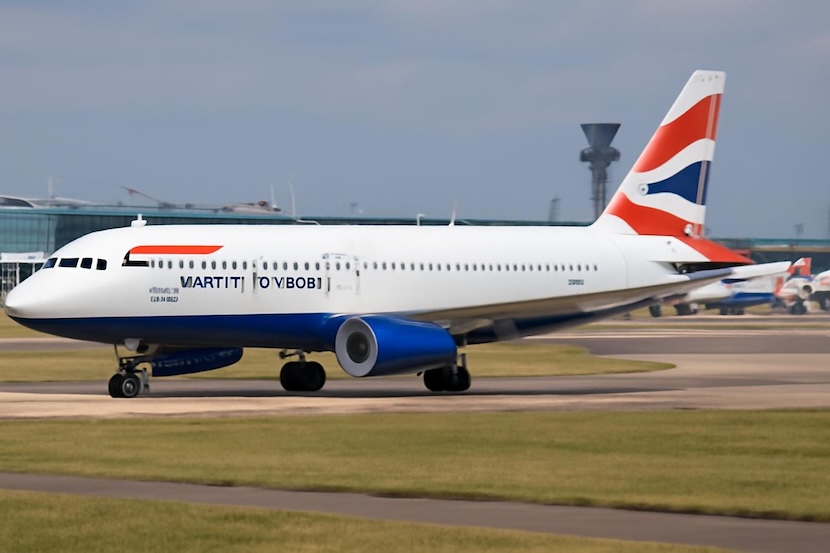 Image generated with Ai
British Airways (BA) has made a significant decision that will reshape its European network by terminating four of its current routes. Three of these flights are operated from London Heathrow Airport (LHR), and one from London City Airport (LCY). The routes in question include LHR-Cologne (CGN), LHR-Riga (RIX), LHR-Stuttgart (STR), and LCY-Frankfurt (FRA). The last flights are scheduled to operate by March 28, 2026, marking the end of an era for these popular European connections.
Why Are These Routes Being Cut?
The decision comes as part of British Airways’ strategic move to optimise its operations, focusing on routes that generate higher revenues. The LHR-Riga connection, for example, despite carrying nearly 46,000 passengers from January to August 2025, only achieved 70% seat occupancy. This indicated weak performance, and the airline found it difficult to sustain profits on this route. Similarly, the LHR-Cologne flight, which resumed in 2023, struggled to compete against Eurowings, which offers far more frequent service.
As for Stuttgart, the LHR-Stuttgart route had served the business sector for decades, with a typical passenger volume of 250,000 annually. However, BA’s exit will leave Eurowings as the dominant operator on this market, signalling a shift in the airline’s priorities.
The Travel Impact: What Does This Mean for European Passengers?
For global travelers planning their European itineraries, this move may result in fewer direct connections to certain key cities. While Eurowings and other competitors will continue operating from these destinations, BA’s withdrawal will create a gap for passengers seeking alternative routes. For example, in Stuttgart, business travelers may now have to rely on Eurowings or other regional options. In Riga, airBaltic, Ryanair, and Norwegian Air remain viable alternatives.
Advertisement
Advertisement
However, the change could also lead to increased fares for passengers, as the competition from British Airways will be reduced. Those booking flights from London to Cologne or Stuttgart may experience fewer choices and potentially higher costs, especially in peak seasons.
What Does This Mean for London Airports?
This development also highlights the changing dynamics of London’s busiest airports. London Heathrow, the world’s busiest airport by international passenger traffic, is experiencing a shift in how airlines are managing their flight schedules. The suspension of these routes allows BA to reallocate valuable slots, creating opportunities for high-demand international routes.
Advertisement
Advertisement
London City Airport, which traditionally serves business travelers with its proximity to the city’s financial district, will also feel the effects of BA’s decision. The LCY-Frankfurt route, once a popular choice for commuters and professionals, will be missed by those looking to travel between these two major financial hubs.
Strategic Decisions to Strengthen Long-Haul Network
The termination of these European routes is a part of BA’s larger strategy to enhance its long-haul network. By focusing on high-revenue intercontinental flights, BA can better utilise its fleet and optimise overall network profitability. The slots that were previously allocated to these European services will now be reassigned to long-haul destinations that offer better yield opportunities.
This strategic realignment aims to boost BA’s competitive position against low-cost carriers and other legacy airlines. With more passengers booking premium services, British Airways will be better equipped to thrive in the evolving travel industry.
What’s Next for Passengers?
While some routes are ending, BA’s focus on long-haul services could lead to exciting new developments for travelers seeking destinations outside of Europe. With the newly available slots, BA might launch additional intercontinental flights or expand the frequency of its existing long-haul routes. This shift means that passengers looking for direct flights to high-demand destinations, such as the Americas and Asia, may see more options in the future.
Moreover, travelers using the affected routes will need to consider alternatives. For instance, those flying between London and Cologne or Stuttgart might need to consider competing low-cost carriers such as Ryanair and Eurowings. Though these carriers provide a less premium experience, they often offer affordable alternatives.
Conclusion
British Airways’ decision to cut several routes from London Airports signals a broader trend in the airline industry towards more strategic route planning. While these cuts may inconvenience passengers in the short term, they reflect the airline’s desire to focus on profitable markets and enhance its global competitiveness. For travelers planning their future trips, it’s important to stay informed about these changes and explore the variety of flight options that remain available.
As BA fine-tunes its network, global travelers may discover new opportunities for long-haul flights and international connections, all while adjusting to the reshaped landscape of European travel.
Advertisement
