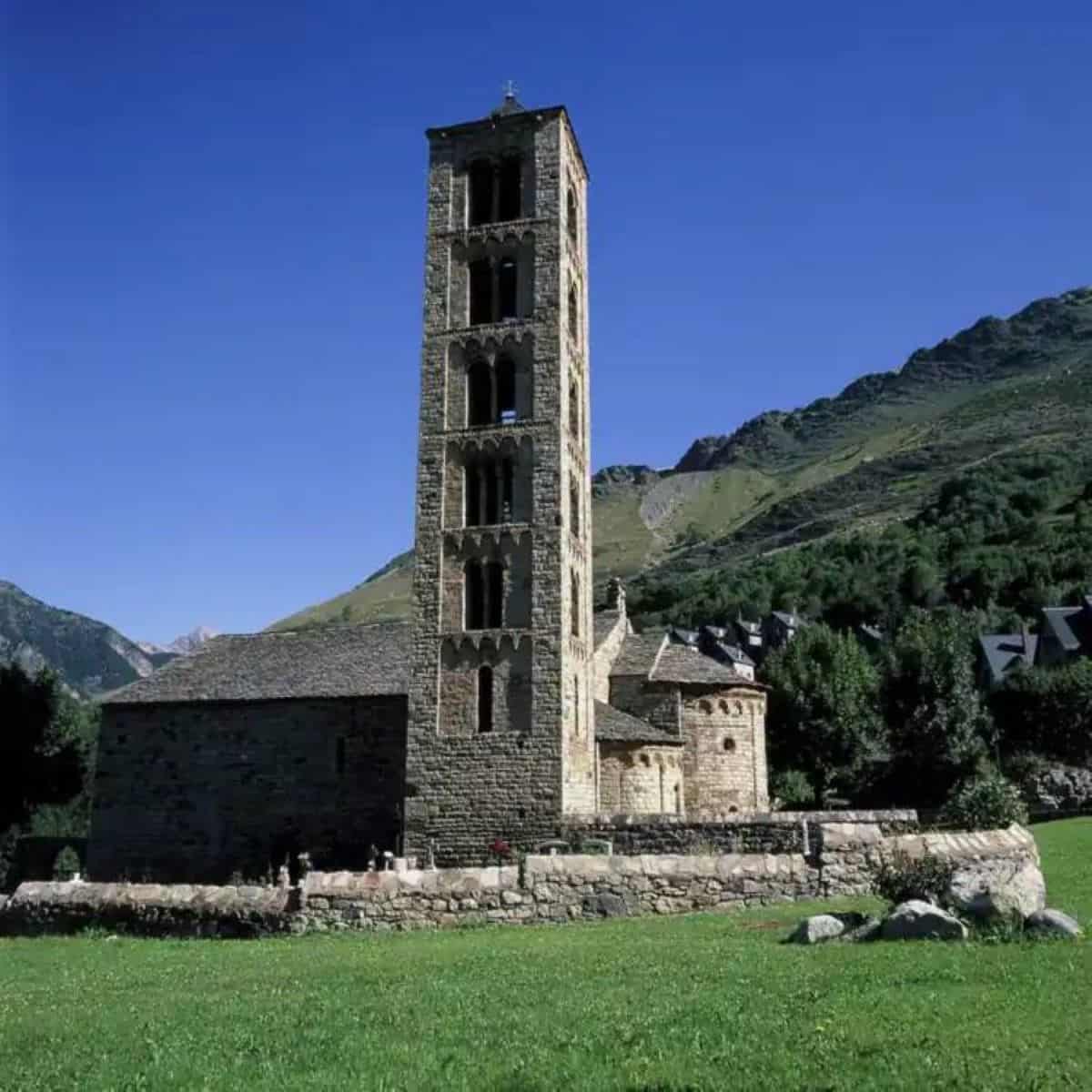
The Spanish Pyrenees are gaining attention as a rising slow travel destination, with the UK and Italy emerging alongside other European markets in exploring mountain landscapes, UNESCO heritage and nature tourism experiences. These areas – Taüll, Vall de Boí and Val d’Aran – offer authentic villages, adventure and sustainable tourism away from the usual spots. Spain’s emphasis on developing sustainable destinations illustrates how heritage, rural and nature tourism shift global tourism demand towards meaningful and responsible travel.
The Spanish Pyrenees slow travel destination model is gaining attention as Spain continues to diversify tourism beyond traditional coastal holidays and major cities. Regions such as Vall de Boí, Taüll and Val d’Aran are being positioned around nature tourism, cultural heritage, outdoor activities and sustainable mountain experiences. Spain’s tourism strategy supports destinations that encourage longer stays, responsible visitor management and regional development through initiatives linked with the Sustainable Tourism Strategy of Spain 2030 and Tourism Sustainability Plans funded through European recovery programmes.
Five key factors driving Spanish Pyrenees tourism growth:
| Tourism Element | Spanish Pyrenees Development |
|---|---|
| Main destination focus | Taüll, Vall de Boí and Val d’Aran |
| Tourism model | Slow travel, sustainable tourism and rural experiences |
| Key attractions | UNESCO churches, hiking routes, mountain villages and national parks |
| Main protected area | Aigüestortes i Estany de Sant Maurici National Park |
| Visitor appeal | Nature, culture, adventure and authentic local experiences |
The UK tourism market in Spain remains one of the country’s strongest international visitor sources, creating opportunities for emerging destinations such as the Spanish Pyrenees. British travellers are increasingly exploring experiences beyond Spain’s beaches, with growing interest in walking holidays, outdoor adventures, heritage routes and cooler summer destinations. The Spanish Pyrenees offer UK visitors an alternative travel experience through mountain villages, UNESCO-listed Romanesque architecture and protected natural landscapes. Government tourism strategies in Spain are increasingly supporting inland destinations to spread visitor demand and promote sustainable tourism growth across different regions.
Advertisement
Advertisement
Five attractions likely to appeal to UK travellers:
| UK Traveller Interest | Spanish Pyrenees Experience |
|---|---|
| Outdoor holidays | Mountain hiking and walking trails |
| Cultural tourism | Taüll’s UNESCO Romanesque churches |
| Nature travel | Lakes, forests and protected landscapes |
| Sustainable tourism | Low-impact village experiences |
| Longer stays | Multi-day mountain itineraries |
Italian travellers represent another important European market for Spain, with strong interest in cultural landscapes, historic villages and nature-based tourism. The Spanish Pyrenees share many characteristics with Italy’s mountain destinations, including medieval settlements, traditional architecture and outdoor recreation. Destinations such as Taüll and Aínsa provide Italian visitors with opportunities to explore heritage tourism combined with hiking, gastronomy and rural experiences. Spain’s tourism development approach increasingly focuses on improving cultural tourism products and strengthening lesser-known destinations through sustainable visitor experiences.
Five reasons Italian travellers may explore the Spanish Pyrenees:
| Italian Market Interest | Spanish Pyrenees Opportunity |
|---|---|
| Heritage tourism | Medieval towns such as Aínsa |
| Mountain holidays | Hiking and alpine landscapes |
| Cultural routes | UNESCO heritage sites |
| Food tourism | Local mountain cuisine |
| Nature travel | National parks and valleys |
The Netherlands is an important European tourism market for Spain, particularly for travellers seeking outdoor activities, cycling experiences and nature-based holidays. The Spanish Pyrenees match many interests of Dutch travellers through active tourism opportunities, including mountain cycling, hiking routes and environmentally responsible travel experiences. The region’s combination of natural landscapes and small villages supports the growing demand for slower journeys where visitors spend more time exploring local communities. Spain’s sustainable tourism policies are also encouraging destinations to improve infrastructure while protecting natural resources.
Five attractions for Dutch travellers:
| Dutch Traveller Preference | Spanish Pyrenees Attraction |
|---|---|
| Cycling tourism | Mountain biking routes |
| Nature holidays | National park landscapes |
| Family travel | Outdoor activities |
| Sustainable tourism | Protected mountain areas |
| Slow exploration | Village-to-village journeys |
Belgian visitors are increasingly interested in meaningful travel experiences that combine culture, nature and local identity. The Spanish Pyrenees provide Belgian travellers with a destination where heritage conservation and outdoor tourism come together. Villages such as Bagergue, Arties and Taüll offer traditional architecture, mountain scenery and regional food experiences. Through Spain’s sustainable tourism initiatives, rural destinations are being supported to improve visitor facilities while maintaining their environmental and cultural character. This approach strengthens the appeal of northern Spain as a destination for travellers seeking authentic alternatives to crowded tourism centres.
Five experiences attracting Belgian visitors:
| Belgian Traveller Interest | Destination Experience |
|---|---|
| Cultural discovery | Romanesque heritage sites |
| Nature tourism | Valleys and mountain trails |
| Authentic travel | Traditional villages |
| Relaxed holidays | Slow travel itineraries |
| Sustainable tourism | Responsible visitor experiences |
Spain’s tourism development strategy is increasingly focused on balancing visitor growth with sustainability, environmental protection and regional economic benefits. Mountain destinations such as Vall de Boí are supported through tourism sustainability programmes designed to improve accessibility, digital services, outdoor infrastructure and heritage protection. The approach aims to create tourism opportunities throughout the year instead of relying only on peak summer travel. The Spanish Pyrenees benefit from a combination of winter activities, summer hiking, cultural tourism and nature experiences that support a stronger four-season tourism economy.
Five government-backed tourism priorities:
| Development Area | Tourism Impact |
|---|---|
| Sustainability projects | Protect natural landscapes |
| Heritage investment | Improve cultural tourism |
| Infrastructure upgrades | Enhance visitor experience |
| Digital tourism | Better destination access |
| Rural development | Support local economies |
The Spanish Pyrenees are entering a new phase of tourism growth as the UK Align With Italy As Spanish Pyrenees Drive Slow Travel Growth Through UNESCO Heritage And Nature Tourism. Authentic, mountain getaways, sustainable journeys, and rural tourism are some of the reasons visitors are choosing these areas of Spain (Taüll, Vall de Boí and Val d’Aran) over others. Spain’s rural, picturesque villages with their UNESCO heritage sites, protected landscapes, and outdoor adventure opportunities provide a great opportunity for slow travel. Sanctions against travel to more popular spots are encouraging travel to more responsible spots.
Advertisement
Tags: Slow Travel Spain, Spain mountain tourism, Spanish Pyrenees tourism, sustainable tourism Spain, UNESCO Heritage Tourism
Advertisement
Advertisement













Monday, September 7, 2026

Monday, September 7, 2026
Monday, September 7, 2026

Monday, September 7, 2026

Monday, September 7, 2026

Monday, September 7, 2026