
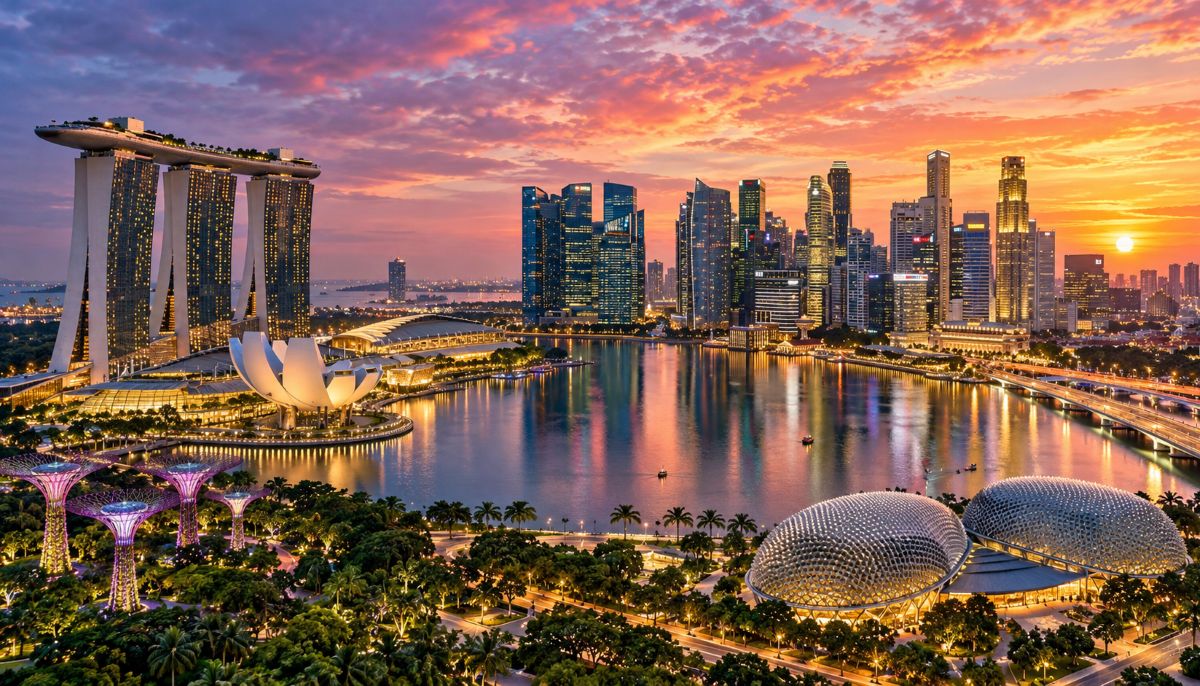
Image generated with Ai
Myriad commuters sit in the early morning Malaysian and Singaporean air waiting for cars crawling across the Johor-Bahru Causeway. With an unreliable idea on how fuel prices will be determined, commuters speculate on the price their tickets will cost. The price increase of bus tickets extends beyond the economic indicator and an entry in the accounting books. The increase in bus fair price can mean the difference for providing a parent the opportunity to see their child or for that parent to see their child. It can mean delays for families preparing to take a weekend trip to visit family. It can mean delays for families preparing to take day trips to visit family. We all are frustrated seeing families waiting on the borders of neighboring countries unable to visit their loved ones due to the fluctuations of the international market.
How Does The Public Transport Council Protect Domestic Commuters In Singapore From Global Energy Volatility?
The Public Transport Council mitigates the impact of global energy shocks on domestic commuters by regulating fare adjustments through a structured statutory formula during annual review exercises. This mechanism ensures that temporary spikes in global crude oil and refined diesel prices do not automatically lead to immediate fare hikes for internal bus and train journeys across Singapore.
Within this regulatory framework, energy indices carry a relatively small weight compared to broader economic factors like wage growth and core inflation. Furthermore, under the Land Transport Authority’s Bus Contracting Model, the state pays operators fixed service fees while absorbing revenue risks, using targeted public subsidies to maintain stable domestic public transport costs.
Advertisement
Why Do Cross-Border Express Coaches From Singapore To Malaysia React Instantly To Diesel Subsidy Rationalisations?
Long-distance express coaches running from Singapore terminals like Woodlands and Golden Mile Tower into Malaysia operate as purely commercial enterprises without government fare protection. Because fuel expenses represent roughly one-third of an express coach’s total operating overhead, any major increase in diesel prices directly impacts profitability.
When regional fuel subsidy policies are adjusted and market-based diesel pricing takes effect, commercial fleet operators must absorb substantially higher pump prices overnight. To prevent heavy financial losses, cross-border bus companies rapidly update their pricing models by raising base fares or adding temporary fuel surcharges for journeys heading toward Johor Bahru, Kuala Lumpur, and Malacca.
How Do Rapid Fare Adjustments Impact Tourism And Regional Connectivity Between Singapore And Malaysia?
Advertisement
Advertisement
Surging cross-border coach fares create noticeable economic friction across the interconnected tourism and hospitality sectors of Singapore and Peninsular Malaysia. As ticket prices rise, budget-conscious leisure travellers and tour operators face higher overall expenses for multi-city travel itineraries.
Travel agencies offering group packages along popular routes to Malacca or Penang must account for increased transport surcharges, which can reduce the frequency of short weekend trips. This shift in travel spending affects regional hotels, retail outlets, and restaurants that rely heavily on steady streams of cross-border visitors.
What Role Do Taxis And Point-To-Point Operators In Singapore Play During Major Fuel Crises?
Point-to-Point transport services, including traditional street taxis and private hire ride-hailing platforms across Singapore, adjust to rising fuel costs far more quickly than statutory public bus networks. When fuel pump prices escalate sharply, driver margins are squeezed immediately.
To support driver earnings during energy shocks, ride-hailing companies and taxi operators frequently introduce temporary distance-based surcharges or adjust dynamic pricing algorithms. While this flexible approach ensures vehicle availability across Singapore, it transfers real-time fuel market volatility directly onto daily passengers.
How Do Rising Daily Commuter Volumes Between Woodlands and Johor Bahru Expose Commercial Coach Line Profit Margins to Fuel Volatility?
The land checkpoints linking Singapore and Malaysia represent one of the busiest cross-border transit corridors globally. Over 350,000 to 400,000 individual passenger crossings occur every day across the Woodlands Causeway and the Tuas Second Link. This massive movement relies heavily on commercial express buses, regional shuttle services, and private fleet networks. However, maintaining high-frequency service across these routes involves significant financial risks for fleet operators.
For commercial express bus companies, fuel costs account for 30% to 40% of overall operating expenditures. When global fuel markets fluctuate, operators face immediate pressure on their bottom lines. This vulnerability became clear following the implementation of floating market pricing for diesel in Peninsular Malaysia. The transition from a subsidized base of RM2.15 per litre to market rates near RM3.35 per litre caused a sudden rise in operating expenses. To protect their profit margins, operators running services out of major regional terminals—such as Larkin Sentral in Johor, Terminal Bersepadu Selatan (TBS) in Kuala Lumpur, and main hubs in Malacca—were forced to increase ticket prices by 15% to 30%. While these fare adjustments help offset fuel expenditures, they place a direct financial burden on daily commuters who depend on affordable cross-border transport.
What Is the True Financial Cost to the Singapore Government in Keeping Island-Wide Transit Fares Sheltered from Global Oil Market Crashes?
Singapore uses an institutional funding structure to protect domestic public transport users from extreme swings in global energy prices. While private cross-border services must pass operational costs on to passengers, internal bus and rail networks operate under state-funded financial mechanisms. To keep public transit affordable and reliable, the Singapore Government provides more than S$2 billion annually in direct operational subsidies.
Under the Bus Contracting Model (BCM), the Land Transport Authority (LTA) owns the transit infrastructure and collects passenger fare revenue. The government then pays operators fixed contract fees across 14 distinct bus packages to run scheduled services. Because fixed operational payments routinely exceed fare collections, the network generates net public transport revenue shortfalls of over S$1 billion each year.
Furthermore, the Public Transport Council (PTC) manages fare adjustments through systematic annual reviews. When formula calculations indicate a required double-digit fare increase—such as historical deferred quantums ranging from 9.4% to 12.9%—the state absorbs the difference using targeted fund top-ups exceeding S$200 million. By covering these deferred quantums, the government ensures that annual ticket price adjustments for commuters remain under 5.0%, preventing energy price spikes from hitting household budgets.
How Are Cross-Border Tourism Revenues Across Johor, Malacca, and Penang Collaterally Impacted by Express Coach Fuel Surcharges?
Rising fuel costs for express coaches create financial effects that extend well beyond the transportation sector, impacting regional tourism, retail, and hospitality across Malaysia. When long-distance operators running routes from Singapore departure points like Boon Lay and Golden Mile adjust to higher diesel prices, they often apply dynamic fuel surcharges. Consequently, group travel agency packages face price increases between 12% and 25% for trips heading to destinations such as Malacca City and Penang.
These rising travel expenses alter tourist behavior, particularly among budget-conscious day-trippers and weekend visitors. Retail hubs and hotel operators in Johor Bahru frequently experience shifts in visitor traffic, with dynamic transit costs driving a 10% to 15% decline in casual cross-border trips during price surges.
Small-scale tour companies and private charter operators face even tighter constraints. Because many private tour itineraries are booked and priced months in advance, charter businesses cannot easily add unexpected surcharges to existing customer agreements. When fuel prices spike unexpectedly, these charter operators must absorb the added fuel costs themselves, compressing their net profit margins by 20% to 30%.
Will the Completion of the Johor Bahru–Singapore RTS Link Permanently Neutralise Bus Operators’ Fuel Surcharge Models?
The dominance of traditional highway coach lines across the Malaysia–Singapore border faces structural changes with the development of high-capacity rail infrastructure. The Johor Bahru–Singapore Rapid Transit System (RTS) Link is designed to provide a direct, high-frequency rail connection between Woodlands North in Singapore and Bukit Chagar in Johor Bahru.
Once operational, the RTS Link will carry up to 10,000 passengers per hour per direction, with an estimated daily ridership of 40,000 commuters. This shift toward mass rapid transit will significantly alter cross-border travel patterns, drawing a large portion of passengers away from road-based bus routes.
Additionally, legacy transport options, including the KTMB Shuttle Tebrau rail service, are scheduled to be phased out as modern cross-border links come online. Transitioning cross-border transit to an electrified passenger rail network reduces exposure to retail diesel price swings. For traditional bus lines, the arrival of a high-capacity rail alternative limits their ability to apply flexible fuel surcharges, as higher bus fares will simply drive commuters toward rail transit.
Why Do On-Demand Private Hire Vehicles and Taxis Adjust Passenger Fares Much Faster Than Fixed-Route Buses During Crude Oil Spikes?
The speed at which transit fares react to energy market fluctuations varies significantly depending on the service structure. Scheduled public buses operate under fixed multi-year government contracts, but point-to-point (P2P) services including ride-hailing platforms and traditional taxis use dynamic pricing models that react quickly to fuel price changes.
During global energy spikes, ride-hailing platforms like Grab and taxicab operators like ComfortDelGro typically introduce temporary fuel surcharges ranging from S
Image generated with Ai
0.80 per trip. In addition to per-trip fees, algorithmic pricing engines apply micro-adjustments of 1 cent to 3 cents per 400 metres on distance-based tariffs. These automated adjustments help offset rising fuel costs for drivers in real time.This quick price response stems from the underlying cost structure of the private-hire sector. Unlike public bus drivers who earn fixed salaries from contracted operators, private-hire and taxi drivers cover their own fuel expenses at the pump. If fares do not rise alongside fuel prices, driver earnings drop sharply, leading to reduced vehicle availability. Dynamic surcharges protect driver income and maintain active vehicle numbers during periods of high oil prices.
How Do Policy Exclusions in the Subsidised Diesel Control System (SKDS) Force Commercial Express Bus Operators to Raise Base Fares?
Regional fuel policies create stark operating differences between domestic public transit fleets and commercial cross-border coach operations. Malaysia manages fuel costs through the Subsidised Diesel Control System (Sistem Kenderaan Dawai Subsidise or SKDS), which provides fleet cards to qualified transport providers. Under this system, essential domestic public transit vehicles buy diesel at subsidized prices, such as RM2.05 per litre. However, cross-border commercial express buses and private tour operators are excluded from these subsidy allocations.
When fuel prices float according to market conditions, commercial operators that do not qualify for SKDS experience an immediate 30% to 40% rise in raw fuel expenditures. Managing these higher costs is complicated by domestic fare regulations, as Malaysia caps internal economy express bus fares at 9.3 sen per passenger-kilometre.
Because regulated fare caps prevent operators from raising standard ticket prices on basic routes, cross-border bus companies adapt by reclassifying their services. To maintain profitability without violating price caps, operators invest in executive-class coaches, premium seating, and custom amenities, allowing them to charge higher market-based fares and apply fuel surcharges legally.
How Do Diesel Price Spikes on Heavy Goods Vehicles (HGVs) Drive Up Supply Chain Costs and Cross-Border Cargo Tariffs Between Johor and Singapore Terminals?
Commercial logistics routes between Peninsular Malaysia and Singapore serve as vital economic lifelines, maintaining constant movement of essential goods across the border. Every day, between 3,000 and 4,000 heavy freight trucks journey across the Woodlands Causeway and Tuas Second Link. These heavy goods vehicles transport over 70% of Singapore’s fresh produce, agricultural items, and time-sensitive perishable inventory directly from Malaysian supply points.
When floating diesel prices shift upward, cross-border haulage firms face immediate cost pressures across their operational fleets. To manage these expenses, freight operators implement variable Bunker Adjustment Factors alongside dedicated logistics fuel surcharges, increasing shipping fees by 8% to 15% per consignment. These transportation adjustments flow directly into wholesale pricing structures; for instance, a 20% jump in commercial truck fuel costs generates a 3% to 5% price increase on imported agricultural produce at key distribution centers, including the Pasir Panjang Wholesale Centre.
Can the Electrification of Regional Bus Fleets Permanently Break the Link Between Global Diesel Volatility and Commuter Ticket Surcharges?
Transitioning transit networks toward electric vehicle fleets offers a strategic path to cushion passenger transportation from unpredictable international oil price movements. The Land Transport Authority in Singapore has set clear sustainability milestones, aiming for a 100% cleaner-energy public bus fleet by 2040. Under this long-term framework, fully electric models are projected to account for 50% of the domestic public bus fleet—representing roughly 3,000 vehicles—by 2030.
However, replacing internal combustion fleets involves substantial upfront capital commitments. High-capacity electric long-haul buses currently require a 40% to 60% higher initial purchasing outlay compared to traditional Euro VI diesel buses, alongside major capital investments in specialized depot charging infrastructure. Despite these initial expenditures, electric fleets achieve a 30% to 45% reduction in raw energy operating costs per kilometer once fully deployed, insulating bus line operations from global diesel shocks over time.
How Do Jet Fuel Surcharges and Airfare Volatility Between Changi and Kuala Lumpur International Airport Shift Travelers Back to Highway Express Buses?
The short-haul travel corridor connecting Singapore Changi Airport and Kuala Lumpur International Airport ranks among the most heavily traveled international air routes globally, moving millions of passengers each year. When crude oil prices escalate, airlines operating along this corridor rapidly raise flight prices by applying variable jet fuel surcharges.
During global energy spikes, per-sector aviation fuel surcharges on short flights rise by S
Image generated with Ai
55 per passenger. In contrast, commercial highway express coaches typically introduce more moderate per-seat surcharges ranging from SImage generated with Ai
12. When overall airfares jump by 30%, demand for executive-class express coaches departing from major Singapore hubs like Golden Mile or Jurong East toward Terminal Bersepadu Selatan in Kuala Lumpur increases by 12% to 18%, as price-sensitive travelers choose highway coaches to manage travel costs.The Final Verdict
From the Causeway’s observation deck, you can watch the endless stream of cars take their journey back home. You always see the red lights from their engines. There is more to transport than just the size of the engines and policies. There is a human side to transportation. It is the dad from Johor Bahru, the student from KL, the elderly couple who depart to Malacca to visit their friends. Market changes and fluctuations in energy affect people and budgets that are not flexible. The Government’s programs and safety nets do not mitigate much of the cost increase of diesel in Singapore. The rest is on the open market. When the cost of fuel increases, so does the decision for families to not travel and stay home and skip the weekend vacation. The fluctuations in fuel prices may be a financial burden to an individual, but it is more about the distance that we need to travel to reach our loved ones.
Frequently Asked Questions
Why don’t public bus fares in Singapore rise immediately when diesel prices surge globally? Public bus fares inside Singapore are governed by the Public Transport Council using a statutory formula where the Energy Index carries only a 10% weight. Additionally, under the Land Transport Authority’s Bus Contracting Model, the government absorbs operator cost risks through public subsidies.
Why are cross-border express buses to Malaysia hit so hard by fuel price changes? Cross-border express coaches operate in a deregulated market without public subsidies. Because fuel accounts for 30% to 40% of their operational costs, any loss of fuel subsidies or increase in diesel prices forces operators to raise fares by 15% to 30% to avoid operating at a loss.
How do higher express coach fares impact tourism between Singapore and Malaysia? Higher coach fares increase travel expenses for cross-border tours and leisure trips. This shift often leads to fewer short weekend trips and lower overall spending across regional retail, hotel, and dining sectors in popular destinations like Johor Bahru, Malacca, and Kuala Lumpur.
Advertisement
Tags: Asia, Singapore, Tourism Trends, Travel News
Advertisement
Advertisement













Monday, September 7, 2026
Monday, September 7, 2026

Monday, September 7, 2026

Monday, September 7, 2026

Monday, September 7, 2026
Monday, September 7, 2026

Monday, September 7, 2026